Not a typical request? No problem.
Get in touch

UX reviewed, UI redesigned, interfaces refreshed — all to make things easier for users and better for business.
Need to test an idea fast, without going all in?
Expect a streamlined, functional UX/UI in no time.
Visitors getting lost and dropping off?
Time to adjust user navigation logic.
Afraid a redesign could do more harm than good?
The update will be careful — what works stays untouched.
No one to take care of UX/UI design?
From UX research to clean UI mockups — we’ve got it covered.
We focus on what matters: user behavior, thoughtful structure, and data-driven improvements. Design that is measured, then proven to work.
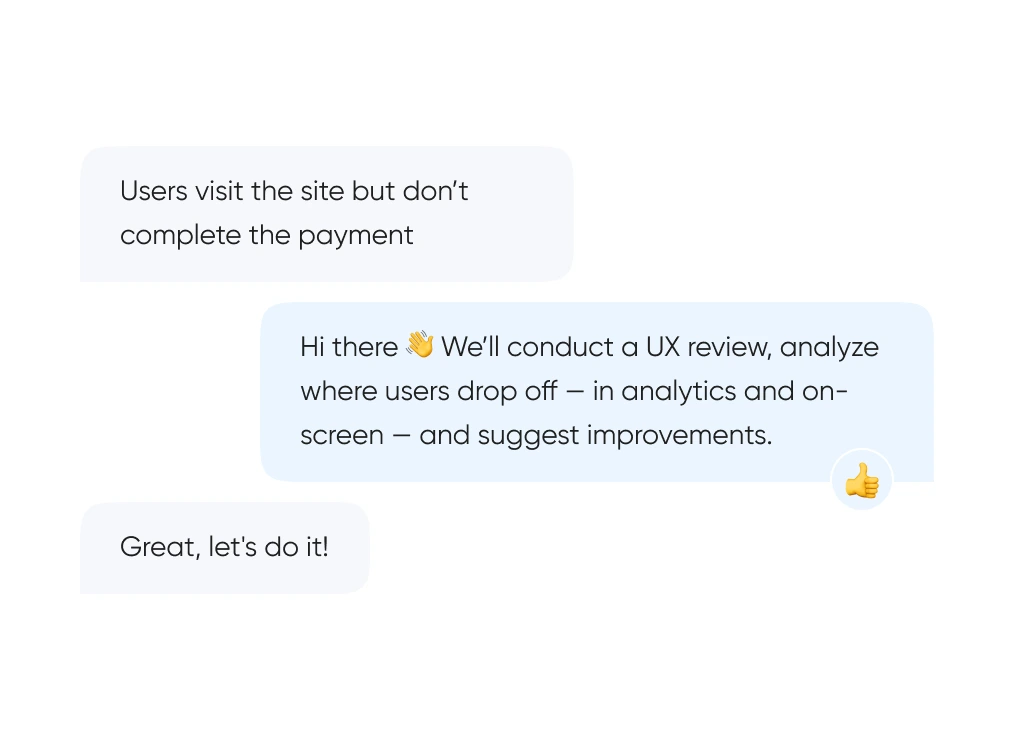
We start with real behavior: run UX reviews, analyze the full funnel, and identify exactly where and when users drop off.
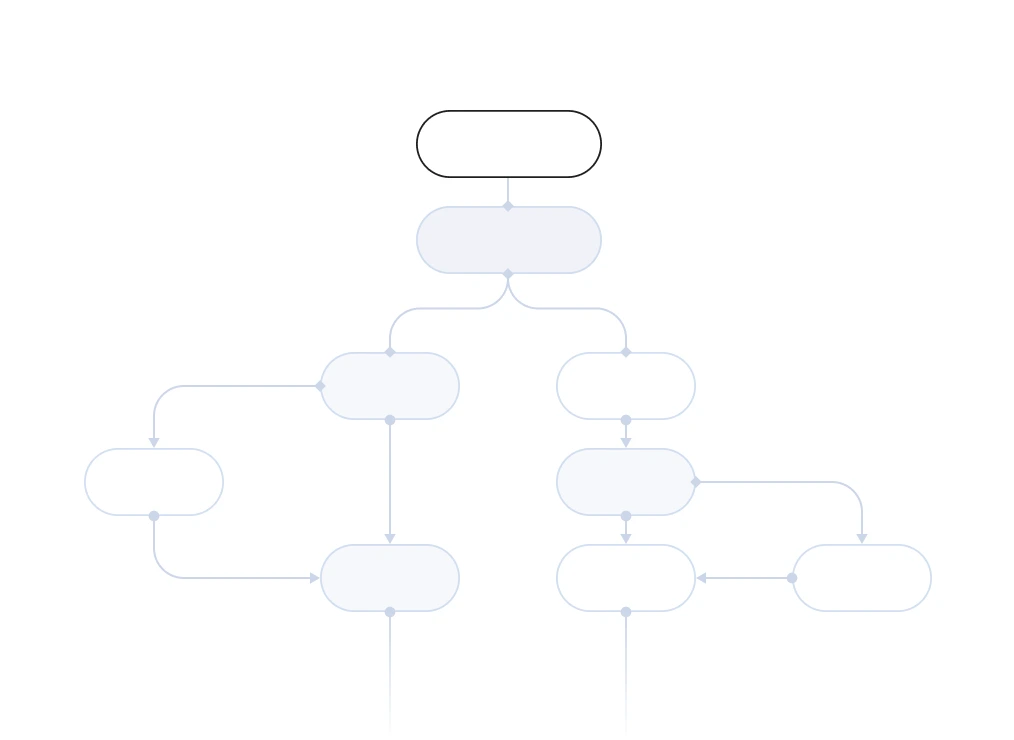
We build out logic and structure — from user flows and prototypes to final layouts. Everything gets tested before it ever reaches code.
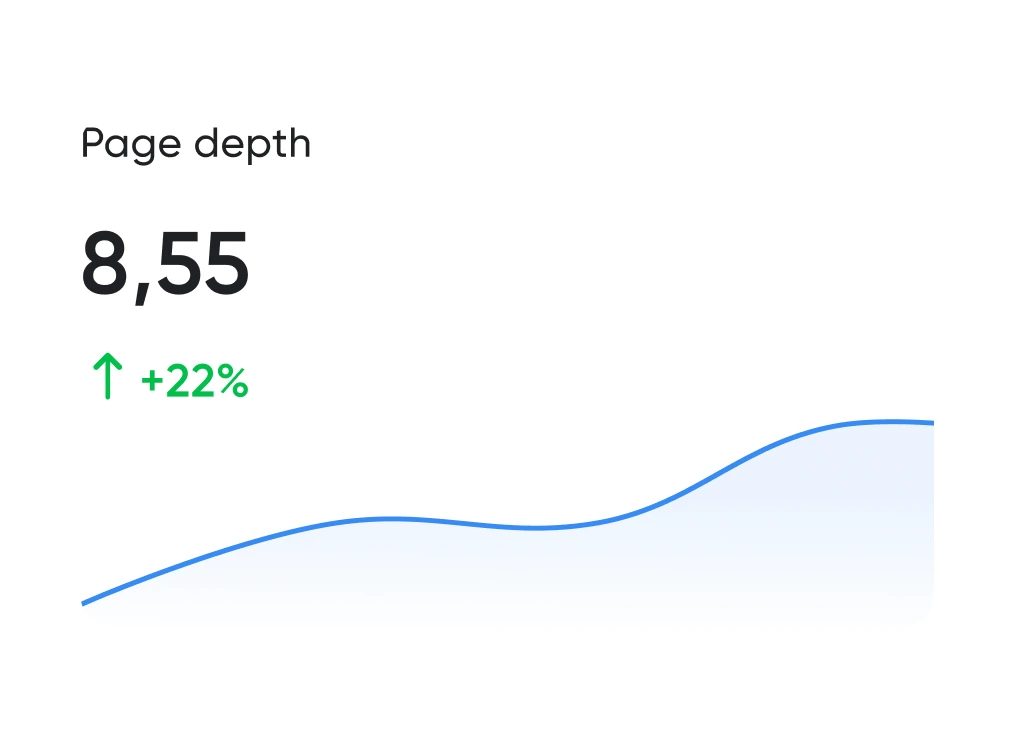
Looking good is the easy half. The work is working well. We track the numbers: time to complete key actions, scroll depth, conversion rate. All measurable.
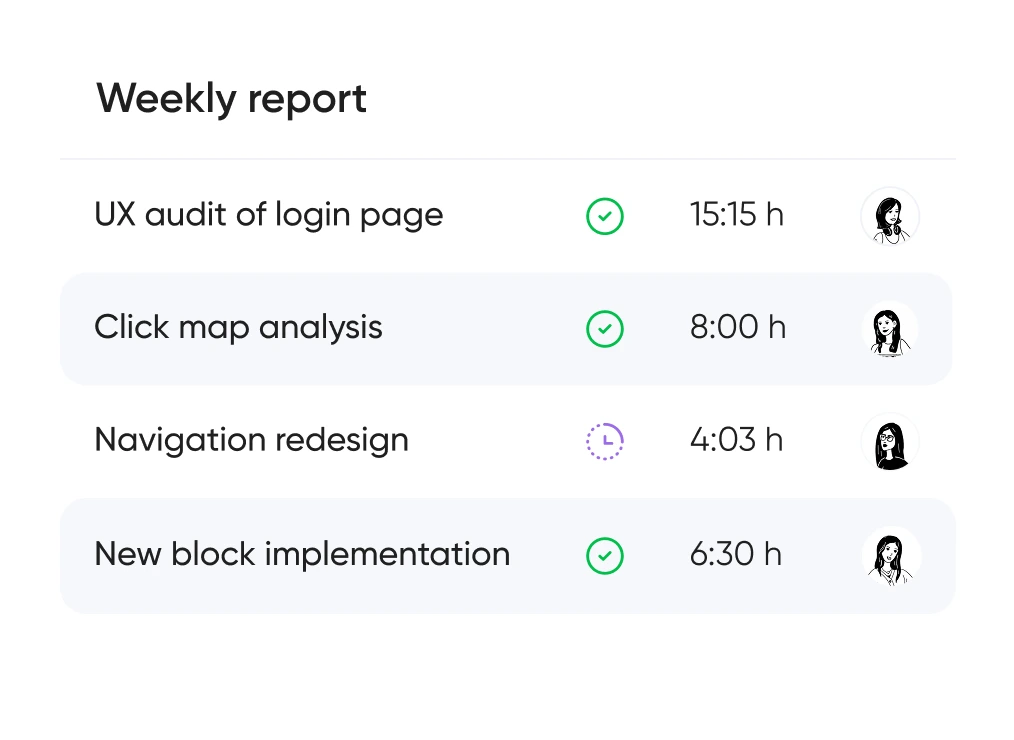
You always know which hypotheses we’re testing, what we’re improving — and why. No design for design’s sake — only what brings real business value.


Support for launching, refreshing, or rethinking an interface — at the right pace
and tailored to your product and business goals.
Pricing is tailored to each project — based on its stage, scope, and business objectives.
We use only the tools that help us create intuitive, responsive, and scalable interfaces.
UX/UI design for ecommerce, fintech, edtech, and more.
Didn’t find what you were looking for? Drop us a line at info@toimi.pro.
Cost depends on the number of screens, interaction complexity, research depth, and whether the engagement includes prototyping and usability testing — no flat rate applies. A UX/UI design project for a life sciences manufacturer in Pearland's Lower Kirby District building a global partner portal involves different scope than an interface redesign for a local professional services website near Shadow Creek Town Center. Exact pricing is discussed individually after reviewing your project brief.
A focused UX/UI engagement for a defined set of screens typically takes 4 to 8 weeks. A full product design project covering research, information architecture, wireframes, and high-fidelity UI across multiple user flows takes 10 to 16 weeks depending on complexity and stakeholder review cycles. Pearland businesses in healthcare and life sciences often have compliance and accessibility requirements that add definition work before visual design begins — we factor those into the timeline from the discovery phase rather than discovering them as constraints mid-project.
Life sciences and biotech companies in the Lower Kirby District building partner-facing research and procurement platforms, healthcare providers serving Pearland's rapidly growing population developing patient portals and appointment systems, energy and manufacturing firms along State Highway 288 creating contractor management and field operations tools, and retail businesses near Pearland Town Center expanding their digital presence are the most frequent clients. In a Greater Houston metro market where users compare digital experiences across multiple providers before making a decision, an interface that is confusing or visually dated loses clients and partners before a single conversation occurs.
A complete UX/UI project covers user research and persona definition, information architecture, user flow mapping, wireframes, interactive prototypes, high-fidelity visual design, a component library, and developer handover documentation. For Pearland businesses building platforms that serve both English and Spanish-speaking users across Brazoria County's diverse demographic, bilingual interface design — layout, text expansion, culturally appropriate visual conventions — is addressed at the wireframe stage rather than retrofitted at the end of the visual design phase when changes are significantly more expensive.
Industrial and B2B platforms in Pearland — partner portals for Lower Kirby District manufacturers, contractor management tools for energy firms, research procurement platforms for life sciences companies — are used by people under operational pressure who cannot afford to misread an interface. We begin with contextual research: understanding how users actually work, what decisions the interface needs to support, and what errors are most costly in your specific operational context. For Pearland companies where a data input error can affect a physical manufacturing or research process, UX decisions are grounded in operational reality rather than aesthetic convention.
We design for the device mix your actual users rely on — identified during the research phase rather than assumed from generic statistics. For Pearland businesses in retail and consumer services, mobile-first design reflects how Greater Houston metro customers browse and transact. For life sciences and manufacturing platforms in the Lower Kirby District used primarily on desktop in operational environments, we optimize for larger screens without sacrificing mobile usability for managers and executives accessing the platform remotely. Every design is tested across the relevant device range before handover.
You work with a dedicated UX researcher, UI designer, and project manager throughout the engagement. We use structured stages — research, information architecture, wireframes, visual design, prototype, handover — with documented approval checkpoints at each phase. For Pearland clients with product, operations, and executive stakeholders all involved in design reviews — common in life sciences and manufacturing organizations — we run consolidated feedback sessions so input is gathered and resolved efficiently rather than cycling through individual opinions without a clear decision framework guiding the design process forward.
You receive a complete design package: all screen designs in Figma, an interactive prototype, a component library, design tokens, and developer handover documentation covering spacing, typography, color, and interaction specifications. For Pearland businesses moving directly into development after the design phase — whether with Toimi or another team — the handover package is structured so any qualified development team can build from it without interpretation gaps or additional design clarification sessions before coding begins.


