Not a typical request? No problem.
Get in touch

UX reviewed, UI redesigned, interfaces refreshed — all to make things easier for users and better for business.
Need to test an idea fast, without going all in?
Expect a streamlined, functional UX/UI in no time.
Visitors getting lost and dropping off?
Time to adjust user navigation logic.
Afraid a redesign could do more harm than good?
The update will be careful — what works stays untouched.
No one to take care of UX/UI design?
From UX research to clean UI mockups — we’ve got it covered.
We focus on what matters: user behavior, thoughtful structure, and data-driven improvements. Design that is measured, then proven to work.
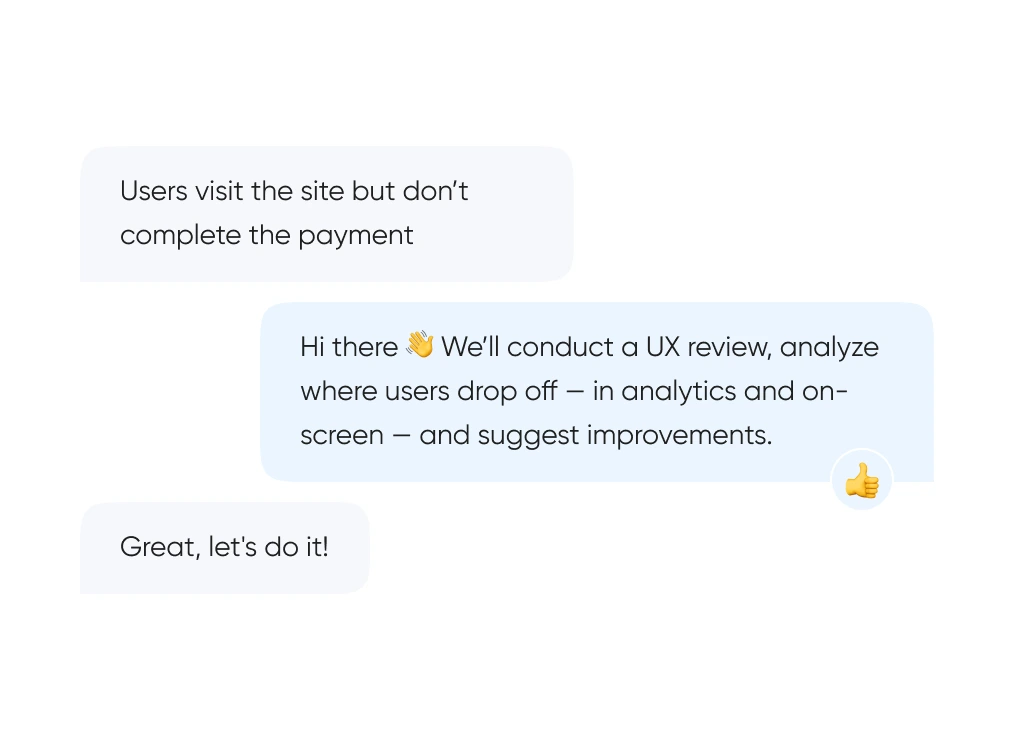
We start with real behavior: run UX reviews, analyze the full funnel, and identify exactly where and when users drop off.
We build out logic and structure — from user flows and prototypes to final layouts. Everything gets tested before it ever reaches code.
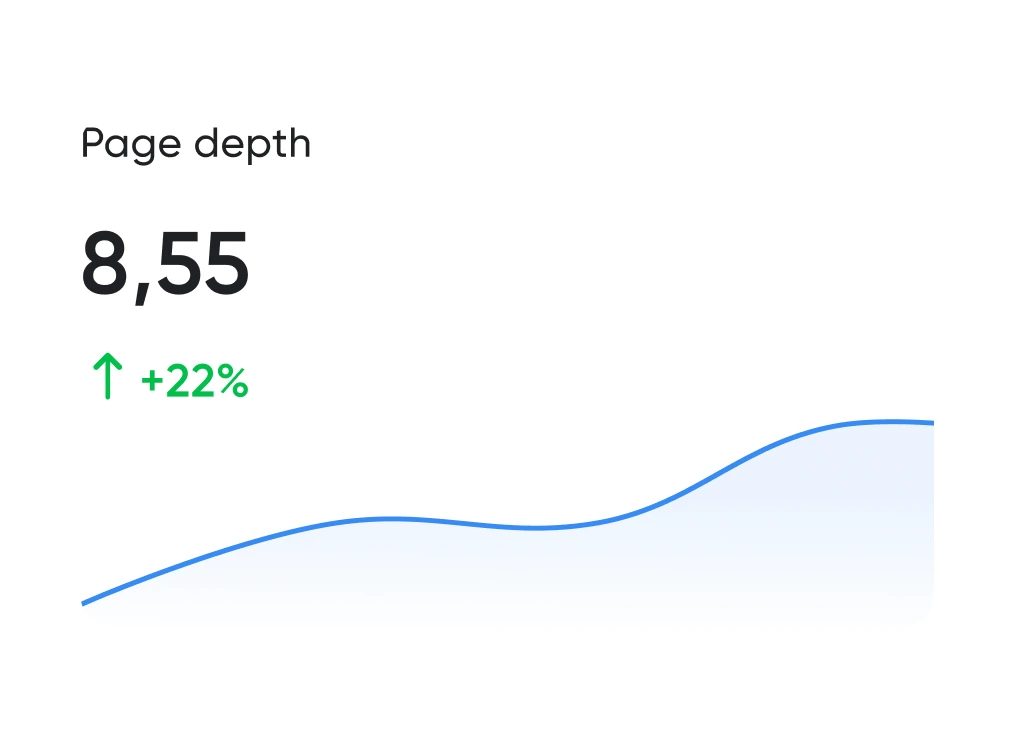
Looking good is the easy half. The work is working well. We track the numbers: time to complete key actions, scroll depth, conversion rate. All measurable.
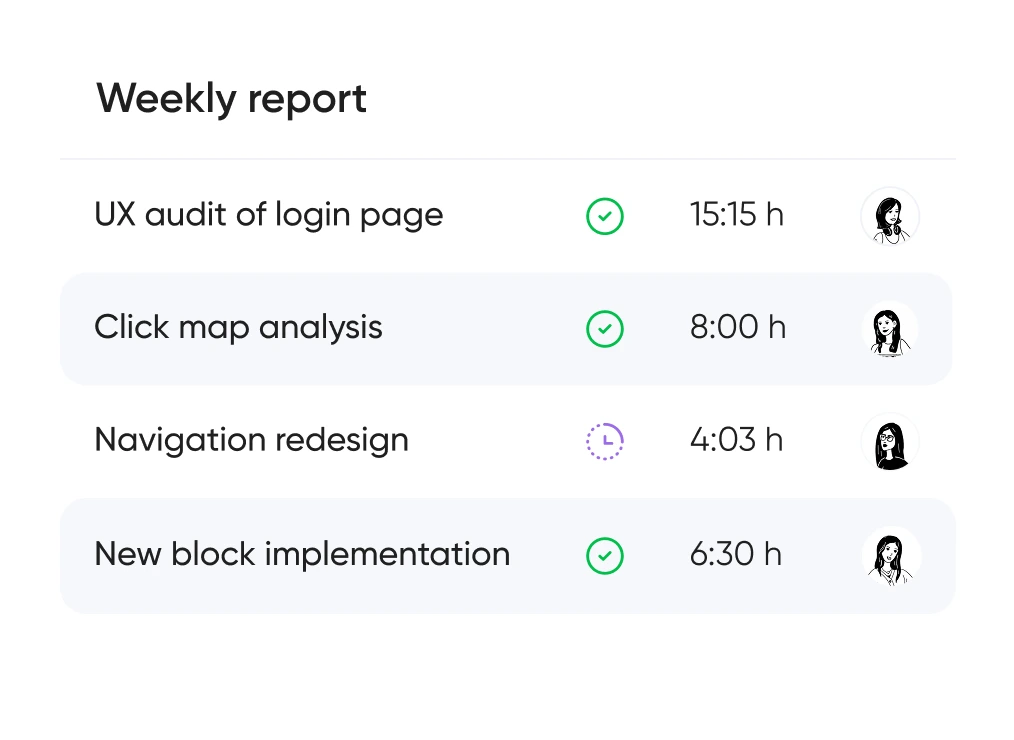
You always know which hypotheses we’re testing, what we’re improving — and why. No design for design’s sake — only what brings real business value.


Support for launching, refreshing, or rethinking an interface — at the right pace
and tailored to your product and business goals.
Pricing is tailored to each project — based on its stage, scope, and business objectives.
We use only the tools that help us create intuitive, responsive, and scalable interfaces.
UX/UI design for ecommerce, fintech, edtech, and more.
Didn’t find what you were looking for? Drop us a line at info@toimi.pro.
The cost depends on the scope — a single landing page for a San Jose startup differs significantly from a full multi-section corporate site or a product interface for a SaaS company competing in Downtown San Jose's dense tech corridor alongside Adobe, Zoom, and Cisco. UX research, wireframing, prototyping, and visual design are each distinct layers of work, and not every project requires all of them at the same depth. We define scope and cost after an initial discovery session covering your business goals, target audience, and existing digital presence — no figures before that conversation.
A focused marketing site or landing page can be designed and delivered in four to eight weeks. A comprehensive UX/UI project covering user research, wireframes, prototypes, and full visual design for a product platform or enterprise site takes eight to sixteen weeks. San Jose companies with hard deadlines tied to fundraising presentations, product launches, or major conference appearances at the San Jose Convention Center should share those milestones from the first conversation so timeline can be factored into project planning.
A complete UX/UI project covers discovery and user research to understand the audiences your product or site serves in San Jose's diverse tech and consumer market, information architecture defining how content and features are organized, wireframes establishing structure and user flows, interactive prototypes for stakeholder review and user testing, visual design applying your brand to the interface, and a component library or design system ensuring consistency across all screens and states. Front-end development handoff documentation is included to ensure the design translates accurately to code.
San Jose's user base — concentrated in technology professionals, enterprise buyers, and digitally sophisticated consumers — evaluates interface quality with unusually high standards. Products and platforms that would be acceptable in other markets are compared directly against the design quality of Google, Apple, Adobe, and other Silicon Valley product companies whose interfaces set the benchmark users carry into every digital interaction. For San Jose B2B platforms competing for enterprise buyers and technical users, interface quality is read as a direct signal of product quality and organizational competence.
User research is a standard component of UX/UI projects where the audience and their needs are not already well-understood. For San Jose projects, research may include user interviews with representatives of your target audiences in the local tech ecosystem, usability testing with prototypes, competitive interface analysis of the products your users compare you to, and behavioral analytics review if the site or product is already live. San Jose's concentration of experienced product users means that assumptions about user behavior that hold in other markets often don't apply — research grounds design decisions in actual San Jose user needs rather than generic best practices.
Yes — many San Jose technology companies serve both consumer and enterprise audiences with the same or related products, requiring UX/UI that works across very different user profiles, device contexts, and complexity expectations. We develop design systems flexible enough to serve multiple audience segments without fragmenting the interface into inconsistent experiences. For San Jose companies where the consumer product is also evaluated by enterprise buyers — a common scenario in Silicon Valley's prosumer and enterprise tech overlap — we design interfaces that communicate sophistication and reliability to both audiences simultaneously.
Design systems — component libraries, style guides, and documentation that ensure consistent UI implementation across product teams — are a standard deliverable for San Jose product companies with ongoing development teams. A well-documented design system reduces the time and cost of new feature development, ensures visual consistency as the product grows, and enables design and engineering teams to work in parallel more efficiently. We build design systems in Figma with detailed component specs, usage guidelines, and accessibility documentation so San Jose engineering teams can implement designs accurately without repeated design clarification.
Mobile UX/UI design — for native iOS and Android apps, responsive web experiences, and progressive web apps — is fully integrated into our UX/UI practice. San Jose technology companies increasingly require designs that work across device contexts as enterprise buyers, field teams, and consumers access products from phones and tablets in addition to desktop environments. We design mobile experiences from research through to detailed specs, accounting for the specific interaction patterns, navigation conventions, and accessibility requirements of each mobile platform rather than simply adapting desktop designs to smaller screens.


