Not finding the exact service you need?
Get in touch

We dig into your site’s structure, content, and backlinks to uncover hidden blockers and turn them into ranking power.
Publishing content but not getting visits?
We align pages with real user intent.
Building links that don’t help?
We focus on authority sources that pass real value.
Traffic is coming but not converting?
We optimize landing pages for leads and sales.
Need results in Google
and Yandex?
We tailor strategies for both search engines.
Logistics, freight and port-adjacent companies are searched for differently from a shop. Nobody types the city name and hopes. They search for a service, a lane, a commodity or a compliance term, and the city appears only when it matters to the job. Optimising such a site around city phrases wins rankings for queries that never convert.
So the keyword work starts with the vocabulary of the trade. Equipment types, service classes, terminal and corridor names, the paperwork customers ask about. These phrases have lower volume and far higher intent than the generic city term everyone competes for. A page written for one of them can rank without fighting the whole market.
Service-area content follows the same logic. What matters is the range actually served and the constraints on it, described the way a dispatcher would describe them. A list of forty nearby towns adds pages and subtracts credibility. A clear statement of where the work goes and where it does not answers the question a real enquiry starts with.
The measurement changes too. Rankings on broad terms make a poor report here because the traffic they bring is the wrong traffic. What is worth watching is which queries produce enquiries, which pages those enquiries start on, and whether the phrases the business actually earns money from are the ones the site is written for.
Technical scope follows the same reasoning. Sites in this trade often carry rate tables, equipment lists and tracking tools, and those pages are where crawl problems hide: parameters, duplicate listings, thin pages generated per item. Cleaning that up earns more than any content addition, because it decides whether the useful pages are reachable at all.
A site with a long publishing history usually has several pages aimed at the same intent. They were written years apart, by different people, each without knowing the others existed. Search engines then have to choose, and the choice is often unstable.
The symptom is recognisable. One query, and the address that ranks for it changes from week to week. Neither page holds a strong position. Both collect a fraction of the links and attention that one page would have held.
Diagnosis is straightforward and worth doing carefully. Group queries by the page that ranks, look for queries where the ranking address alternates, and read those pages side by side. Sometimes they are genuinely different and the overlap is superficial. Sometimes they say the same thing twice.
Where they duplicate, consolidation beats deletion. The stronger page absorbs whatever the weaker one did better, and the weaker address redirects to it. Both halves matter: a redirect without the merge loses the content that was working.
Where the pages are genuinely distinct but read similarly, the fix is editorial rather than structural. Sharpen each one toward its own question, and link them to each other with anchor text that names the difference. That tells a reader and a crawler which is which.
Internal links deserve a pass at the same time. If most internal links point at the weaker page, the site itself is casting the deciding vote for the wrong address.
This work has a rhythm rather than an end. New content will create new overlaps, so a review once or twice a year is more useful than a single cleanup that decays.
SEO services in Long Beach start, for us, with measurement: we connect search traffic to enquiries and revenue, then fix and build the site around what pays. Basic tracking of visits and conversions is about $300. Deeper funnel analytics is near $1,000. SEO with CRM-linked business analytics is around $1,500. Quick fixes take two to four weeks.
Most sites count form submissions and stop there. A form fill is a promise of a lead. Some are spam. Some are job seekers. One might be the deal of the year. Reporting them as one number hides what search is worth.
The chain has four links. The visit arrives with a source. The form or the call captures it. The CRM stores it on the lead. When the deal closes, the stage and the amount are recorded against that lead. Break any link and the organic channel becomes a guess.
Capture happens in hidden form fields. They take the landing page, the source and the first-visit date from the session and send them with the form. Phone enquiries need their own tracking on the site, set up so the number in listings stays the same.
Call quality counts as much as form quality. A tracked call that lasted twenty seconds and one that lasted twenty minutes are different events. Where the call platform records duration, we report calls above a sensible threshold as leads and the rest as contacts.
In the CRM, one field matters most: original source. It is written once, when the lead is created, and protected from overwrites. Many CRMs replace it with the last touch by default, and organic search vanishes behind a retargeting ad.
Duplicate leads distort everything. One buyer fills in the form twice, or calls and then emails. A rule in the CRM keyed on email and phone keeps one lead, with the first source attached.
Spam is filtered before anything is counted. A hidden honeypot field and a check on obviously fake entries remove most junk. In the first months, a person reviews what remains every week.
Lead value differs by service. A small repair request and a multi-year contract enquiry are both one lead. Where the business can give rough values per service type, reports weight leads from the first day, long before deals close.
With that in place the report changes. Revenue by landing page. Deals by search theme. Average deal size for organic leads next to paid ones. These numbers answer whether a page deserves more work.
The limits are real. Long sales cycles blur the picture. A buyer who read three articles over a quarter, then called from a business card, is organic in fact and direct in the data. The report states that gap.
Closed deals can flow back into analytics. The CRM sends the sale, with the original session or click identifier, as an offline conversion. Landing pages then show revenue next to form counts.
Tag management needs an owner. Tags added by different contractors over the years fire twice, fire on the wrong page, or send data to accounts nobody controls. An audit of the container comes before any new tracking.
Test the whole chain by hand. Submit a form from a search visit, find the lead in the CRM, and check that the source fields arrived intact. Repeat after every release that touches forms.
Time lag is the last adjustment. A deal that closes four months after the first visit is credited to the month of that visit in the channel report. Otherwise search looks weakest in the months it did the most work.
Privacy rules shape all of this. Consent banners, cookie limits and browser restrictions remove some sessions from analytics. Treat the counts as a floor.
Sales teams close the loop. A monthly ten-minute review of new organic leads, marked good or bad by the person who called them back, tells us more than any dashboard. It also shows which search themes attract buyers and which attract browsers.
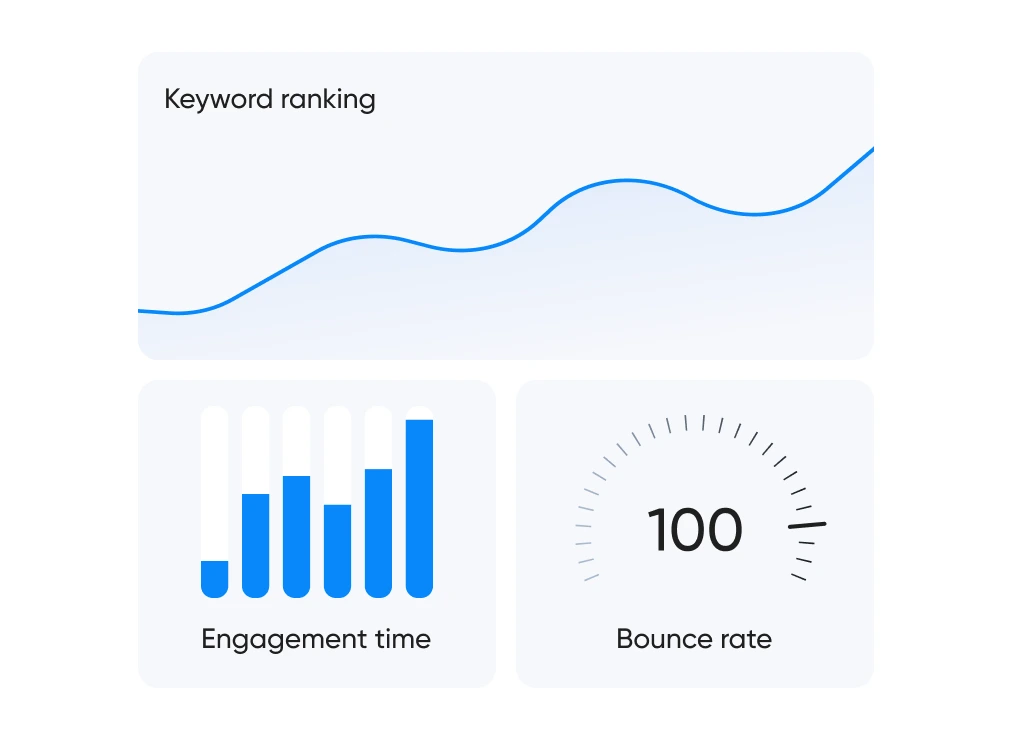
Comprehensive review of your site, competitors, and demand to uncover hidden gaps and growth opportunities.
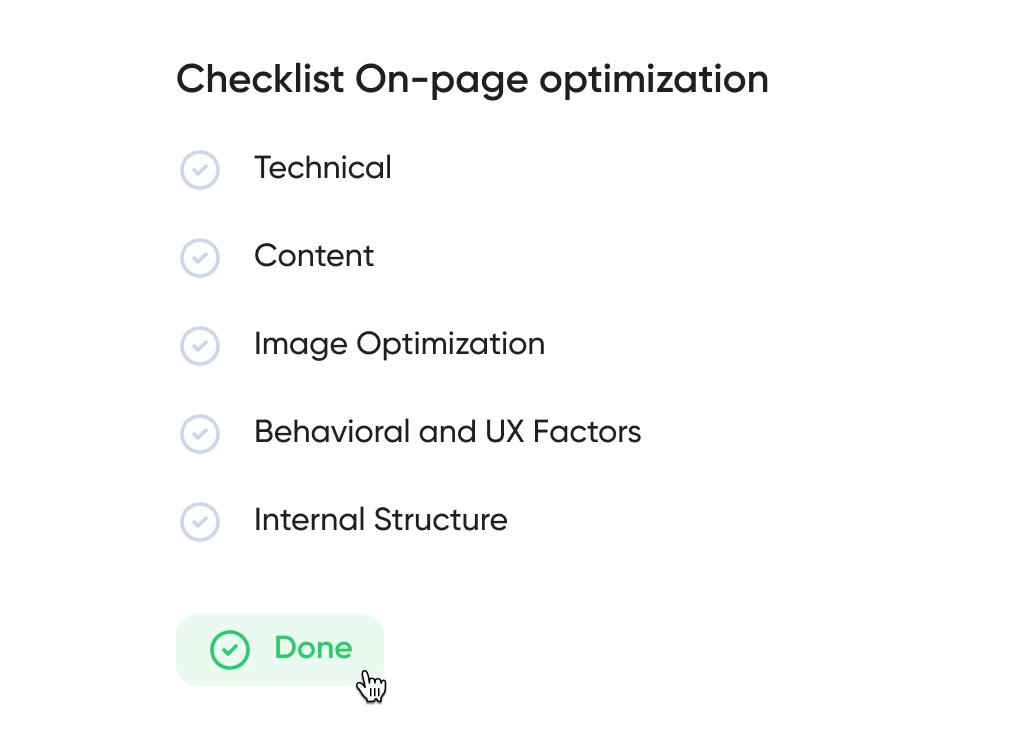
A roadmap built on analytics: technical corrections, optimized site structure, and finely tuned content for maximum results.

Link building, content expansion, and domain authority mapping — all measured by real data, not assumptions.
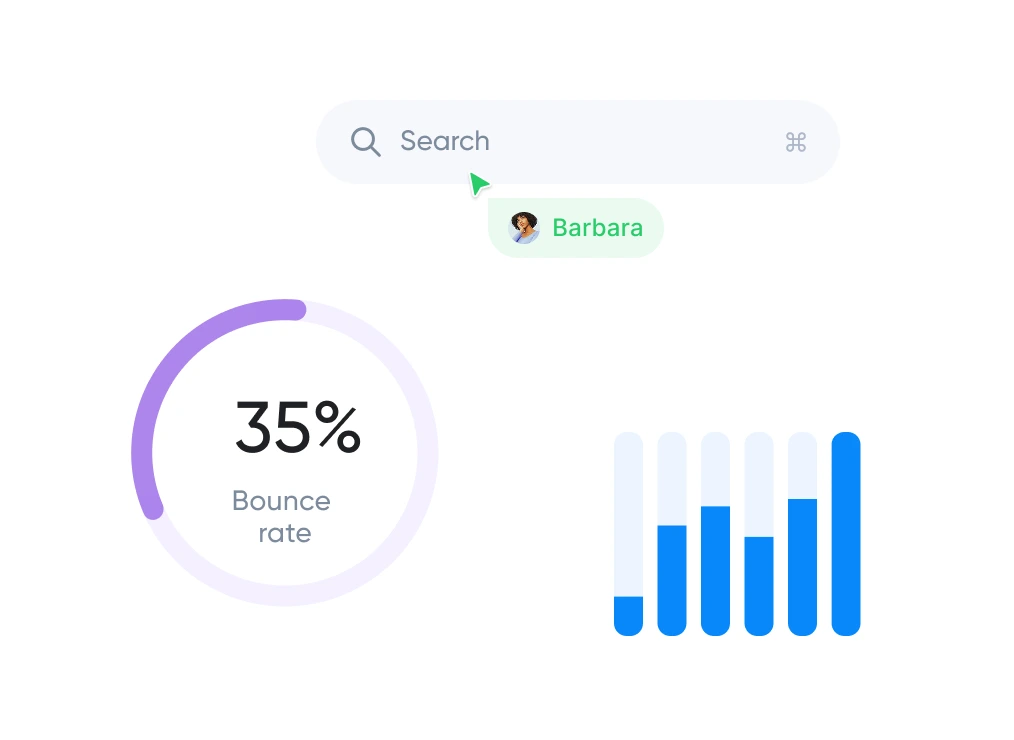
Advanced reporting, performance tracking, and continuous improvements of all SEO aspects to keep rankings growing.


Helping you gain visibility at the right pace — tailored to your business needs.
Each project is scoped individually — based on site size, market competition,
and the depth of optimization required.
SEO strategies tailored to different sectors — from local services to global enterprises.
Didn’t find what you were looking for? Drop us a line at info@toimi.pro.
Long Beach SEO operates in uniquely complex search environment — competition with broader LA market for general searches, intense local competition with Belmont Shore and Naples beachfront, downtown East Village, North Long Beach, and Cambodia Town district searches, the substantial diverse audience requiring Spanish, Khmer, and Tagalog language SEO consideration, modern aerospace search patterns specific to commercial space industry, port logistics search patterns serving B2B maritime audiences, and tourism search dynamics (Aquarium of the Pacific, Queen Mary, Long Beach Convention Center events). Generic LA SEO approaches miss Long Beach specifics.
Comprehensive SEO process includes technical SEO audit identifying foundational issues, keyword research grounded in Long Beach audience search behavior, on-page SEO optimization across content and technical factors, content development supporting target keyword strategies, link building developing authoritative backlinks, local SEO optimization for Long Beach neighborhood and city searches, ongoing measurement and optimization, and competitive monitoring tracking Long Beach market evolution. The depth matches actual SEO competitive requirements.
SEO results timelines depend on competitive intensity, current site authority, and target keyword competitiveness. Local searches with focused geographic intent (specific Long Beach neighborhood searches) often show meaningful improvement in 3-6 months. Competitive commercial searches typically require 6-12 months for substantial ranking improvement. Highly competitive searches against established Long Beach competitors with substantial existing SEO investment may require 12-18 months. We set realistic expectations grounding planning in actual SEO competitive dynamics.
Multilingual Long Beach SEO addresses Spanish-language search behavior for the substantial Latino audience, Khmer-language search for the Cambodia Town community, and Tagalog-language search for Filipino-American audiences alongside English search. Each language requires keyword research, content optimization, and SEO strategy specific to language audience search behavior. We implement hreflang supporting search engine language understanding, language-specific content optimization, and audience-specific local SEO. For Long Beach diverse businesses, multilingual SEO depth substantially affects total search visibility.
Long Beach local SEO addresses neighborhood-specific search dynamics — Belmont Shore Second Street searches, Naples Island searches, downtown East Village Arts District searches, Cambodia Town searches, Bixby Knolls Atlantic Avenue searches, North Long Beach searches, East Long Beach searches. We optimize Google Business Profile with appropriate category and content, develop neighborhood-specific landing pages where appropriate, build local citations and directory listings, generate authentic local reviews, and develop local content supporting neighborhood positioning.
Long Beach keyword research addresses substantial keyword complexity — local geographic keywords (Long Beach + service, neighborhood + service), category keywords with Long Beach modifier, long-tail conversational keywords reflecting voice search increasingly important among Long Beach audiences, multilingual keywords for Spanish/Khmer/Tagalog audiences, modern aerospace industry keywords, port logistics B2B keywords, healthcare keywords, and tourism keywords. Keyword research grounds in actual search volume and competitive analysis.
Technical SEO addresses foundational factors affecting search performance — site speed and Core Web Vitals optimization, mobile-first indexing readiness, proper indexing and crawlability, schema markup supporting search result enhancement, canonical management, internal linking architecture, XML sitemap implementation, robots.txt optimization, and security (HTTPS implementation). Technical SEO foundation substantially affects overall SEO performance — technical issues undermine other SEO investment regardless of content quality.
SEO is fundamentally ongoing rather than project-based work. We provide continuous SEO partnership including ongoing optimization across technical, on-page, and off-page factors, content development supporting evolving keyword strategies, link building campaigns, monthly performance reporting with actionable insights, quarterly strategic review and planning, and competitive monitoring tracking Long Beach market evolution. For Long Beach businesses with substantial SEO investment, ongoing partnership relationship substantially affects long-term SEO success.


