Not finding the exact service you need?
Get in touch

We dig into your site’s structure, content, and backlinks to uncover hidden blockers and turn them into ranking power.
Publishing content but not getting visits?
We align pages with real user intent.
Building links that don’t help?
We focus on authority sources that pass real value.
Traffic is coming but not converting?
We optimize landing pages for leads and sales.
Need results in Google and Yandex?
We tailor strategies for both search engines.
Miami is the US headquarters city of choice for a large share of companies doing business across Latin America, and it became a genuine finance and fintech headquarters market in its own right when firms like Citadel relocated there in 2022. Both of those facts shape local search here more than most SEO strategies account for: a meaningful share of Miami's real search volume happens primarily in Spanish, not as a translated afterthought to an English-language market, and a growing share of B2B search volume now comes from finance and fintech buyers who arrived alongside that relocation wave.
For a large share of Miami's population, Spanish is the primary language of daily search, and treating Spanish-language SEO as a secondary translation layer on top of an English-first strategy misreads the market. We build keyword research and content separately for Spanish-primary search behavior — which often differs from a literal translation of English search terms — rather than assuming the English keyword map applies once translated. The same logic increasingly applies to Portuguese for businesses targeting Brazilian buyers specifically, a smaller but fast-growing segment of Miami's international commerce.
Art Basel Miami Beach each December briefly turns the city into a global art and luxury-retail stage, spiking search demand for hospitality, event, and high-end retail categories in a pattern that closely mirrors what SXSW does to Austin's search calendar, just in a different season and industry. Businesses in those categories need content and technical readiness — booking availability, event listings, updated local guides — in place well ahead of the week itself, since search interest builds in the weeks before the event and falls off sharply once it ends.
Because so many companies use Miami as a regional headquarters for LatAm operations, a meaningful share of local B2B search volume comes from decision-makers researching a Miami-based vendor specifically because of its LatAm market access as well as its Florida location. That changes the content brief: pages that speak to cross-border logistics, bilingual support, and LatAm market experience tend to answer real buyer questions here in a way a generic "Florida business" page doesn't. Real-estate and property-investment search follows a related pattern, with a meaningful share of demand coming from international buyers researching Miami property remotely, often in Spanish or Portuguese, well before ever visiting in person.
Tourism and hospitality remain major economic drivers in Miami, and PortMiami has long billed itself the cruise capital of the world — a claim backed by real passenger volume. Search demand for hospitality, event, and tourism-adjacent categories swings with that seasonal cruise and travel calendar, and content and technical readiness need to be in place ahead of peak season rather than built reactively once demand has already spiked. The finance and fintech categories that arrived more recently don't follow the same seasonal pattern, which means a single content calendar covering both a hospitality business and a fintech company in Miami would be optimizing for two entirely different demand curves.
We start by identifying the primary language and audience for a given business — Spanish-primary LatAm-facing, English-primary domestic, or a genuine bilingual mix — since that decision shapes the entire keyword strategy from day one. Technical audit and local schema work follow, including consistent bilingual metadata where relevant. Content development proceeds in the audience's actual primary language, natively written, with seasonal categories sequenced ahead of Miami's tourism and hospitality demand calendar. Reporting separates performance by language where a business runs a genuinely bilingual strategy, since blended reporting can hide underperformance in either language.
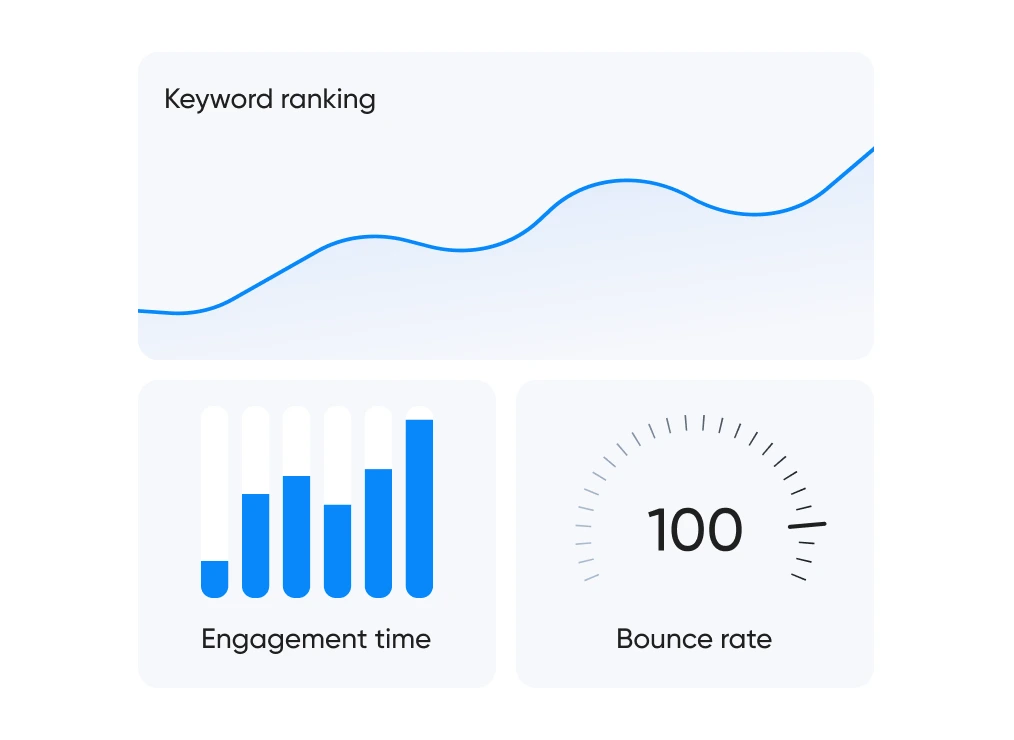
Comprehensive review of your site, competitors, and demand to uncover hidden gaps and growth opportunities.
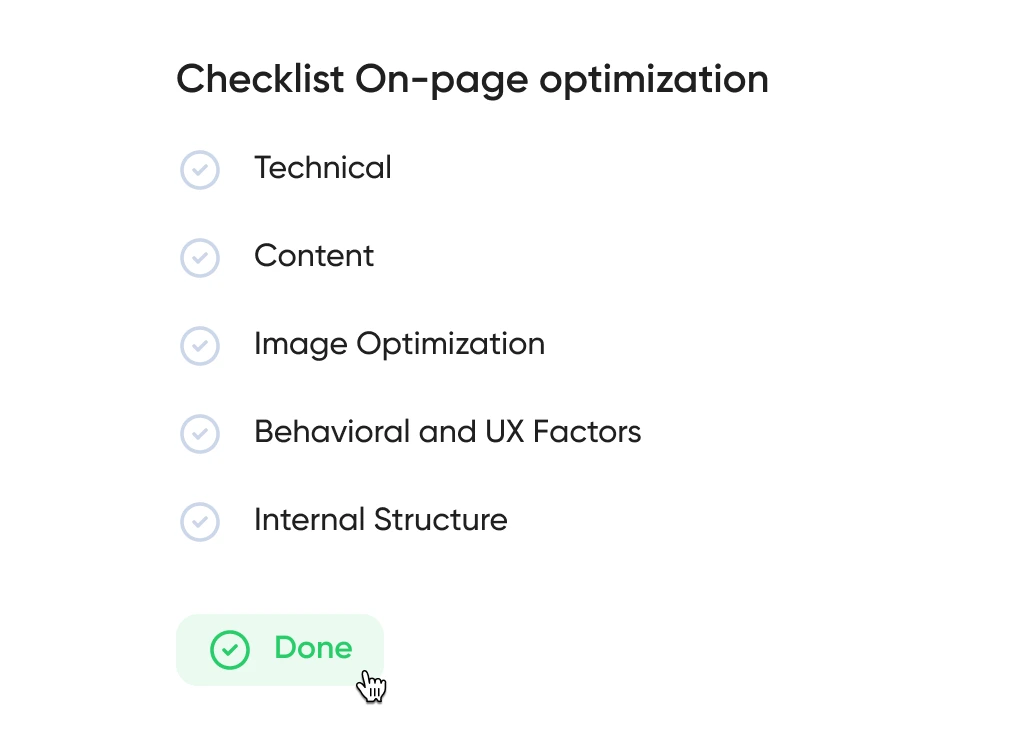
A roadmap built on analytics: technical corrections, optimized site structure, and finely tuned content for maximum results.

Link building, content expansion, and domain authority mapping — all measured by real data, not assumptions.
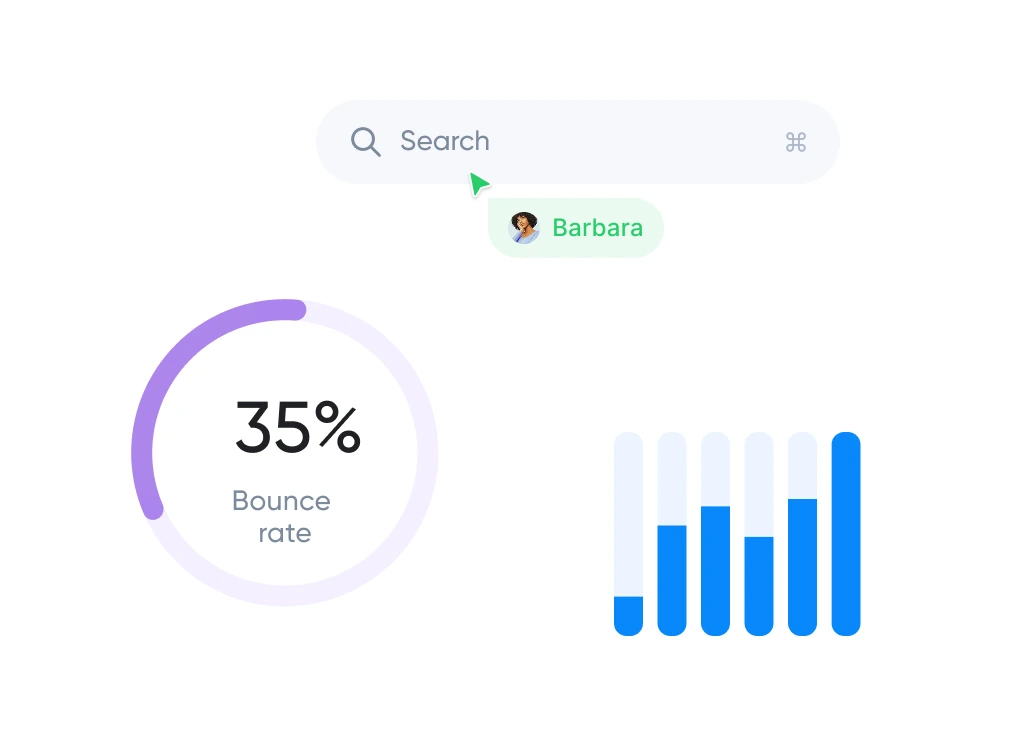
Advanced reporting, performance tracking, and continuous improvements of all SEO aspects to keep rankings growing.


Helping you gain visibility at the right pace — tailored to your business needs.
Each project is scoped individually — based on site size, market competition,
and the depth of optimization required.
SEO strategies tailored to different sectors — from local services to global enterprises.
Didn’t find what you were looking for? Drop us a line at info@toimi.pro.
Tourism, real estate, and hospitality sectors often require more aggressive strategies due to high competition. We create custom packages aligned with Miami's unique market dynamics and your growth objectives. Our transparent pricing includes keyword research, on-page optimization, link building, and detailed performance reporting.
Most Miami businesses see measurable SEO improvements within 3-6 months, with significant ranking gains by months 6-12. The timeline depends on your current website authority, competition in Miami's market, and industry sector. High-competition keywords in tourism or real estate may take longer, while niche B2B services often show faster results. We provide monthly progress reports showing keyword rankings, organic traffic growth, and conversion improvements specific to the Miami market.
Miami's tourism, hospitality, real estate, healthcare, and international trade sectors see exceptional ROI from SEO. Restaurants, hotels, and attractions compete for millions of annual visitors searching online. Real estate firms target luxury buyers and international investors. Medical practices serve both locals and medical tourists. Our Miami SEO strategies account for bilingual audiences, seasonal search patterns, and the city's unique position as a gateway to Latin America.
Our comprehensive SEO includes technical audits, keyword research targeting Miami audiences, on-page optimization, content strategy, and link building. We optimize for local Miami searches, mobile users, and voice search queries. Our services include Google Business Profile optimization, local citation building, and Schema markup implementation. We also provide competitor analysis specific to your Miami market segment and monthly performance reporting with actionable insights.
Absolutely. Miami's bilingual market requires SEO strategies for both English and Spanish audiences. We research keywords in both languages, optimize content for bilingual users, and implement hreflang tags for proper language targeting. Our approach captures searches from local Miami residents, Latin American visitors, and international audiences. This dual-language strategy is essential for maximizing visibility in Miami's diverse, multicultural marketplace where Spanish-language searches represent significant opportunities.
We use advanced competitive analysis to identify gaps in your Miami competitors' strategies. Our approach includes targeting long-tail keywords, optimizing for featured snippets, and building authoritative backlinks from Miami-based and industry-relevant sources. We leverage local partnerships, sponsor community events, and create location-specific content that resonates with Miami audiences. Our strategies account for seasonal fluctuations in tourism and real estate markets to maintain consistent visibility year-round.
We assign a dedicated SEO strategist as your primary contact and schedule bi-weekly calls to review progress. You'll receive monthly detailed reports showing keyword rankings, traffic growth, and conversions. We use your preferred communication tools—Slack, email, or video calls—and maintain transparency throughout the process. Our team is available for urgent questions and provides proactive recommendations as Miami market conditions or search algorithms change.
SEO requires continuous optimization, so we provide ongoing monitoring, content updates, and strategy refinements. We track algorithm changes, adjust tactics for Miami market shifts, and capitalize on new opportunities. Our post-launch support includes quarterly strategy reviews, regular content additions, technical maintenance, and conversion rate optimization. We stay proactive about emerging trends in your industry and Miami's evolving search landscape to maintain and improve your rankings long-term.
Whichever matches your actual customer base's primary search language — we determine that during the initial audit rather than defaulting to English with Spanish as an afterthought.
Natively, by a native Spanish-speaking writer working from the keyword research — a direct translation of English copy reads as exactly that to both readers and search engines.
Content and technical readiness for hospitality and travel-adjacent categories are scheduled ahead of the seasonal demand curve, based on historical patterns for the specific category.
Yes — content that speaks directly to cross-border and bilingual capability tends to answer real buyer questions for companies specifically choosing a Miami-based vendor for that reason.
Yes — that audience often searches in Spanish or Portuguese well before visiting in person, and content built for that stage of the buying process differs from content aimed at a local, English-speaking buyer.
Yes — the two categories follow entirely different demand curves, one tied to a relocation-driven B2B cycle and the other to Miami's seasonal tourism and cruise calendar, and a shared calendar would underserve one of them.
For hospitality, event, and luxury-retail categories it's a genuine, measurable spike — the key is publishing and technical readiness in the weeks before the event, not scrambling once search interest has already peaked.
Search interest typically builds over the weeks leading up to the event, so readiness work — updated listings, booking pages, local guides — needs a multi-week runway rather than a last-minute push.
Yes — searches for generators, storm shutters, insurance claims, and emergency supplies spike predictably between June and November, and businesses in those categories benefit from having content and inventory-status pages ready ahead of the season rather than built reactively once a storm is approaching.
Recurring — refreshing and re-promoting the content each year ahead of the season tends to perform better than relying on a single static page published once and left untouched.
For businesses serving communities like Little Haiti, yes — Haitian Creole content is a smaller but distinct addition to a bilingual strategy that only covers Spanish and Portuguese, built the same way: natively written, not translated.
A language-and-audience-scoped technical audit, bilingual (or trilingual) metadata and schema corrections, and an initial content wave in the audience's actual primary language, with measurable movement typically following in the second quarter.
Only if the audit shows real demand in a second language — a B2B product selling exclusively to English-speaking institutional buyers doesn't need a Spanish content track just because it's based in Miami, while a consumer or community-facing business usually does.
Performance is broken out by language, since combining Spanish and English rankings into one number can hide one language underperforming while the other carries the average.
Yes — the outlets and directories a Spanish-speaking Miami audience actually trusts often differ from the English-language local press, and citation and outreach work is scoped separately to match.
Both — a lot of Miami-based fintech and LatAm-facing businesses serve a national or international customer base, so their keyword strategy often extends well past purely local Miami search terms.
Largely yes — international property-buyer interest doesn't track the same cruise-and-tourism calendar as hospitality search, and content for that audience is planned against its own, generally steadier demand pattern.


