Not finding the exact service you need?
Get in touch

We dig into your site’s structure, content, and backlinks to uncover hidden blockers and turn them into ranking power.
Publishing content but not getting visits?
We align pages with real user intent.
Building links that don’t help?
We focus on authority sources that pass real value.
Traffic is coming but not converting?
We optimize landing pages for leads and sales.
Need results in Google and Yandex?
We tailor strategies for both search engines.
San Francisco is 49 square miles, and the tech industry it hosts is wildly disproportionate to that footprint — which means a lot of "San Francisco" B2B SaaS companies are actually competing for search visibility across the wider Bay Area, since their buyers, and often their own former employees now working at a competitor, are just as likely to be in Oakland, San Jose, or Palo Alto as in the city itself. Treating San Francisco as an isolated local-search market, the way a home-services SEO strategy would in most cities, misreads who's actually searching.
Because the city's economy is so concentrated in headquartered software rather than distributed local commerce, a meaningful share of relevant search volume for a San Francisco SaaS company doesn't have geographic intent at all — buyers are searching for a category or a problem, not "software company San Francisco." Local SEO tactics built for geographic intent matter less here than for almost any other market in this portfolio; category and problem-based keyword strategy matters more.
The practical result of that concentration is that a San Francisco SaaS company's real organic competitors are usually other San Francisco or Bay Area SaaS companies in the same category, all targeting nearly identical non-geographic keywords with well-resourced content and product-led SEO programs. That's a fundamentally different competitive shape than most cities' SEO markets, where the top few competitors have uneven levels of SEO sophistication — here, assume the competitor has already done the obvious work. A large share of that competition also runs active developer-relations and technical-content programs — API documentation, engineering blogs, integration guides — that double as SEO assets, which raises the content-depth bar for anything trying to compete in the same category.
GitHub is headquartered in San Francisco, and the city carries a disproportionate share of companies whose growth strategy leans on open-source projects, developer communities, and technical content as much as traditional marketing. For SEO specifically, that means backlink profiles in this market often include a real share of organic, community-driven links — from other developers referencing a tool or library — that a purely paid or outreach-driven link-building campaign in a different city wouldn't naturally generate, and a technical SEO strategy here should be built to support and measure that channel rather than only the more conventional ones.
Enterprise SaaS products built as single-page applications are common in this market, and that architecture creates specific technical SEO risk — content rendered client-side that search engines fail to index properly, and marketing pages built on top of an app framework that weren't built with crawlability in mind from the start. We prioritize server-side rendering or pre-rendering audits for marketing and content pages specifically, since that's the most common technical failure point we see in this category of business. Developer-facing content — documentation and integration guides in particular — carries its own version of the same risk, since it's frequently built on a separate framework from the marketing site with its own indexation quirks.
We start with a technical crawl focused on JavaScript rendering and indexation, since that's the highest-risk technical issue for the single-page-app architecture common among San Francisco SaaS companies. Keyword strategy is built around category and problem-based, largely non-geographic search intent, competing directly against the other well-resourced Bay Area SaaS companies that dominate this space. Content development leans toward the technical depth and product-led content this audience already expects, since a shallower competitor-matching approach won't outrank companies with mature content and developer-relations programs of their own. Reporting tracks category-keyword movement against the specific named competitors a business is actually losing visibility to, not a generic industry benchmark.
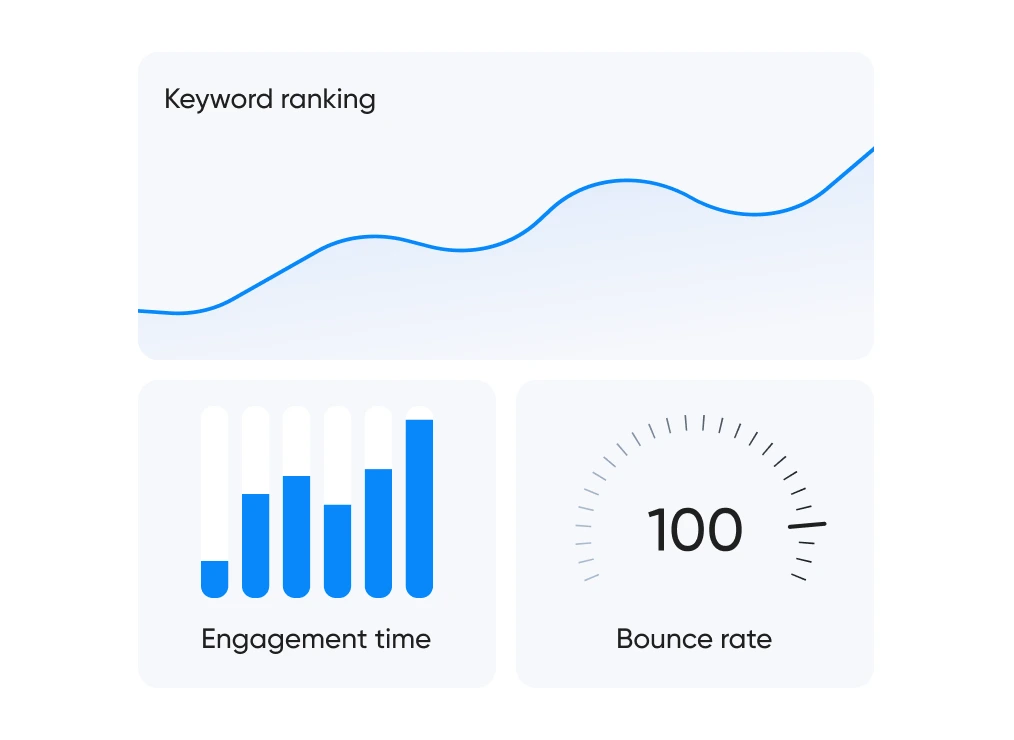
Comprehensive review of your site, competitors, and demand to uncover hidden gaps and growth opportunities.
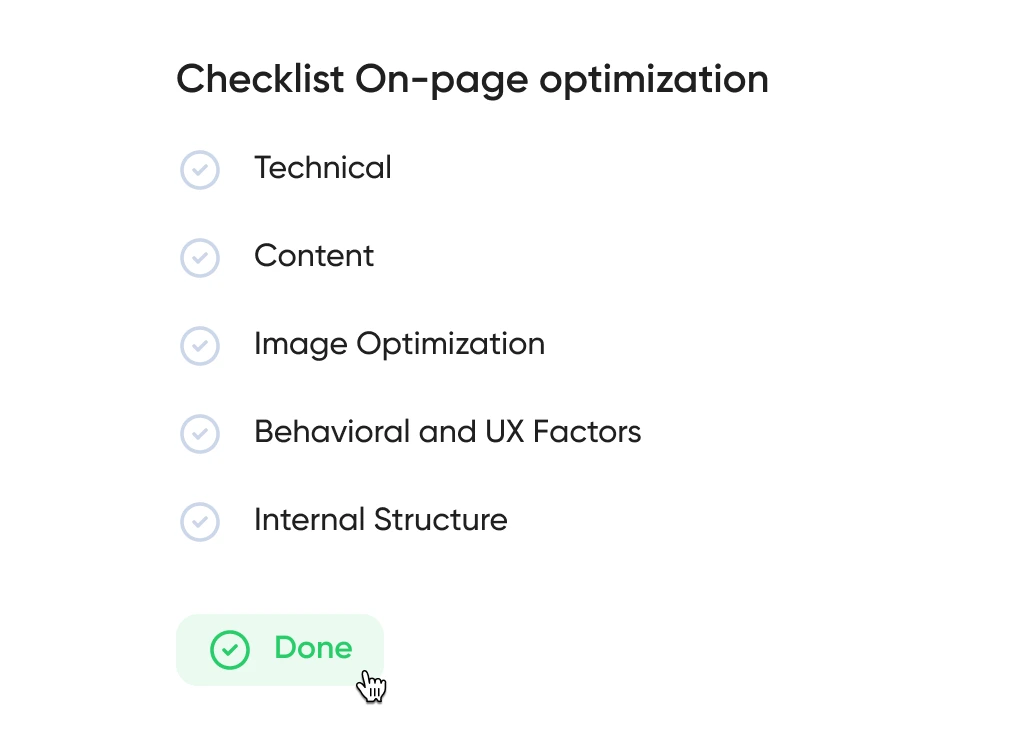
A roadmap built on analytics: technical corrections, optimized site structure, and finely tuned content for maximum results.

Link building, content expansion, and domain authority mapping — all measured by real data, not assumptions.
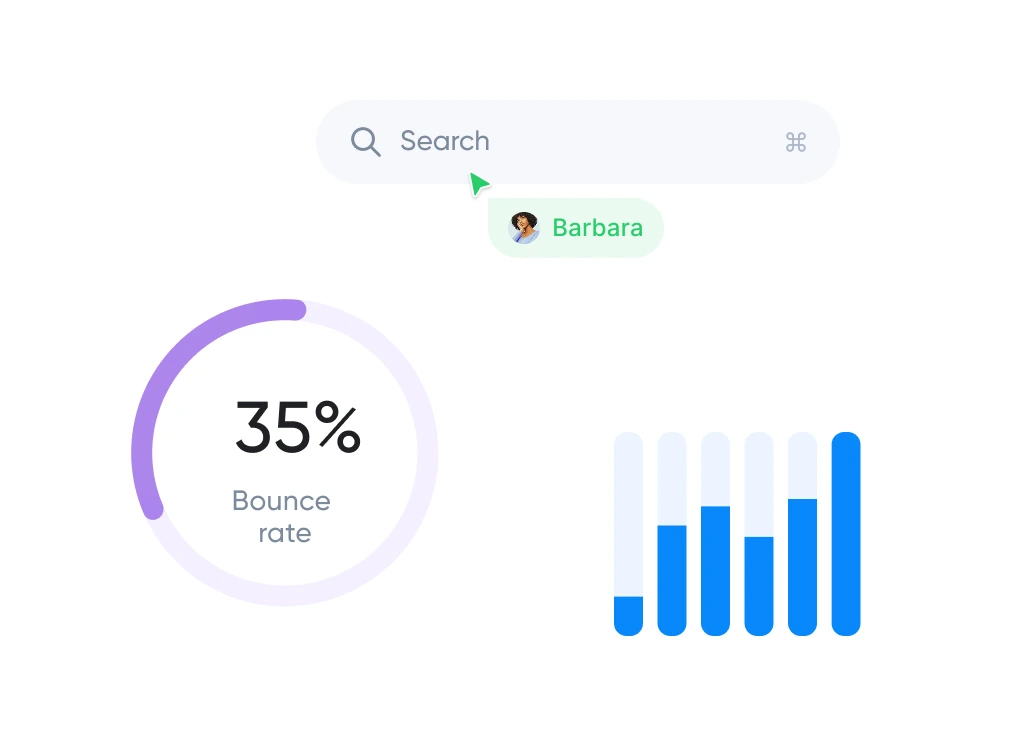
Advanced reporting, performance tracking, and continuous improvements of all SEO aspects to keep rankings growing.


Helping you gain visibility at the right pace — tailored to your business needs.
Each project is scoped individually — based on site size, market competition,
and the depth of optimization required.
SEO strategies tailored to different sectors — from local services to global enterprises.
Didn’t find what you were looking for? Drop us a line at info@toimi.pro.
Early-stage tech startups often start with technical audits and local optimization, while established firms invest in comprehensive strategies. We provide transparent proposals based on your market position — no long-term contracts required. Most Bay Area clients see measurable ranking improvements within 90-120 days.
San Francisco presents unique challenges with saturated tech keywords and sophisticated audiences in neighborhoods like Mission Bay and Presidio Heights. Competition from well-funded startups means you need technical excellence — fast load times, mobile optimization, and structured data. Local searchers here expect authoritative content and seamless user experiences. We focus on intent-driven keywords that attract qualified leads as well as traffic. Understanding the city's diverse districts helps us target neighborhood-specific searches effectively.
SaaS companies, fintech firms, healthcare startups in Mission Bay, legal practices near Civic Center, and hospitality businesses in Union Square see strong ROI from SEO. The city's venture-backed ecosystem means B2B services need visibility when decision-makers search. Professional services targeting Peninsula clients benefit from geo-targeted strategies. We help biotech companies rank for specialized research terms and retail shops compete through local optimization.
Most clients notice ranking improvements within 8-12 weeks, with significant traffic growth by month four. Technical fixes like site speed and mobile responsiveness show faster results. Competitive keywords in San Francisco markets take longer due to established players — sometimes 6-9 months for top positions. We provide monthly reports showing keyword movement, organic traffic trends, and conversion data. Quick wins come from optimizing existing high-performing pages and fixing technical issues that hurt visibility.
We don't guarantee specific rankings because search algorithms change constantly and competition varies. Instead, we focus on sustainable growth through quality content, technical optimization, and earning authoritative backlinks. We target keyword clusters where you can realistically compete based on domain authority and budget. Transparency matters more than promises — we share what's working and adjust strategies based on data.
Every engagement starts with a technical audit covering site speed, mobile usability, and crawl errors. We research keywords your San Francisco audience actually searches, then optimize existing pages and create new content. Monthly work includes monitoring rankings, analyzing competitors, building quality backlinks, and refining strategies based on performance. You receive detailed reports and direct access to our team. We integrate with your existing marketing efforts rather than working in isolation.
We schedule bi-weekly calls to review progress, discuss strategy adjustments, and answer questions. You'll have direct access via Slack or email for quick questions between meetings. Monthly reports include ranking changes, traffic analysis, and recommendations for the next phase. We work transparently — we explain what we're doing and why in plain language. If something isn't working, we pivot quickly rather than waiting for quarterly reviews.
SEO requires ongoing effort because competitors optimize continuously and algorithms evolve. After initial improvements, we shift to content creation, link building, and monitoring algorithm updates that affect your rankings. Most clients continue with monthly retainers for maintenance and growth. We also train your team on basic optimization if you want to handle some tasks internally. Whether you need full management or occasional consulting, we structure support around your goals and budget rather than forcing annual contracts.
Less than for most businesses — non-geographic, category and problem-based search intent usually carries more real opportunity, though local signals still matter for any in-person sales or event-driven activity.
We audit JavaScript rendering and indexation first, since that's the most common way SaaS marketing content becomes invisible to search engines despite looking correct to a site visitor.
Usually other San Francisco or Bay Area SaaS companies in the same category — we build the competitor set from actual keyword overlap, not a generic industry list.
Yes — for most B2B SaaS companies here, buyer search behavior isn't geographically confined to the city, so we typically build the keyword map around the wider Bay Area and non-geographic category terms rather than city-limited local SEO.
Yes — docs and integration guides often run on a separate framework from the marketing site and carry their own indexation risk, and for a lot of SF SaaS companies that content is also a genuine ranking asset worth auditing on its own.
By matching the content depth this audience already expects — technical accuracy and product-led detail — rather than a lighter-weight approach that reads as thin against an established devrel blog or documentation set.
They can be a meaningful, distinct signal alongside conventional link-building — we track them separately in reporting since they behave differently from a typical outreach-earned link.
By tracking referring domains and ranking movement tied specifically to that channel, separate from paid outreach and digital-PR link-building, so the two aren't credited to each other.
For an early-stage SF startup, organic discussion and links generated by a well-received Hacker News post or YC-network mention can be a genuine referral and backlink source — one we track separately, since it behaves more like earned media than a conventional outreach link.
As a secondary channel rather than a primary SEO strategy — it can produce a real short-term traffic and link spike, but it's inconsistent enough that a content plan built entirely around it would leave the steadier category and problem-based keyword work undone.
A JavaScript-rendering and indexation audit across marketing and documentation surfaces, a category-based (largely non-geographic) keyword map built against named Bay Area competitors, and an initial content wave against the clearest gaps, with measurable movement typically following in the second quarter.
A smaller set tied to in-person sales, local events, or regional partnerships is often still worth tracking, but it's a secondary line in the report rather than the primary measure of success.
Each named competitor's visibility on the same keyword set is tracked alongside the client's own, so movement is judged against who's actually winning the deals, not an abstract industry average.
For a technically sophisticated B2B SaaS audience, generally yes — a smaller volume of genuinely detailed, product-led content tends to outperform a higher volume of shallower posts that don't hold up against an established devrel-backed competitor.
Organic content still supports the earlier research stage of that sales cycle, so keyword strategy accounts for the longer, more research-heavy buying journey typical of an enterprise deal rather than assuming a single-session conversion.
Not necessarily at the same volume, but the depth and technical accuracy bar stays the same — a thinner, less accurate version of a competitor's content tends not to rank regardless of the company's size.


