Not finding the exact service you need?
Get in touch

We dig into your site’s structure, content, and backlinks to uncover hidden blockers and turn them into ranking power.
Publishing content but not getting visits?
We align pages with real user intent.
Building links that don’t help?
We focus on authority sources that pass real value.
Traffic is coming but not converting?
We optimize landing pages for leads and sales.
Need results in Google and Yandex?
We tailor strategies for both search engines.
Chicago is officially divided into 77 distinct community areas, a civic structure the city has used since the 1920s, and that structure matters for search because Chicagoans tend to identify with their community area — Pilsen, Logan Square, Hyde Park — well before they identify with "Chicago" as an undifferentiated whole. A local business ranking only for city-wide terms is leaving a large share of qualified, more specific search volume for a competitor willing to build out the neighborhood-level content Chicago's own geography practically demands. That gap between city-wide and community-area search intent tends to be wider in Chicago than in cities without a comparably formal neighborhood system, simply because the boundaries are administrative fact, not marketing invention.
That neighborhood identity is stronger in Chicago than in most large US cities precisely because the 77-area system is administrative rather than informal — it shows up in real-estate listings, school-district boundaries, and local news coverage, which means it also shows up in how people search. A service business that only targets "Chicago plumber" is competing against every other plumber in the metro for one broad term; a business that also builds out Logan Square, Pilsen, and Hyde Park-specific pages is competing in three narrower, more winnable fields, each with its own local competitor set and often meaningfully different search volume and intent.
Leo Burnett founded his advertising agency in Chicago in 1935, and the city has carried an outsized share of the US ad industry ever since — which means the local competitive set for a lot of B2B and professional-services keywords includes companies with genuinely sophisticated, decades-old marketing operations as well as SEO-naive local businesses. That raises the quality bar for content and backlink profiles here compared with markets where the competing businesses have less institutional marketing depth. McCormick Place, the largest convention center in North America, adds a related effect for B2B categories specifically: a lot of Chicago-based companies are used to competing for attention at trade-show scale, and that same competitive instinct shows up in how aggressively they invest in organic content once they decide to.
Chicago's weather swings from a short, intense summer to a long winter, and that seasonality drives real search-volume shifts for home services, landscaping, and even retail foot-traffic-adjacent categories — "gutter cleaning" and "snow removal" aren't steady-state keywords here, they're seasonal spikes that need content and technical readiness (site speed, schema, local inventory signals) in place before the spike hits, not during it. We build the technical and content calendar around that seasonal curve rather than a flat monthly cadence, and we check historical local search-volume data for the specific category before committing to a publishing schedule, since the exact timing of the seasonal shift varies year to year.
O'Hare's role as one of the world's busiest airports, combined with United Airlines' headquarters presence in the Loop, drives a steady volume of travel- and logistics-adjacent local search — hotels near O'Hare, airport parking, cargo and freight services — that behaves more like a national travel market than a typical local-business category. Businesses in those categories compete against national travel-booking platforms as much as local peers, which changes both the keyword strategy and the realistic ranking timeline compared with a purely local service category.
We open with a technical crawl and a competitive gap analysis run at the community-area level as well as city-wide, since that's where a meaningful share of the winnable keyword volume sits. Content development is sequenced against Chicago's seasonal demand curve where relevant, and against the competitive gap map everywhere else. Link-building and citation work prioritizes locally relevant Chicago sources — neighborhood publications and community-area-specific directories carry more local-relevance signal here than generic national directories. Reporting ties ranking movement back to specific community-area pages rather than an aggregate city-wide number, since a flat city-wide report can hide a community-area page that's actually underperforming.
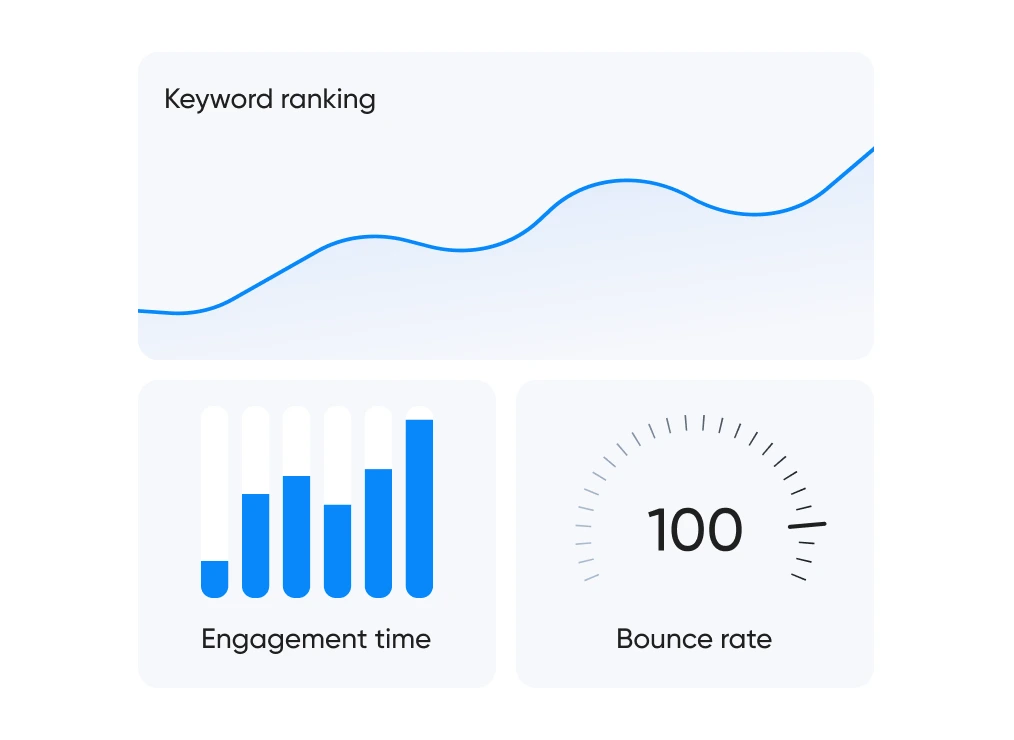
Comprehensive review of your site, competitors, and demand to uncover hidden gaps and growth opportunities.
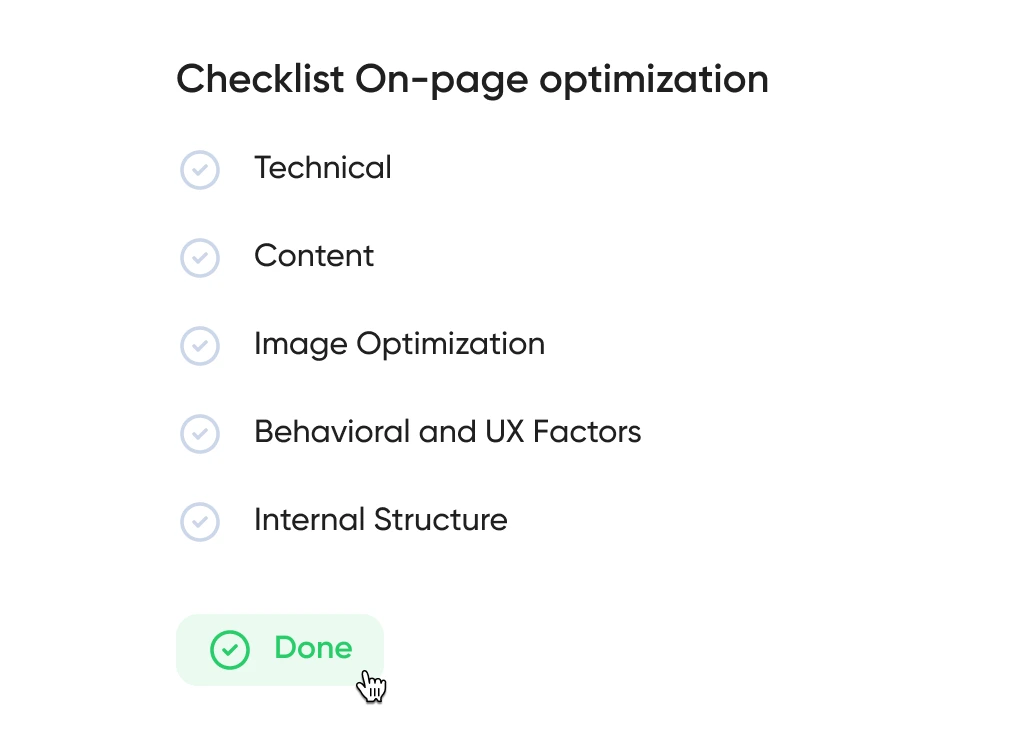
A roadmap built on analytics: technical corrections, optimized site structure, and finely tuned content for maximum results.

Link building, content expansion, and domain authority mapping — all measured by real data, not assumptions.
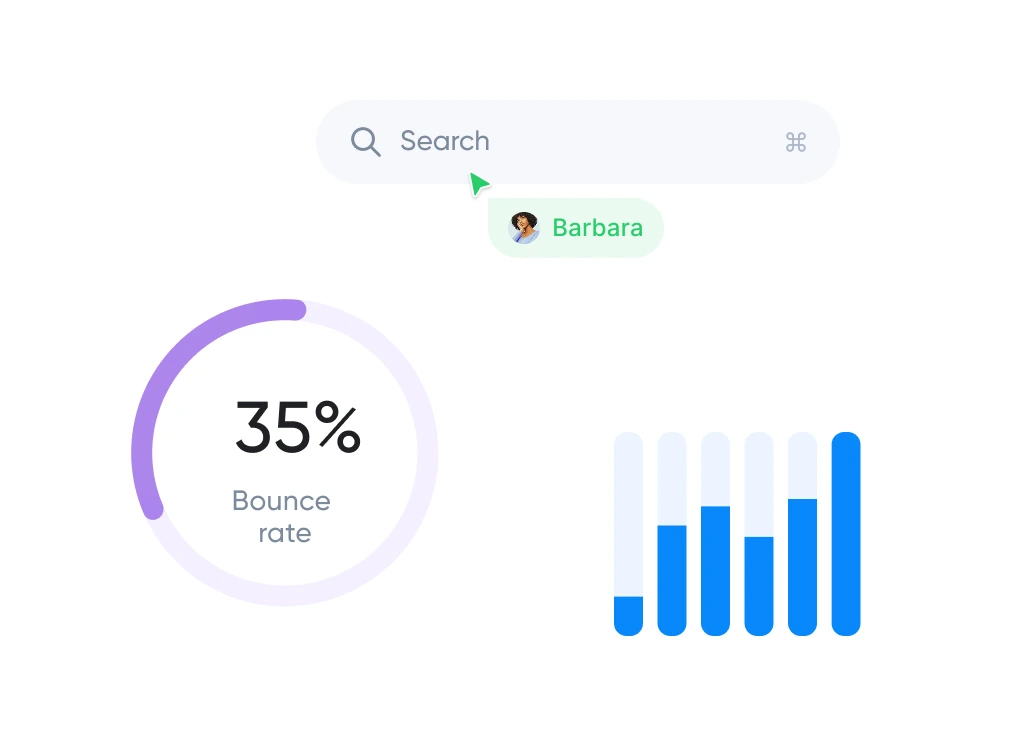
Advanced reporting, performance tracking, and continuous improvements of all SEO aspects to keep rankings growing.


Helping you gain visibility at the right pace — tailored to your business needs.
Each project is scoped individually — based on site size, market competition,
and the depth of optimization required.
SEO strategies tailored to different sectors — from local services to global enterprises.
Didn’t find what you were looking for? Drop us a line at info@toimi.pro.
Typically 3–6 months, depending on your site's current state and industry competition. Highly competitive Chicago markets may take longer to achieve top positions in search results.
No. Most SEO improvements are implemented in the background. Major redesigns may temporarily affect workflows, but we coordinate with Chicago teams to avoid downtime.
Google is the primary focus for Chicago searches, but we also optimize for Bing and other engines where it's relevant based on market share and user behavior in your region.
We track rankings, organic traffic, and conversions. Rankings alone aren't enough — real success means more qualified leads and sales for your Chicago operations.
In most cases, yes. Existing content can be optimized, but long-term growth requires adding new, valuable content that matches search intent and addresses user questions.
Yes. We handle site speed, mobile responsiveness, indexing, and structured data. Some issues, however, may require deeper development changes beyond standard SEO.
Yes, but quality matters more than quantity. We avoid spammy links and focus on partnerships and authoritative mentions from reputable Chicago-area sources and industry publications.
Local SEO targets location-based searches — like "near me" queries or Google Maps results. It's critical for Chicago businesses serving specific neighborhoods, suburbs, or the greater metro area.
No. SEO is influenced by competition and search engine updates. What we guarantee is a data-driven strategy that steadily improves visibility and search performance.
SEO is ongoing. Search algorithms change, competitors adapt, and content needs updates. We provide long-term monitoring and adjustments to maintain and improve your Chicago search presence.
For local-service businesses, community-area-level pages are usually part of the plan, since that matches how Chicagoans actually search and identify their location.
We build seasonal content and technical readiness ahead of the demand spike — before the first snowfall, not after — based on historical seasonal patterns for the specific category.
In categories that overlap with sophisticated existing marketing operations — professional services, B2B, finance-adjacent — yes, which is part of why content and backlink quality get prioritized over volume in this market.
Yes — that's a common structure here, and the technical and content plan accounts for multiple location pages with distinct local schema and content rather than one diluted city-wide page.
Indirectly — B2B buyers here are often already primed for high-effort, high-production content from trade-show culture, which raises the content-quality bar for anything trying to compete for their attention online as well.
By competitive gap analysis at the community-area level — starting with the areas showing real search volume and weaker existing competition, rather than the areas that are simply easiest to write about.
Yes — travel and logistics categories near the airport compete against national booking platforms as well as local peers, which usually means a longer, more content-intensive path to ranking than a typical neighborhood service business.
Often yes for a tightly scoped niche — long-term parking or a specific cargo-handling service, for example — where a smaller business can still carve out a defensible position against larger national platforms.
Yes — hotels, restaurants, and transportation businesses near McCormick Place see a distinct layer of business-traveler search ("restaurants near McCormick Place," "hotels downtown Chicago") tied to the convention calendar rather than to resident search behavior.
With content built around proximity to specific venues and event dates rather than general neighborhood terms, since a conventioneer's search intent is short-term and location-anchored in a way a resident's isn't.
Where relevant, yes — Chicago's active civic-data and public-sector digital-services scene generates its own local search patterns around city services and public information, distinct from commercial local-business search.
A community-area-level technical and competitive audit, corrected schema, and an initial content wave sequenced against both the seasonal demand calendar and the competitive gap analysis, with measurable ranking movement typically following in the second quarter.
Usually a handful chosen by real competitive opportunity rather than all 77 at once — spreading content too thin across every community area tends to produce weaker pages than concentrating on the ones with the clearest demand and weakest existing competition.
Yes — a purely seasonal category like snow removal gets a compressed pre-season content push, while a year-round category like plumbing gets a steadier publishing cadence with smaller seasonal adjustments layered on top.
Yes — internal links between a business's community-area pages are structured to reinforce which page is meant to rank for which local term, rather than cross-linking every location page to every other one indiscriminately.
Yes — reporting is broken out by community area and, where relevant, by season, rather than one blended city-wide monthly number that would hide underperformance in a specific area or time of year.


