
Traditional SEO optimizes for ten blue links. AI search optimizes for citation in ChatGPT, Claude, and Perplexity answers. GEO and AEO are the disciplines for being visible in this new layer — and brands that ignore them in 2026 are already losing share to competitors who don't.
Key takeaways 👌
GEO (Generative Engine Optimization) and AEO (Answer Engine Optimization) are not "the new SEO" — they're a parallel discipline that requires different content structures, different measurement, and different success metrics from traditional ranking optimization.
The brands winning AI search visibility in 2026 share three traits — clean structured data, citation-worthy original research, and content written in answerable Q&A formats. Without all three, AI engines won't reliably surface or attribute your brand.
Measurement is the unsolved problem in GEO/AEO. The visibility metrics that matter (citation rate in AI responses, brand mention frequency, traffic from AI answer surfaces) require new tooling that's still maturing in 2026.
Introduction
For 25 years, "search visibility" meant Google rankings. Brands optimized title tags, built backlinks, structured content for keyword targeting, and watched their positions in the ten blue links. The discipline matured into a sophisticated practice with clear measurement, predictable tactics, and an ecosystem of tools, agencies, and conferences.
Then between mid-2023 and early 2026, the entire premise shifted. ChatGPT became the second most-visited website globally. Perplexity grew from research curiosity to mainstream search alternative. Google itself replaced its traditional results with AI Overviews on a growing share of queries. Claude, Gemini, and other AI assistants emerged as primary information surfaces for hundreds of millions of users. The behavior shifted faster than the optimization discipline could catch up.
In this new landscape, two related disciplines have emerged: GEO (Generative Engine Optimization), the practice of optimizing content for visibility in generative AI responses, and AEO (Answer Engine Optimization), the narrower practice of optimizing for citation in answer-engine systems like Perplexity and SearchGPT. Both extend traditional SEO discipline rather than replacing it — and brands that treat GEO and AEO as separate from SEO produce inconsistent results, while brands that integrate them into a unified search visibility practice produce compound returns.
This guide covers what GEO and AEO actually are, why traditional SEO tactics produce diminishing returns in AI search, the five operational pillars of getting cited by AI engines, and the implementation roadmap that has produced measurable results for brands testing the discipline through 2025–2026. Most importantly, it cuts through the hype to identify what's working in production versus what's being promoted as working without evidence.
What GEO and AEO Actually Are
The acronyms get conflated, but the distinction matters operationally.
GEO (Generative Engine Optimization) is the broad discipline of making your content discoverable, parseable, and citable by generative AI systems. The target is any system that synthesizes information from sources to generate a response — ChatGPT, Claude, Gemini, Perplexity, SearchGPT, Copilot, AI Overviews. The optimization extends to how content is structured, written, and made machine-accessible.
AEO (Answer Engine Optimization) is the narrower subset focused on systems that explicitly cite sources in their responses — Perplexity, SearchGPT, Bing Copilot, AI Overviews. AEO is concerned with becoming a cited source, which produces traffic referrals and explicit brand mentions in addition to influence on the response.
Traditional SEO targeted Google's algorithm, which evaluated authority, relevance, and quality through hundreds of ranking factors. GEO and AEO target large language models, which read content during training and inference, then synthesize responses based on what they've absorbed. The mechanics are completely different. The content patterns that ranked well in 2018 (keyword-dense pages, comprehensive long-form guides) often perform poorly in AI search, while content that performs well in AI search (clear question-answer formats, original data, structured comparisons) was historically considered too prosaic for SEO.
The practical implication: brands need both. SEO remains essential because Google's traditional results still drive significant traffic, and Google's AI Overviews still pull from traditional rankings. GEO and AEO are essential because traditional SEO doesn't sufficiently optimize for the AI-mediated layer, and that layer is growing fast. The brands that win 2026 search visibility treat them as integrated rather than competing disciplines — extending content SEO practice to include AI-search-specific patterns rather than splitting the work into separate teams.

GEO/AEO measurement requires combining multiple data sources — and most brands underinvest in the analytics layer. Cross-Channel Analytics: What It Is and How to Implement It

How AI Search Actually Works (And Why Traditional SEO Falls Short)
To optimize for AI search, you need to understand the mechanics — which most "GEO best practices" content describes inaccurately.
The four-stage AI search process
Stage 1: Query interpretation. The AI system parses the user's question, identifies the intent, and decides whether to draw from training data alone, search the web for current information, or both. This decision happens before any "ranking" occurs.
Stage 2: Source retrieval. For queries requiring current or specific information, the AI system retrieves relevant content — either through traditional search APIs (Bing, Google) or through proprietary indexes. The brands cited in this stage have content that surfaces in conventional search results.
Stage 3: Content extraction. The AI system reads the retrieved content and extracts relevant facts, quotes, and data points. Content that's structured for parsing (clear headings, structured data, explicit Q&A formats) extracts cleanly. Content with weak structure produces incomplete or hallucinated extractions.
Stage 4: Response synthesis. The AI system combines extracted information with training data and produces a response, often with citations. The brands mentioned and cited in this stage have content that the model can confidently reference.
Why traditional SEO falls short
Traditional SEO optimizes for stage 2 — making content discoverable through search APIs. This remains necessary but is no longer sufficient.
Stages 3 and 4 have completely different requirements:
Stage 3 rewards structured, parseable content. A long-form essay buried in a complex page layout extracts poorly compared to a structured Q&A or a properly marked-up data table. Investment in technical SEO infrastructure — schema markup, structured data, semantic HTML — pays compounded returns in AI search.
Stage 4 rewards content that's quotable and citable. AI engines synthesize responses by combining information from multiple sources. Content that contains specific, attributable, defensible claims gets cited more often than content that's vague or generic. Original data and research dramatically increase citation likelihood.
The optimization shift: traditional SEO was about being found. GEO/AEO is about being read, extracted, and cited. The tactics overlap but don't replace each other.
The future is already here — it's just not very evenly distributed.
— William Gibson, Author and Futurist
The Five Pillars of Generative Engine Optimization
After 18 months of GEO experimentation across brands, five operational practices consistently produce measurable improvements in AI search visibility.
Pillar 1: Structured data and semantic markup
Schema.org markup, OpenGraph metadata, JSON-LD structured data, and semantic HTML5 elements help AI systems extract content cleanly. The marginal cost is low; the impact on AI search citation is meaningful. Specific patterns that perform well:
- FAQ schema for question-answer content
- HowTo schema for instructional content
- Article schema with author, publisher, and date attribution
- Product schema with structured attributes for commercial content
- Organization schema linked to your brand entity across all pages
Pillar 2: Content structured for extraction
AI systems extract content best when it's structured for extraction. Specific patterns:
- Clear question-answer pairs in headers, not buried in narrative
- Definitive answers in the first paragraph following a question
- Bulleted lists for enumerable information (steps, criteria, options)
- Comparison tables for evaluative content (vs. comparisons, feature matrices)
- Data presented numerically with units and context, not buried in prose
The tradeoff: this structure can feel less "editorial" than long-form narrative. The compromise that works is structuring content for extraction at the section level while preserving narrative voice in surrounding context.
Pillar 3: Citation-worthy original content
AI engines cite sources that contain unique, defensible, attributable information. Five categories of content earn citations consistently:
- Original research and surveys with documented methodology
- Industry-specific data sets with clear sourcing
- Subject-matter-expert commentary with attribution
- Detailed case studies with specific outcomes and metrics
- Comparison frameworks and decision matrices that synthesize options
Generic content that summarizes other sources rarely gets cited — AI systems prefer the originals. The implication: brands competing on GEO need to invest in genuine original content production, not just optimize aggregations of existing information.
Pillar 4: Entity establishment and consistency
AI systems build understanding of brand entities through cross-source consistency. The brands that get reliably cited in AI search have:
- Consistent name, description, and category across their owned content
- Verified presence in major databases (Wikipedia, Crunchbase, LinkedIn)
- Clear entity-attribute relationships (your company → industry → location → key services)
- Author bylines linked to verified expertise pages
- Cross-linking between owned properties that reinforces entity identity
The pattern is similar to traditional brand SEO with knowledge-graph optimization but extends to data sources AI systems specifically use.
Pillar 5: Authority signals AI engines actually weight
Traditional SEO authority signals (backlinks, domain age, traffic) matter for AI search but aren't sufficient. AI engines additionally weight:
- Citation in academic and professional publications
- Expert commentary in press and industry media
- Presence in curated databases and lists
- Verified expertise of named authors
- Consistency of claims across sources
Brands optimizing only for backlink quantity miss most of these signals. The shift: from "more links" to "more authoritative cross-source presence." The fundamentals of keyword research and content planning still apply but extend to identifying questions AI systems are asked, not just keywords humans type.

When was the last time you tested how your brand appears in ChatGPT, Claude, or Perplexity for queries your customers ask — not aspirational queries, but the questions they actually use?
Answer Engine Optimization: AEO-Specific Tactics
AEO is the narrower discipline focused on systems that explicitly cite sources — Perplexity, SearchGPT, Bing Copilot, AI Overviews. The tactics differ in subtle but operationally significant ways.
Citation-friendly content patterns
AEO systems prefer content that's directly quotable in a response. Patterns that perform well:
- One clear answer per page rather than comprehensive multi-topic coverage
- Definitions, statistics, and process steps in explicit Q&A format
- Source attribution within content (linking to primary research, citing studies)
- Recency signals: dates, publication timestamps, "updated" markers
Source authority establishment
AEO systems weight source authority differently from traditional search. Patterns that build AEO authority:
- Original research published with clear methodology
- Expert authors with linked credentials and external authority signals
- Cross-citation by other authoritative sources in the same domain
- Inclusion in editorial and academic databases
Optimization for "high-AEO-value" query types
Some query types produce AI answer responses more reliably than others:
- "What is..." definitional queries
- "How to..." instructional queries
- "Best..." or "Top..." curated list queries
- Comparison queries ("X vs Y")
- "When should I..." decision queries
Content optimized for these query patterns has higher AEO surface area than content optimized for keyword phrases. The strategic implication for any brand reviewing its SEO trends and forward strategy is to map content to question patterns rather than just keyword phrases.
Building cited authority over time
AEO citation isn't transactional — it's a function of cumulative authority. Brands that get cited reliably have invested 12+ months in:
- Publishing original content consistently in their expertise area
- Building cross-source authority signals (press mentions, expert citations, database inclusion)
- Maintaining content freshness through systematic updates
- Producing data and research that other sources cite
The honest assessment for brands new to AEO: significant citation share takes 6–12 months of consistent investment. Quick wins exist (claiming entity properties, fixing structured data) but compound returns require sustained content quality.
Interesting fact 👀
By the end of 2025, AI-powered search interfaces (ChatGPT, Claude, Perplexity, Gemini, AI Overviews) accounted for an estimated 23% of all U.S. consumer information queries — up from under 1% at the start of 2023. For commercial and B2B research queries specifically, AI search share crossed 40% in late 2025. Brands without explicit GEO/AEO optimization are losing visibility in this growing layer faster than most marketing teams realize.
How to Measure GEO and AEO Effectiveness
Measurement is GEO and AEO's biggest unsolved problem. Traditional SEO has Google Search Console, third-party rank trackers, and decades of measurement convention. AI search measurement tooling is still maturing — most brands are working with imperfect data.
Metrics that work today
Citation rate in AI responses. Manually or programmatically test how often your brand is cited in AI responses for relevant queries. Tools like Profound, Otterly, and Goodie are emerging to systematize this; manual testing across 10–30 representative queries weekly produces directionally useful data.
Brand mention frequency. How often your brand is named (with or without citation) in AI responses. Important because mentions without citations still build AI-system entity awareness over time.
Position in AI overviews. When AI systems show source citations, your position in the citation list matters. Tools like Athena Profound track this for major engines.
AI search referral traffic. Web analytics increasingly identify referrals from AI search interfaces (Perplexity, ChatGPT, Bing Copilot). Track this as a separate channel rather than aggregating with organic search.
Branded query growth in AI engines. Are users searching your brand name in AI engines? Growth in branded AI queries signals successful awareness investment.
Metrics that don't work yet
Conversion attribution. Most AI-search-driven traffic doesn't have clean attribution because the actual click happens at the final source citation, not from the AI engine itself. The downstream value of AI search visibility is real but hard to attribute precisely.
Comparison vs. competitors. AI engines don't expose ranking lists for evaluation. Competitive analysis requires manual comparison testing rather than automated rank-tracking.
Total reach. No equivalent to Google's "impressions" metric exists for AI search. You can measure citation rate on specific queries but not total query volume across the universe of relevant questions.
The honest measurement assessment for 2026: GEO and AEO require accepting some measurement imprecision. Brands that wait for perfect measurement cede ground to competitors investing despite the imperfection. The right approach is establishing baselines for the metrics that work, accepting that the picture is incomplete, and treating GEO/AEO as long-term capability building rather than short-term campaign optimization.
Implementation Roadmap: From Zero to AI Search Visibility
For teams ready to invest in GEO and AEO, the roadmap below has produced reliable outcomes across 2025–2026 deployments.
Phase 1: Audit and baseline (weeks 1–4)
- Test how your brand currently appears in ChatGPT, Claude, Perplexity, Gemini, and AI Overviews for 20–30 representative queries
- Document current citation rate, brand mention frequency, and position in citation lists
- Audit existing content for AI-extraction quality (structured data, clear Q&A formats, original claims)
- Identify the top 3–5 content gaps where AI search visibility would produce highest commercial value
Phase 2: Foundation work (months 2–4)
- Implement comprehensive structured data across the site (FAQ, HowTo, Article, Organization, Product schemas)
- Restructure top-priority content for AI extraction (Q&A formats, clear answers in first paragraph after questions, structured comparisons)
- Establish entity consistency (verify Wikipedia, Crunchbase, LinkedIn, and major database listings)
- Set up citation tracking for the top queries identified in Phase 1
Phase 3: Original content investment (months 4–9)
- Publish 1–2 pieces of original research per quarter (industry surveys, proprietary datasets, expert commentary)
- Develop structured comparison frameworks for high-AEO-value query types in your category
- Build named-author credibility through expert commentary and cross-source citation
- Establish content cadence aligned with your industry's information needs
Phase 4: Optimization and expansion (months 9–12)
- Refine content based on citation tracking data — what gets cited, what doesn't, why
- Expand to additional AI engines and query categories
- Build relationships with industry databases and curated lists where AI engines source
- Document GEO/AEO patterns that work for your specific category and audience
Critical milestones
Month 1: Baseline measurement established; Phase 1 audit complete.
Month 4: Foundation work shipped; structured data live; entity consistency established.
Month 9: First original research published; citation rate measurably improved on tracked queries.
Month 12: Sustainable content cadence operational; documented playbook for category-specific GEO/AEO patterns.
Companies that complete this roadmap typically see 30–60% improvement in AI search citation rate over 12 months. Companies that skip foundation work and jump directly to "publish more content" rarely see meaningful results. The infrastructure investment is what compounds.
What Most Brands Get Wrong About GEO/AEO in 2026
After 18 months of widespread experimentation, four patterns of failure recur consistently. Avoiding them is most of the work.
Failure 1: Treating GEO as "the new SEO" rather than as additive. Brands that abandon traditional SEO investment to chase GEO produce worse outcomes than brands that maintain SEO investment and add GEO. The disciplines are complementary, not substitutive. Google's traditional results still drive substantial traffic; abandoning that channel for AI search is premature in 2026.
Failure 2: Volume over quality. The 2018-era SEO playbook of "publish more, target more keywords, build more pages" produces poor AI search results. AI engines preferentially cite high-authority, original, structured sources — and dilute attention from any single source as the source's content volume grows without authority growth. Quality compounds; volume without quality doesn't.
Failure 3: Optimizing for the wrong queries. Brands optimize for keywords humans type into Google rather than questions humans ask AI assistants. The query patterns differ — AI queries are longer, more conversational, more contextual. Mapping content to actual AI queries (collected from sales conversations, customer support, and direct AI testing) produces better results than guessing what users will ask.
Failure 4: Ignoring measurement. Teams that "publish more for AI" without tracking citation rate produce activity without outcomes. The discipline of consistent measurement — even with imperfect tooling — separates teams that improve from teams that just produce content. Establish baselines, track progress, refine based on data.
Want to discuss your project?
Share your vision with us, and we'll reach out soon to explore the details and bring your idea to life.




Conclusion
GEO and AEO in 2026 are where SEO was in 2003 — a recognized discipline with rapidly evolving best practices, growing tooling support, but enormous variation in how seriously brands invest in it. The brands taking it seriously now will compound advantages over the next 24 months. The brands waiting for the discipline to mature will discover, as SEO laggards discovered, that the foundational investments are difficult to retrofit after competitors have established authority.
The practical recommendations for 2026 are straightforward. First, integrate GEO and AEO into existing SEO practice rather than treating them as separate disciplines — the same content team, with extended skills, can serve both traditional and AI search visibility. Second, invest in foundation work before content volume — structured data, entity consistency, and content extraction patterns produce compound returns that pure content production doesn't. Third, commit to original research and citation-worthy content — generic aggregations don't get cited; original work does. Fourth, measure imperfectly but consistently — accepting measurement gaps is preferable to waiting for perfect tools that may never arrive.
The brands that will define category leadership in AI search through 2027 are the ones building these capabilities now. The technology, audience behavior, and search interface trends all point in the same direction — AI-mediated search is growing, will continue growing, and will eventually rival traditional search for substantial portions of consumer information queries. The cost of investing now is meaningful; the cost of waiting is greater. The brands that recognize this and move accordingly will compound advantages that latecomers spend years trying to recreate.
Recommended reading 🤓
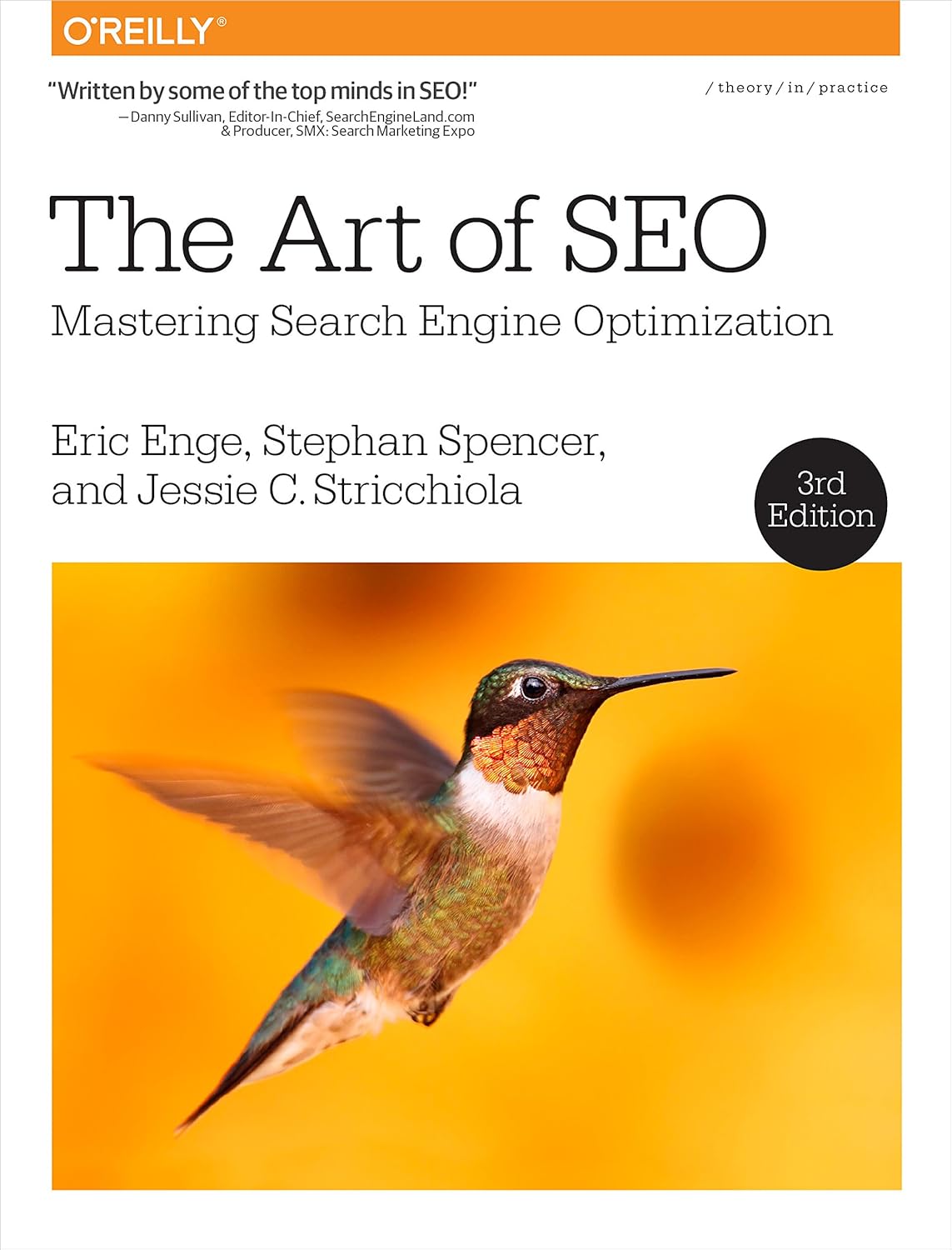
"The Art of SEO", Eric Enge, Stephan Spencer, Jessie Stricchiola
The definitive technical SEO reference, recently updated for 2024–2025 with explicit GEO and AEO chapters. Essential foundation reading even for teams primarily focused on AI search.

"Everybody Writes", Ann Handley
Handley's framework for content quality applies directly to GEO/AEO — AI engines preferentially cite well-written, well-structured content over keyword-stuffed alternatives. Required reading for content teams transitioning from traditional SEO patterns.
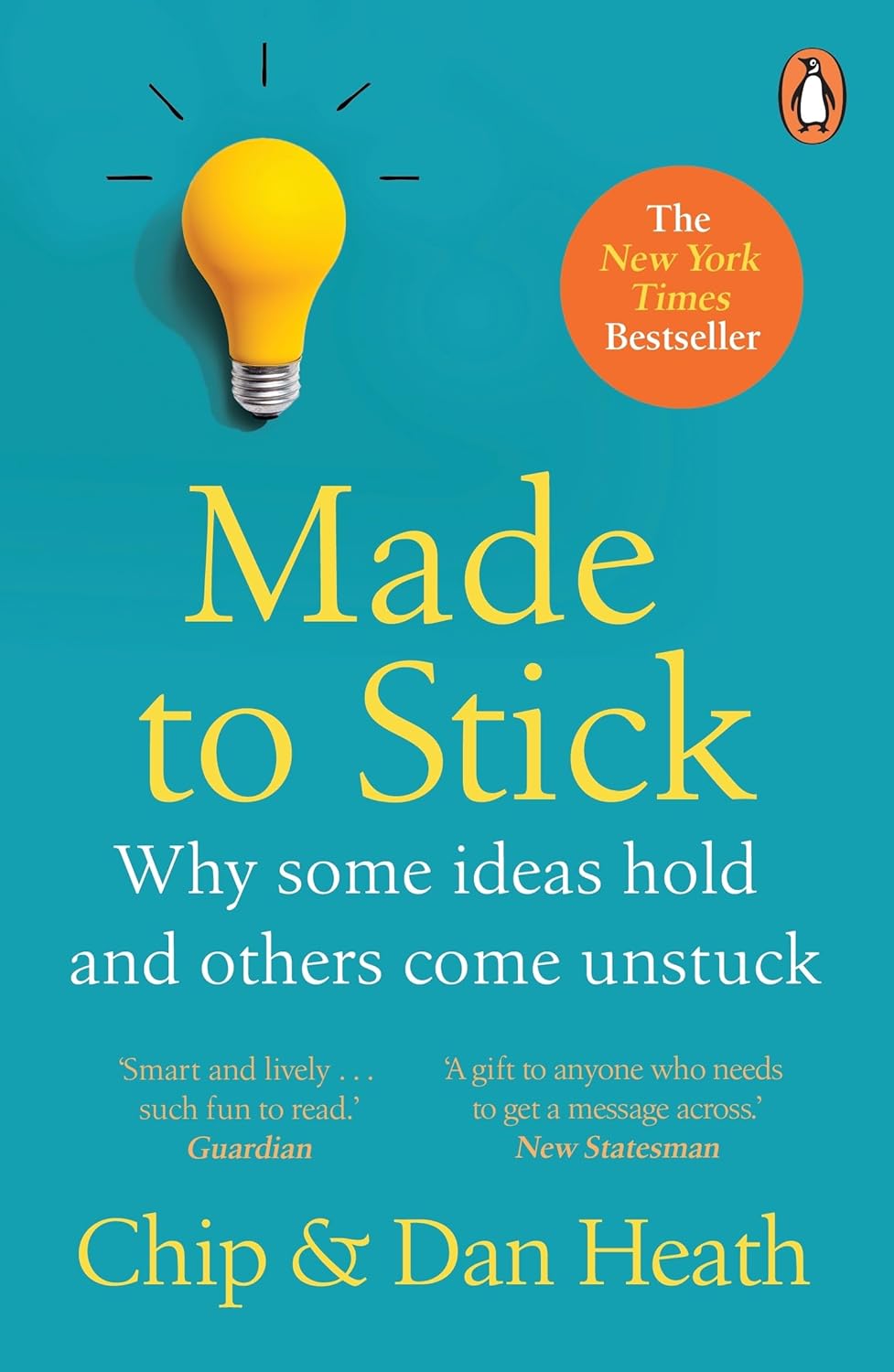
"Made to Stick", Chip Heath & Dan Heath
The Heaths' framework for memorable, sticky communication translates directly to GEO/AEO — content that gets cited by AI engines tends to share the same characteristics that make ideas stick: simple, unexpected, concrete, credible, emotional, and story-driven.
SEO is a 25-year-old discipline that just got an addendum it can't ignore. The brands optimizing only for Google in 2026 are like the ones who optimized only for desktop in 2014 — competent at yesterday's game while the actual game moves elsewhere.