


San Francisco MVP agencies understand startup constraints better than anyone — they've built hundreds of products for YC founders, seed-stage teams, and pre-revenue bootstrappers navigating 6-month runways and ruthless prioritization.
They know the difference between features that validate assumptions and features that burn capital.

TL;DR: Top MVP Development Agencies in San Francisco (2026)
For enterprise MVPs: ArcTouch, Thoughtbot, hedgehog lab.
For capital-efficient startups: Toimi, Rootstrap, Utility.
For design-led validation: IDEO, Dom & Tom.
For mobile-first products: MindSea, ArcTouch.
For flexible/on-demand: Gigster.
Budgets covered:
→ $50K–75K for rapid validation MVPs (8-12 weeks)
→ $75K–150K for production-grade builds (10-16 weeks)
→ $150K+ for complex platforms with enterprise requirements
Red flags: Agencies that don't challenge your feature list, propose 6-month timelines for MVPs, can't articulate validation metrics, or disappear post-launch.
Tip: SF's best MVP shops act more like advisors than vendors—they push back on scope, ask about your burn rate before discussing tech stack, and design for "works at 1,000 users" not "scales to 10 million."
Key takeaways👌
Scope cuts save money: Agencies that aggressively cut 60-70% of requested features deliver cheaper MVPs than those that build everything — because they prevent wasting capital on assumptions that don't need testing.
SF premium pays for speed: $150-$250/hour SF rates buy 8-10 week delivery versus 5-6 month offshore timelines — the opportunity cost of slow validation (missed fundraising windows, competitive timing) exceeds the hourly rate premium.
Post-launch matters most: The best agencies don't disappear after launch — they provide iteration support, knowledge transfer, and clean code that lets you hire engineers post-funding without expensive rewrites.
Startup-Ready Developers: From Y Combinator MVPs to $50k-$150k Budget Validation
Finding the right MVP development agency in San Francisco means matching your startup's stage, budget, and technical needs with an agency that's built hundreds of MVPs in similar circumstances — not choosing based on portfolio size or brand recognition.
Experienced MVP shops ask about your burn rate and runway before discussing features, challenge assumptions about what's truly "minimum" for validation, and push back when founders want to build for theoretical scale instead of current traction.
SF agencies charge $150-$250/hour versus $50-$100 offshore, but that premium buys three critical advantages: market context from building MVPs for your competitors, investor awareness of what Series A funders expect to see, and speed through experience that cuts 6-month offshore timelines to 8-10 weeks.
The agencies below represent the top MVP development partners in San Francisco for startups with $50k-$150k budgets, ranked by their ability to deliver capital-efficient validation. The ranking weighs four factors equally:
- Speed to first validation (weeks, not months)
- Capital efficiency (maximizing runway)
- Post-launch support (avoiding the "launch and ghost" pattern)
- Founder references (verified through direct outreach, not curated testimonials)
This isn't a comprehensive list of every SF dev shop — it's a curated ranking of agencies that specifically understand early-stage startup constraints and have repeatedly proven they can ship MVPs that validate assumptions without burning runway.
The only way to win is to learn faster than anyone else.
— Eric Ries, Author of The Lean Startup
Why San Francisco MVP Agencies Command Premium Rates (And When It's Worth It)
San Francisco MVP development agencies charge $150-$250/hour versus $50-$100 for offshore alternatives, creating a 2-3x cost premium that makes many founders immediately look elsewhere. The math seems simple: why pay $120k for an SF agency when an Eastern European team quotes $40k for "the same MVP"?
The hidden reality: The answer reveals itself 3-4 months into development when the $40k offshore team is stuck in endless revision cycles trying to understand your market, your users, and the unspoken context that SF agencies absorb through osmosis from building hundreds of similar products.
True cost of offshore development:
- 6-9 month timeline that burns runway while competitors ship
- Technical debt from developers who've never scaled a product past MVP
- Opportunity cost of missing your fundraising window because your MVP looks like a student project instead of a fundable company
Three mechanisms where SF agencies deliver value offshore teams can't replicate:
- Market context: They've built MVPs for your competitors and understand your category's specific technical and UX patterns
- Investor awareness: They know what Series A investors expect to see in an MVP because they work with portfolio companies daily
- Speed through experience: An SF agency that's built 200 MVPs can identify scope creep and cut non-essential features in week one, while offshore teams build everything the founder requests and deliver an over-engineered product 4 months late
The real math: The $120k SF MVP that ships in 10 weeks and secures $2M seed funding costs less than the $40k offshore MVP that takes 8 months, misses the fundraising window, and forces the founder to bootstrap for another year while competitors scale.
Decision framework: Speed versus cost
Choose SF agencies when:
- You have 4-6 months of runway and need to validate quickly before next fundraise
- You're entering a competitive category where being 3 months late means losing
- Your MVP is your primary fundraising tool (needs investor-grade polish)
- You're a non-technical founder who needs hands-on guidance beyond just writing code
Choose offshore when:
- You have 12+ months runway and can afford longer timelines
- You have strong technical leadership in-house who can manage remote teams
- Your MVP is purely technical validation, not fundraising/customer tool
- You're building in a category where speed-to-market matters less than cost conservation
The pattern most YC startups follow: Choose SF agencies for their first MVP, then transition to distributed teams post-seed when they can hire technical leadership—because the opportunity cost of slow MVP development exceeds the premium paid for SF expertise.
Understanding web development fundamentals helps founders evaluate agencies beyond hourly rates and focus on delivered value.
The $75k Decision: SF Agency in 10 Weeks vs Offshore Team in 6 Months
The brutal trade-off: $75k with a San Francisco agency delivering MVP in 8-12 weeks, or $25k-$35k with an offshore team promising the same deliverable in 12-20 weeks. The offshore quote looks financially prudent — why pay 2-3x more for a similar timeline?
The reality emerges in week 8 when the SF agency is user-testing a functional MVP while the offshore team is still asking basic questions about user flows and requesting more detailed specs.
Hidden costs of offshore development:
- 4-6 additional weeks for iterations and refinements (adding $8k-$15k, pushing timeline to 5-6 months)
- Ongoing communication overhead averaging 10-15 hours per week for founders (opportunity cost of not focusing on customers/fundraising)
- Technical debt requiring $40k-$60k to fix before Series A when investors demand production-ready code
True all-in cost: The "$25k offshore MVP" becomes $60k-$80k plus 5-6 months — roughly equivalent to SF pricing but with 2x timeline
Opportunity cost breakdown (the less obvious expense):
An SF agency shipping in 10 weeks means:
- You can launch, gather user feedback, and pivot in time for next YC batch (vs missing the cycle)
- You can present a working MVP to investors during your fundraising window (vs pitching wireframes)
- You maintain 3-4 months additional runway for validation before needing your next fundraise (vs burning half your runway on development)
Concrete example:
Founder A: Pays SF agency $75k for 10-week MVP → launches in month 3 → iterates based on feedback → raises $2M seed in month 6 with traction data
Founder B: Pays offshore team $30k for "similar MVP" → gets first working version in month 5 after revisions → discovers users don't want the product → runs out of runway before pivot
Result: Founder A's MVP cost 2.5x more but delivered 3x faster validation and unlocked $2M — the "expensive" choice was actually 10x cheaper when accounting for outcomes
Decision framework:
Choose SF agency when: Your primary constraint is time (sub-6 month runway, competitive pressure, or fundraising deadline) and you need guaranteed delivery by a specific date
Choose offshore when: Your primary constraint is capital (pre-revenue, bootstrapped, or building in spare time without an external deadline) and you can absorb timeline risk
The nuance most founders miss: Offshore teams quote cheaply because they're building exactly what you specify, while SF agencies cost more because they're challenging your assumptions and cutting scope — the "expensive" agency often delivers a cheaper MVP because they prevent you from building unnecessary features. Pay for the judgment and pattern recognition, not just the code.
Through our B2B software development practice, we help founders distinguish between features that validate assumptions versus features that satisfy founder preferences.

Building an MVP is like packing for a backpacking trip — amateurs bring everything "just in case" and quit by day two, while experienced hikers cut 60% of the weight and actually finish the trail. The expensive guide who dumps your extra gear costs less than the cheap porter who carries everything you asked for, because reaching the destination matters more than bringing everything you thought you needed. Understanding what actually drives development costs helps founders distinguish between paying for features versus paying for validation.
What "MVP-Ready" Actually Means for SF Startups
Most founders misunderstand "minimum viable product" — they treat it as "minimum feature set we can stomach launching" rather than "minimum experiment to test riskiest assumption." This definitional confusion causes the most common MVP failure: building 6-month products when 6-week experiments would suffice.
What MVP-ready founders bring to agency kickoff:
|
What They Have |
What They Don't Have |
|
One sentence describing the riskiest assumption they're testing |
A feature list |
|
Target validation metric with a specific number |
"See if people like it." |
|
30-60 day timeline forcing brutal prioritization |
"Let's build it right the first time" |
|
$50k-$100k budget constraint preventing scope creep |
"We can add budget if needed" |
These constraints aren't limitations — they're the forcing functions that create actual MVPs instead of feature-bloated V1s that never launch.
The SF agency advantage in action:
Founder says: "I want to build a marketplace connecting X with Y."
SF agency responds: "Before building two-sided marketplace, let's validate supply side with Airtable + Typeform for 3 weeks and $0 tech cost."
This response pattern — pushing back on building, suggesting no-code validation first—signals actual MVP thinking versus "we bill hourly, so let's build something."
Five diagnostic questions MVP-ready agencies ask before proposing scope:
- What assumption, if proven wrong, would kill this business?
- What's the cheapest way to test that assumption?
- Do you need to build anything or can you validate manually first?
- If you must build, what's the one workflow that tests the assumption?
- What metric would convince you that the assumption is true/false?
Agencies that skip straight to "here's our tech stack recommendation" aren't MVP-ready — they're hourly billing machines.
Litmus test for MVP-ready founders:
Can you articulate your riskiest assumption in one sentence without mentioning features?
|
Strong Example |
Weak Example |
|
"B2B buyers will pay $500/month for a tool that reduces manual process from 6 hours to 30 minutes" (tests pricing and value prop) |
"Doctors need a better way to communicate with patients" (no testable hypothesis, just vague problem) |
What you're really paying for:
SF agencies worth their rate will challenge weak assumptions before writing code, saving founders from building solutions to imaginary problems. This advisory role — distinguishing validated problems from founder hypotheses — justifies premium pricing more than technical execution. You're not paying $200/hour for React developers; you're paying for pattern recognition from shipping 300 MVPs and knowing which assumptions actually need testing versus which ones are obvious founder blind spots.
Understanding API development principles helps founders design MVPs that can scale without complete rewrites when validation succeeds.
If you're not embarrassed by the first version of your product, you've launched too late.
— Reid Hoffman, Co-founder of LinkedIn
Rankings
1. ArcTouch — Enterprise MVP Specialists
Overview
ArcTouch has spent 15+ years building mobile and web applications for Fortune 500 companies and venture-backed startups, delivering over 500 products used by hundreds of millions globally. Founded in 2008 at the dawn of mobile app revolution, they've evolved from pure mobile shop to full-stack product agency covering strategy, UX/UI design, native iOS/Android development, web platforms, and connected experiences.
Acquired by WPP's AKQA in 2016, ArcTouch maintains a boutique agency culture while offering enterprise-scale resources — critical for startups that need production-grade infrastructure from day one rather than rebuilding at Series A.
Specializations
Mobile-first MVP development (native iOS/Android, Flutter, React Native), connected product integration (IoT, wearables, smart devices), AR/VR experiences for enterprise applications, accessibility-first design meeting WCAG standards, and AWS/Azure cloud architecture for scalable backends.
Their enterprise client base (Audi, Hawaiian Airlines, Honeywell) means they build MVPs with production-ready infrastructure rather than prototype code requiring rewrites later.
Pros
- Production-grade from start: Enterprise experience means MVPs are built with proper architecture, security, and performance — critical for B2B startups selling to corporate buyers who demand compliance and reliability
- Mobile expertise: 15 years of iOS/Android development translates to knowing platform-specific UX patterns and avoiding common mobile pitfalls that cause app store rejections
- Design-led process: Strong UX/UI capabilities ensure MVP looks investor-ready, not prototype-rough — important for fundraising and customer acquisition
- Post-launch support: Acquired by AKQA provides long-term stability and ongoing maintenance capabilities, versus disappearing after launch
Best fit for
- B2B SaaS startups selling to enterprise buyers (need compliance, security, scalability from MVP)
- Mobile-first products requiring native app performance (not web wrappers)
- Hardware/IoT startups needing connected device integration
- Startups with $100k+ MVP budgets valuing production-quality over rapid prototyping
Through our online services development, we help startups build SaaS products that scale from MVP to enterprise without architectural rewrites.
2. Thoughtbot — Developer-First Agile Process
Overview
Founded in 2003, Thoughtbot has built 1,000+ products for startups and enterprises using design sprints, lean methodology, and agile development cycles. With offices in San Francisco, Boston, NYC, Austin, and Raleigh, they maintain a distributed team structure while offering hands-on founder collaboration. Known in the developer community for open-source contributions (Factory Bot, Bourbon, Clearance), they attract senior engineers who care about code quality and maintainability — critical for startups that will grow engineering teams post-funding and need a clean codebase.
Specializations
Ruby on Rails web applications, React/React Native for web and mobile, design sprints for rapid prototyping and validation, human-centered design process ensuring user-friendly products, and agile methodology with weekly iterations allowing continuous founder feedback. Their consultative approach means they challenge assumptions and refine business models beyond just executing specs.
Pros
- Design sprint validation: Week-long design sprints test assumptions before writing code, preventing $50k mistakes from building the wrong product
- Developer-friendly code: Clean, documented, tested code makes hiring engineers easier post-MVP — investors appreciate inheriting a maintainable codebase
- Iterative process: Weekly sprints with continuous deployment mean founders see progress constantly and can course-correct mid-project
- Technical leadership: Senior developers who've built hundreds of MVPs can architect for growth without over-engineering — balancing "good enough" with "won't break at scale"
Best fit for
- Technical founders who value clean code and want to hire an engineering team post-funding (need a maintainable codebase)
- Startups needing design sprint validation before committing to full build (testing assumptions cheaply)
- Rails/React shops seeking agencies fluent in their stack (seamless collaboration and knowledge transfer)
- Founders want a consultative partner who challenges assumptions rather than just executing specs
Understanding corporate website development helps B2B startups create professional presence alongside an MVP product.
3. Toimi — Capital-Efficient Technical Founder Focus
Overview
Toimi specializes in helping technical founders and early-stage startups build MVPs that maximize runway and validate assumptions without burning capital on unnecessary features. Unlike agencies optimized for enterprise clients or VC-backed growth-stage companies, Toimi's process is designed around startup constraints: limited budgets ($50k-$150k typical MVP range), short timelines (8-12 weeks target delivery), and need for capital efficiency over feature completeness.
The team consists of senior developers who've built their own startups and understand the difference between features that validate business assumptions versus features that satisfy founder preferences.
Specializations
Full-stack web development (React, Node.js, Python/Django), modern SaaS architecture (AWS, serverless, API-first design), marketplace platforms with transaction workflows and payment processing, B2B tools requiring enterprise integrations and security compliance, and technical advisory for non-technical founders who need guidance on architecture decisions and tech stack selection.
The focus is building MVPs that can scale to Series A without complete rewrites while avoiding premature optimization that wastes runway.
Pros
- Capital efficiency focus: Every feature decision is evaluated against "does this test an assumption or burn runway?" rather than "would this be nice to have"—resulting in leaner MVPs that ship faster and cost less
- Technical founder communication: Team speaks founder language (talking about user problems and business metrics) and developer language (discussing architecture and trade-offs), bridging the communication gap that many agencies struggle with
- Post-MVP roadmap planning: Helps founders plan which features to build next based on traction data rather than original assumptions, preventing the common mistake of building the wrong features after validation
- Flexible engagement models: Offers both fixed-price projects (for budget certainty) and ongoing retainers (for iterative development post-launch), adapting to the startup's changing needs
Best fit for
- Technical founders who want partner-level collaboration, not just code execution
- Startups with $50k-$100k budgets requiring capital-efficient MVP delivery
- B2B SaaS products needing enterprise-grade security and compliance from the start
- Founders who've been burned by offshore agencies and need a US-based team with startup experience
Extended capabilities
Beyond MVP development, Toimi provides ongoing maintenance, feature iteration based on user feedback, technical hiring support to help founders build in-house teams post-funding, and fractional CTO advisory for non-technical founders navigating technical decisions.
This continuity prevents the common pattern where agencies launch MVP then disappear, leaving founders unable to iterate quickly as they learn from users.
The Toimi approach differs from traditional agencies in three ways:
(1) We challenge feature requests and push back when founders want to build for imaginary scale rather than current validation needs
(2) We design architecture that balances "ships in 8 weeks" with "doesn't require rewrite at 10,000 users," avoiding both prototype code that breaks immediately and over-engineered systems that take 6 months
(3) We transfer knowledge throughout the project rather than creating dependency, ensuring founders can hire engineers post-funding without needing us to maintain the codebase forever.
Recent MVP projects include B2B marketplace connecting enterprise buyers with specialized service providers (launched in 9 weeks, $85k budget, achieved first $50k GMV within 60 days), SaaS analytics tool for niche vertical market (8-week build, $65k budget, converted first 3 pilot customers to paid within launch month), and compliance software for regulated industry requiring HIPAA security controls (12-week timeline, $120k budget, passed security audit from Fortune 500 customer before public launch). The pattern across successful projects: founders who could articulate their riskiest assumption, accepted aggressive scope cuts to ship quickly, and committed to iterating based on user data rather than original vision.
Through our SEO services and site structure optimization, we help startups build technical foundations for organic growth alongside paid acquisition.
4. IDEO — Design-Led Innovation Consulting
Overview
IDEO pioneered human-centered design and design thinking methodology, working with organizations to solve complex problems through iterative prototyping and user research. With 500+ staff across global offices, including San Francisco, they bring multidisciplinary teams (designers, engineers, behavioral scientists, business strategists) to tackle innovation challenges beyond just software development.
While not a traditional dev shop, IDEO's MVP work focuses on minimum viable organization (MVO) concepts—testing business model assumptions and organizational structures alongside product features.
Specializations
Design thinking workshops and innovation sprints, organizational design for startups (team structure, culture, operating models), rapid prototyping and user testing without writing production code, behavioral science application to product design, ensuring user adoption, and strategic consulting on business model validation. IDEO treats MVP as a business model test, not just a feature set.
Pros
- Business model focus: Helps founders test whether the business model works before building technology, preventing the common mistake of building a great product that nobody will pay for
- User research depth: Extensive user interviewing and observation reveal insights offshore agencies miss, leading to MVPs that solve real problems, not imagined ones
- Prototyping expertise: Can test product concepts with clickable prototypes and manual processes before writing code, validating assumptions at a fraction of development cost
- Organizational design: Helps founders structure teams and culture for scaling, complementing product development with organizational readiness
Best fit for
- Founders need to validate the business model before committing to the technology build
- Complex problem spaces requiring deep user research and behavioral insights
- Startups where the product is inseparable from service/operations (marketplaces, platforms with manual components)
- Organizations undergoing digital transformation needing innovation process beyond just software
Understanding account-based website strategies helps B2B startups personalize experiences for enterprise buyers.
5. Gigster — AI-Powered On-Demand Development
Overview
Founded in 2014 as a Y Combinator company, Gigster pioneered an on-demand software development model matching startups with pre-vetted developers through an AI-powered project management platform. Acquired by Virtasant in 2024, they maintain a marketplace model while adding cloud optimization services.
The approach differs from traditional agencies: instead of a dedicated team, you get matched with developers from a network of 400+ engineers, with AI PM providing weekly updates and coordinating workstreams.
This distributed model enables flexible scaling and cost optimization but requires more founder involvement than the turnkey agency model.
Specializations
On-demand software development across web, mobile, and cloud platforms, AI/ML integration and custom model development, cloud infrastructure optimization (AWS, Azure, GCP), distributed team coordination with AI-powered project management, and flexible engagement allowing rapid scaling up/down based on needs.
Pros
- Cost flexibility: Pay for engineering time needed rather than fixed agency overhead, allowing startups to scale budget with funding milestones
- Rapid team assembly: Can spin up a development team within days rather than weeks of agency sales cycles, critical for time-sensitive launches
- Broad technical expertise: Network model provides access to specialists (ML engineers, DevOps, security) without the agencies' "generalist doing everything" problem
- Y Combinator pedigree: Understands startup constraints and fundraising timelines from being a YC company themselves
Best fit for
- Startups needing flexible development capacity that scales with funding (build faster after raising, conserve burn rate in between)
- Technical founders are comfortable managing distributed teams and providing detailed direction
- Projects requiring specialized expertise (ML, blockchain, complex integrations) beyond typical agency capabilities
- Rapid prototyping where speed of team assembly matters more than long-term team cohesion
6. Hedgehog Lab — Global Digital Product Consultancy
Overview
With 15+ years of building digital products globally, Hedgehog Lab combines UX research, UI/UX design, engineering, cloud infrastructure, and data science into integrated product teams. Unlike pure-play dev shops, they lead with research and perspective; running discovery phases to understand business priorities and user needs before proposing solutions.
Their global presence (UK, US, Europe) enables follow-the-sun development while maintaining a collaborative culture through emphasis on team integration and knowledge transfer.
Specializations
MVP-driven development using a minimum viable product approach to reduce time-to-market, UX research and user testing informing design decisions, cloud-native architecture on AWS/Azure/GCP for scalable infrastructure, AI/ML capabilities including generative AI integration, and digital transformation consulting for organizations adopting new technologies.
Pros
- Research-driven process: The discovery phase prevents building the wrong product by validating assumptions before coding starts
- Perspective workshops: Dedicated sessions to align stakeholders on business priorities and success metrics, reducing mid-project scope changes
- Global delivery model: Follow-the-sun development accelerates delivery while maintaining cost efficiency through distributed teams
- Long-term partnership: Emphasizes knowledge transfer and client capability building, not creating vendor dependency
Best fit for
- Startups need research and discovery to validate assumptions before committing to building
- International companies requiring global presence and timezone coverage
- Organizations building AI-powered products require ML expertise alongside development
- Founders wanting consultative partner focused on strategic outcomes not just deliverables
7. Rootstrap — Lean Startup Methodology Experts
Overview
Rootstrap applies lean startup methodology and agile practices to build MVPs for startups and enterprises, with a focus on rapid iteration and data-driven decision making. Founded by entrepreneurs who've built and exited startups themselves, they understand the founder perspective on capital efficiency, runway management, and the pressure to validate quickly.
Their process emphasizes weekly demos, continuous deployment, and pivot-readiness, building MVPs that can adapt based on user feedback without throwing away prior work.
Specializations
Lean startup methodology application to product development, full-stack development across React, Ruby on Rails, React Native for web and mobile, growth engineering focusing on metrics that matter (activation, retention, revenue), A/B testing infrastructure for data-driven iteration, and startup advisory helping founders make strategic product decisions.
Pros
- Founder-centric process: Built by former startup founders who understand the urgency of validation and the consequences of burning runway on wrong features
- Metrics focus: Instruments MVPs with analytics from day one, enabling data-driven decisions rather than founder intuition
- Pivot support: Architecture and process designed for rapid iteration, allowing startups to pivot based on learnings without complete rebuilds
- Growth expertise: Beyond just building MVP, helps founders think about growth loops and activation funnels from start
Best fit for
- Startups committed to lean methodology and willing to cut scope aggressively for fast validation
- Founders who've read "Lean Startup" and want an agency that actually practices those principles
- Products where growth and retention metrics are critical to validation (not just "does it work")
- Technical products requiring full-stack capabilities (web + mobile + backend)
8. Dom & Tom — Full-Stack Product Development
Overview
Dom & Tom delivers end-to-end product development from strategy through design, engineering, and post-launch growth for startups and enterprises.
With presence in NYC, Chicago, and Los Angeles (not SF-specific but serving SF clients), they position themselves as a full-stack partner handling everything required to bring a product to market, eliminating need to coordinate multiple vendors for design, development, and marketing. Their approach emphasizes integrated teams where strategists, designers, and engineers collaborate from kickoff through launch.
Specializations
Product strategy and roadmap planning, UX/UI design with user research and testing, full-stack development (web, iOS, Android), digital marketing and growth services post-launch, and ongoing product iteration based on user data and business metrics.
Pros
- Full-service offering: Single vendor for strategy, design, development, and growth eliminates coordination overhead and "not my job" finger-pointing
- Integrated teams: Strategists and designers embedded with engineers ensure solutions are feasible and aligned with business goals
- Post-launch support: Growth services and ongoing iteration prevent the common "launch then ghost" pattern where agencies disappear after delivery
- Enterprise experience: Working with large organizations means understanding compliance, security, and scalability requirements
Best fit for
- Founders wanting a single partner for the entire product lifecycle (strategy through growth)
- Startups needing post-launch marketing and growth support alongside technical development
- Products requiring design differentiation and brand identity work beyond just engineering
- Organizations prefer integrated teams over coordinating multiple specialist vendors
9. Utility — Rapid Prototyping & Validation
Overview
Utility focuses on rapid prototyping and concept validation for early-stage startups, emphasizing speed and capital efficiency over feature completeness. Their process starts with 2-4 week design sprints producing clickable prototypes for user testing, followed by 6-10 week MVP builds implementing only validated concepts. By front-loading validation through prototypes rather than jumping straight to code, they reduce the risk of building products users don't want—a critical advantage for capital-constrained startups.
Specializations
Design sprints and rapid prototyping without code, user testing and validation before development starts, lean MVP development building only validated features, iterative design process allowing mid-project course corrections, and founder education on product development best practices.
Pros
- Validation-first approach: Prototypes and user tests before coding ensure building the right product, reducing expensive pivots mid-development
- Speed emphasis: Optimized for fast delivery (8-12 weeks typical MVP timeline), matching startup urgency and runway constraints
- Capital efficiency: Front-loading cheap prototyping reduces the risk of expensive code rewrites when assumptions prove wrong
- Founder education: Teaches product development thinking rather than just delivering code, building internal capability
Best fit for
- First-time founders lacking product development experience who need guidance beyond just engineering
- Startups with unvalidated assumptions needing testing before committing the full MVP budget
- Capital-constrained bootstrappers requiring maximum efficiency and minimal waste
- Products where UX and design are primary differentiators (consumer apps, design-forward B2B tools)
10. MindSea — Mobile-First MVP Development
Overview
MindSea specializes in mobile application development for iOS and Android, with a focus on startups building mobile-first or mobile-only products. Unlike web-first agencies that treat mobile as an afterthought, MindSea's entire process is optimized for mobile constraints and opportunities—understanding platform-specific UX patterns, app store optimization, push notifications, and mobile-specific performance requirements.
Their client base includes startups that raised funding based on MindSea-built MVPs, demonstrating their ability to create investor-ready mobile products.
Specializations
Native iOS and Android development using Swift and Kotlin, cross-platform development with Flutter and React Native when appropriate, mobile UX design following platform guidelines (iOS Human Interface, Material Design), mobile backend architecture and API development, and app store optimization and launch strategy.
Pros
- Mobile expertise: Deep platform knowledge ensures MVPs feel native and polished, not web wrappers that compromise UX
- App store success: Experience with hundreds of launches means understanding of review guidelines and optimization tactics
- Performance focus: Mobile-first architecture ensures responsive, battery-efficient apps critical for retention
- Platform-specific design: Separate iOS and Android designs, respecting platform conventions rather than lowest-common-denominator compromise
Best fit for
- Mobile-first startups where the app is the primary product (not a companion to a web product)
- Consumer products requiring platform-specific polish and performance for app store success
- Startups targeting mobile-native demographics (Gen Z, emerging markets with mobile-first internet access)
- Products leveraging mobile-specific capabilities (camera, location, notifications, biometrics)

Want to know more about how to secure your freshly baked website? Check out our article on Website Security and find out more!
Selection Guide: Matching Your Startup to the Right SF MVP Agency
Choosing an MVP agency based on portfolio impressiveness or founder reputation misses the critical selection factor: does this agency's strength match your startup's specific constraint? The $150k agency optimized for enterprise MVPs will over-engineer your pre-seed validation experiment, while the $50k rapid prototyping shop can't deliver the production-grade infrastructure you need for Series A customer acquisition.
The pattern that fails: founders selecting agencies that built impressive products for well-funded startups at different stages, then wondering why their pre-seed MVP cost $200k and took 6 months when they needed $60k validation in 10 weeks.
The pattern that works: matching agency capabilities to your current constraint (time, capital, or quality), your founder skillset (technical versus non-technical), and your product category (B2B enterprise, consumer mobile, marketplace/platform).
The selection framework below provides three decision layers for choosing the right agency:
First, match the agency to your funding stage and primary constraint (pre-seed founders optimizing for capital efficiency need different agencies than Series A companies optimizing for enterprise readiness).
Second, identify red flags indicating agencies that market themselves as "startup-friendly" but operate like traditional enterprise dev shops (accepting bloated feature lists without pushback, proposing waterfall timelines, disappearing post-launch).
Third, ask diagnostic questions revealing whether agency actually understands MVP methodology versus just building small versions of enterprise products. Most founders skip straight to pricing comparison and timeline estimates, missing the strategic fit assessment that determines whether $75k spent with right agency delivers more value than $40k spent with wrong one.
The counterintuitive insight: the "expensive" agency that aggressively cuts your scope, challenges your assumptions, and refuses to build unnecessary features often costs less than the "cheap" agency that builds everything you request; because they prevent you from wasting capital on features that don't validate assumptions.
The agency worth $200/hour tells you "don't build this yet, test with manual process first" and saves you $40k. The agency charging $80/hour builds what you ask for and delivers an $80k product that proves nothing because core assumptions were never tested. Price and value are different variables, and MVP selection requires optimizing for value (validated learning per dollar spent) not price (lowest hourly rate or total project cost).
Matching Your Startup Stage to Agency Strengths
Pre-seed / Idea stage ($0-$500k raised)
You need maximum capital efficiency and validation before committing large budgets. Prioritize agencies emphasizing: design sprints and prototyping before code (IDEO, Utility), lean methodology with aggressive scope cutting (Rootstrap, Toimi), and flexible pricing allowing phased investment (Gigster, MindSea). Avoid agencies optimized for enterprise scale (ArcTouch) or fixed-price projects requiring full budget upfront—you need the ability to test assumptions cheaply and pivot without burning the entire raise.
Seed stage ($500k-$2M raised)
You have validated the problem and need a production-quality MVP for customer acquisition and Series A fundraising. Prioritize agencies offering: investor-ready polish and production infrastructure (ArcTouch, Thoughtbot), post-launch iteration support (Dom & Tom, Toimi), and developer-friendly code enabling team building post-funding (Thoughtbot, Toimi). Budget allows proper development ($75k-$150k) so focus on quality and future-proofing rather than minimum cost.
Series A / Growth stage ($2M+ raised)
You're scaling a validated product and need agencies that: integrate with existing engineering teams (Thoughtbot, ArcTouch), provide specialized expertise your team lacks (Gigster for ML/blockchain, Hedgehog Lab for research), and deliver enterprise-grade features for upmarket customers (ArcTouch, Dom & Tom). At this stage, pure MVP shops are a wrong fit—you need product development partners who can enhance the existing codebase rather than starting from scratch.
Interesting fact 👀
According to CB Insights' analysis of 101 startup failures, 42% of startups fail because there's no market need for their product — they built solutions to problems that didn't exist or couldn't validate demand before burning through capital.
The average failed startup spent 6-9 months and $150k-$300k building full products before discovering the market didn't want them. In contrast, startups that shipped MVPs in under 12 weeks and validated core assumptions had a 68% higher survival rate at the 18-month mark, proving that fast, cheap validation beats comprehensive builds every time.
Red Flags Indicating Agency Isn't Actually MVP-Focused
They don't challenge your feature list
Real MVP agencies push back on founder feature requests and ask "what assumption does this test?" If the agency accepts your 30-feature list and quotes timeline/budget without challenging scope, they're hourly billing shop not MVP partner. Strong signal: agency cuts your feature list by 60-70% in kickoff meeting.
They can't articulate validation metrics
If agency discussion focuses on "we'll build X, Y, Z features" without mentioning how you'll measure success, they don't understand the MVP purpose. Real MVP shops ask "what metric would convince you this is working?" and build instrumentation for measurement into the product. Look for agencies that discuss analytics, A/B testing, and user feedback collection as core MVP features.
They propose a waterfall process with big reveal
MVPs require continuous iteration and weekly demos, allowing course correction. If agency proposes "we'll show you a completed MVP in month 3," run away—you need visibility into progress and the ability to adjust based on learnings. Strong agencies propose weekly or bi-weekly demos with working software (even if incomplete) from week 2 onward.
They don't mention post-launch
Agencies disappearing after launch leave founders unable to iterate based on user feedback — precisely when iteration matters most. If contract discussion focuses entirely on "launch deliverables" without mentioning post-launch support, expect to be abandoned. Look for agencies proposing ongoing retainers, maintenance plans, or transition support for hiring an internal team.
They can't reference similar MVPs
Agencies claiming "we can build anything" without showing a track record of similar MVPs in your category lack pattern recognition that prevents common mistakes. Ask for 3-5 references from founders who built MVPs in similar markets (B2B SaaS, marketplace, fintech, etc.) and verify that those founders were satisfied. A generic web development portfolio is different from an MVP-specific experience.
Questions to Ask Before Signing the Contract
Process and timeline questions:
- How many MVPs have you built in the past 12 months? (Look for 10+ to indicate this is their core business)
- What's your typical timeline from contract to launch? (8-12 weeks is appropriate; 20+ weeks indicates they're treating this like enterprise project)
- How often will we see working software? (Weekly or bi-weekly demos are standard; monthly is too infrequent)
- What happens if assumptions prove wrong mid-project? (Should have process for pivoting without restarting from scratch)
Technical and handoff questions:
- Will we own all code and intellectual property? (Must be yes with no strings attached)
- Can we hire engineers post-launch without needing you? (Codebase should be standard, documented, testable, not a proprietary mess)
- What happens if you're unavailable post-launch? (Should provide code documentation and architecture overview enabling any competent developer to work with it)
- How do you handle technical debt? (Should explicitly discuss trade-offs between "ships quickly" and "maintainable long-term")
Cost and flexibility questions:
- Is pricing fixed or time-and-materials? (Fixed de-risks budget; T&M allows flexibility. Both are valid depending on the uncertainty level)
- What's included in quote vs additional cost? (Clarify whether hosting, third-party services, design assets are separate line items)
- How do you handle scope changes? (Should have clear process for change requests with pricing transparency)
- What payment schedule do you require? (50% upfront / 50% at launch is standard; 100% upfront is red flag)
Reference and validation questions:
- Can you provide 3 founder references for similar MVPs? (Must be willing to connect you with recent clients, not just curated testimonials)
- What happened to those MVPs post-launch? (Strong signal if agency can speak to which ones raised funding, which pivoted, which shut down — shows they stay connected)
- What's your typical time-to-first-revenue for MVPs? (Should know industry benchmarks and be able to articulate realistic expectations)
- Have any MVPs you built failed, and why? (Honesty about failures more valuable than 100% success claims — shows self-awareness)
Through our maintenance and support services, we provide ongoing iteration support ensuring founders can validate and pivot based on real user data.
Summary
Which SF MVP agency should you choose?
Choose based on your primary constraint + product category.
The best agency is the one optimized for your current stage: speed, capital efficiency, enterprise readiness, or validation.
Quick picks (by need):
- Enterprise-grade MVPs: ArcTouch, Thoughtbot, hedgehog lab
- Capital-efficient startups: Toimi, Rootstrap, Utility
- Design-led validation: IDEO, Dom & Tom
- Mobile-first products: MindSea, ArcTouch
- Flexible / on-demand: Gigster
How to choose (fast framework):
Primary constraint:
- Time (sub-6 month runway) → Utility, Rootstrap, Toimi
- Capital (pre-revenue, bootstrapped) → Gigster, MindSea, Toimi
- Quality (enterprise buyers, fundraising tool) → ArcTouch, Thoughtbot, hedgehog lab
Founder experience:
- Non-technical → Consultative partners (IDEO, Toimi, Utility)
- Technical → Execution partners (Thoughtbot, ArcTouch, Rootstrap)
Product category:
- B2B enterprise → ArcTouch, Dom & Tom, Toimi
- Consumer mobile → MindSea, ArcTouch, hedgehog lab
- Marketplace/platform → Toimi, Thoughtbot, Rootstrap
Budget ranges (typical):
- $50K–75K: rapid validation MVPs (8–12 weeks)
- $75K–150K: production-grade builds (10–16 weeks)
- $150K+: complex platforms with enterprise requirements
Red flags to avoid:
- Doesn’t cut scope (60–70%) and just accepts your feature list
- Can’t define validation metrics or an analytics plan
- Proposes waterfall delivery with a “month-3 reveal” instead of weekly demos
- Talks only about launch deliverables and ignores post-launch iteration
- Can’t provide 3+ recent founder references from similar MVPs
SF vs offshore reality:
SF agencies charge $150–$250/hour versus $50–$100 offshore, but “savings” often disappear after you factor in timeline risk, revision cycles, and missed fundraising windows.
Post-launch matters:
Choose teams that support iteration, transfer knowledge, and leave you with clean, documented code — so you can hire in-house engineers post-funding without expensive rewrites.
Recommended reading 🤓
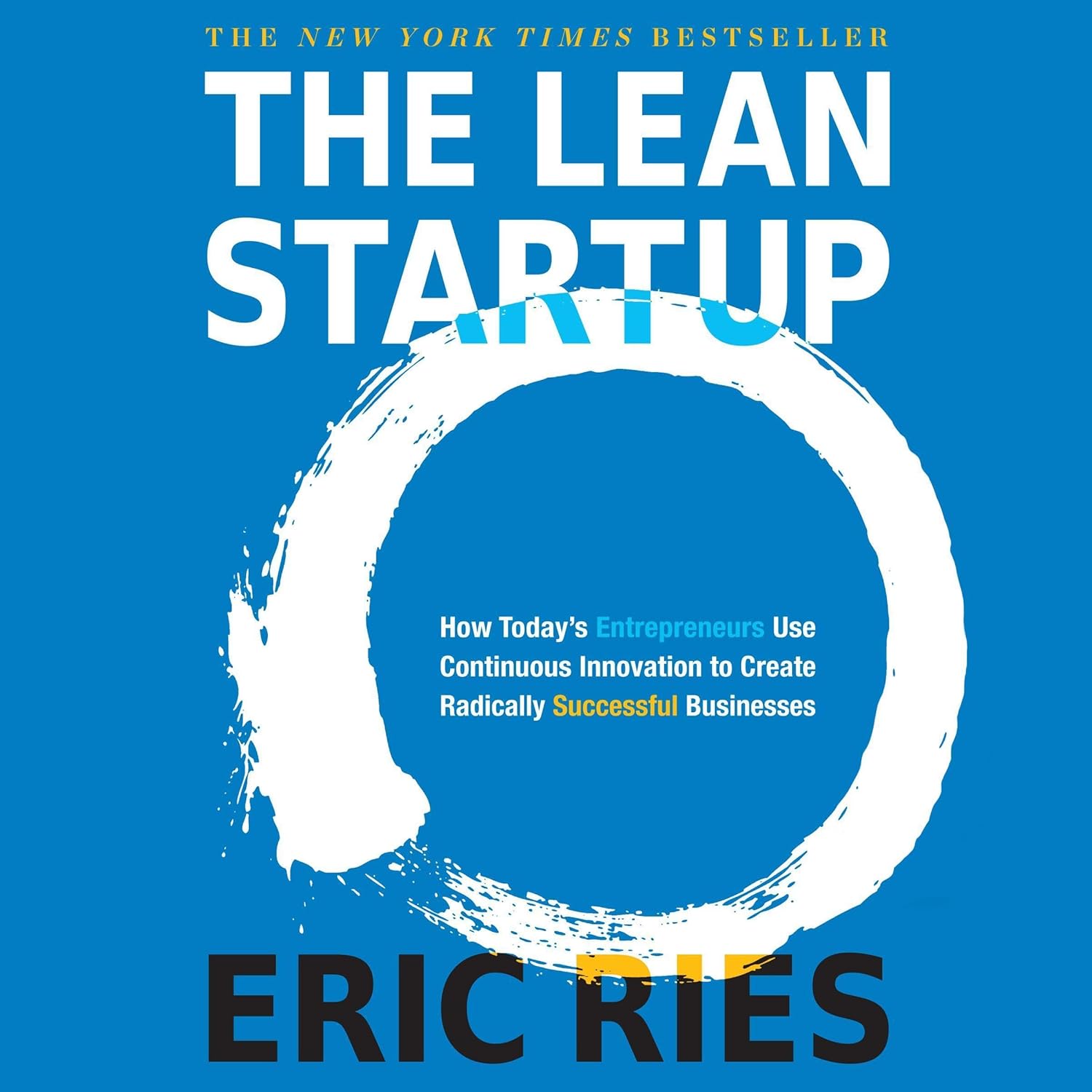
"The Lean Startup", Eric Ries
The foundational text on MVP methodology — explains build-measure-learn cycles, validated learning, and why most startups fail by building products nobody wants. Required reading before hiring any MVP agency.
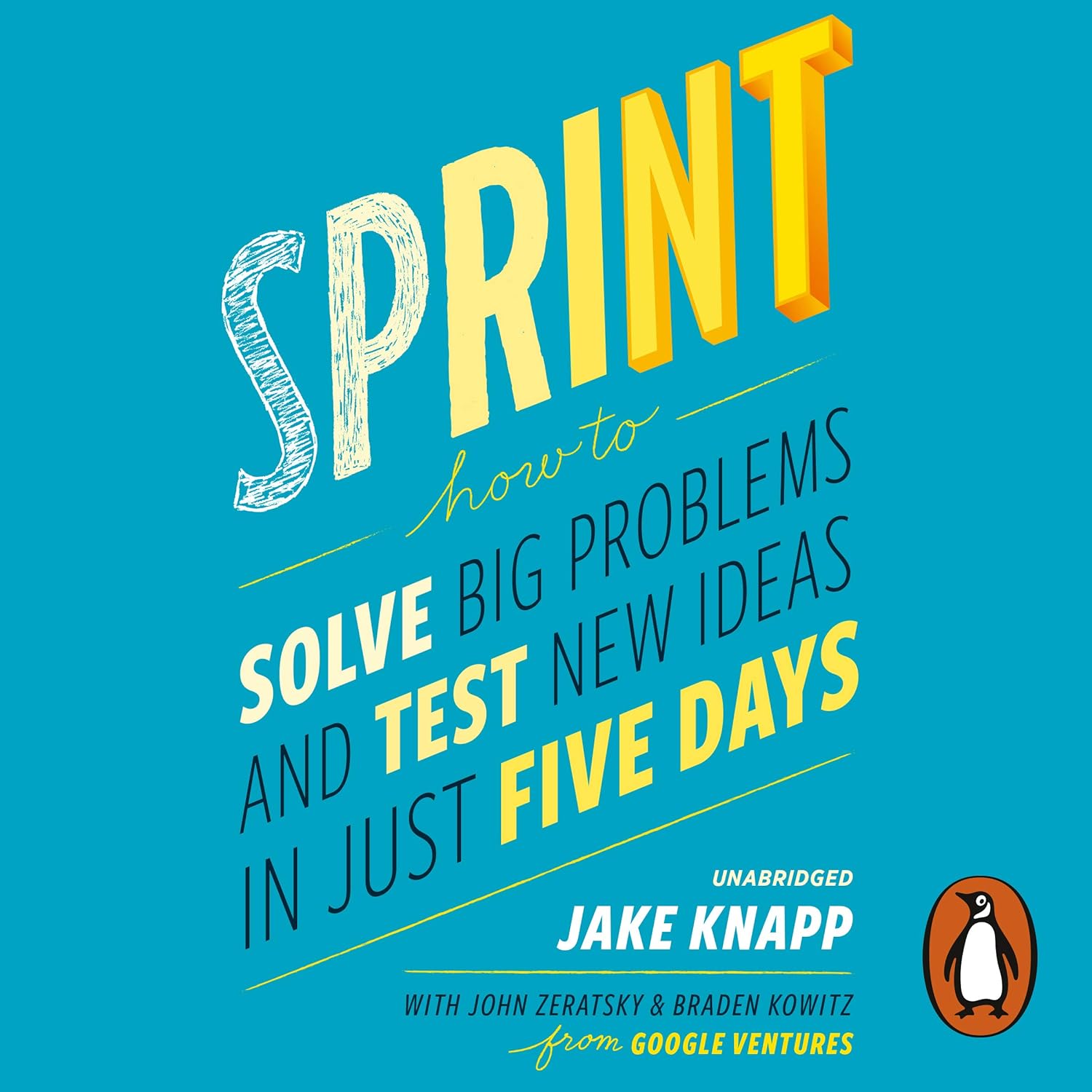
"Sprint: How to Solve Big Problems and Test New Ideas in Just Five Days", Jake Knapp
Google Ventures' framework for rapid prototyping and validation without writing code. Shows how design sprints can test assumptions in one week versus three months of development — critical for capital-constrained startups.
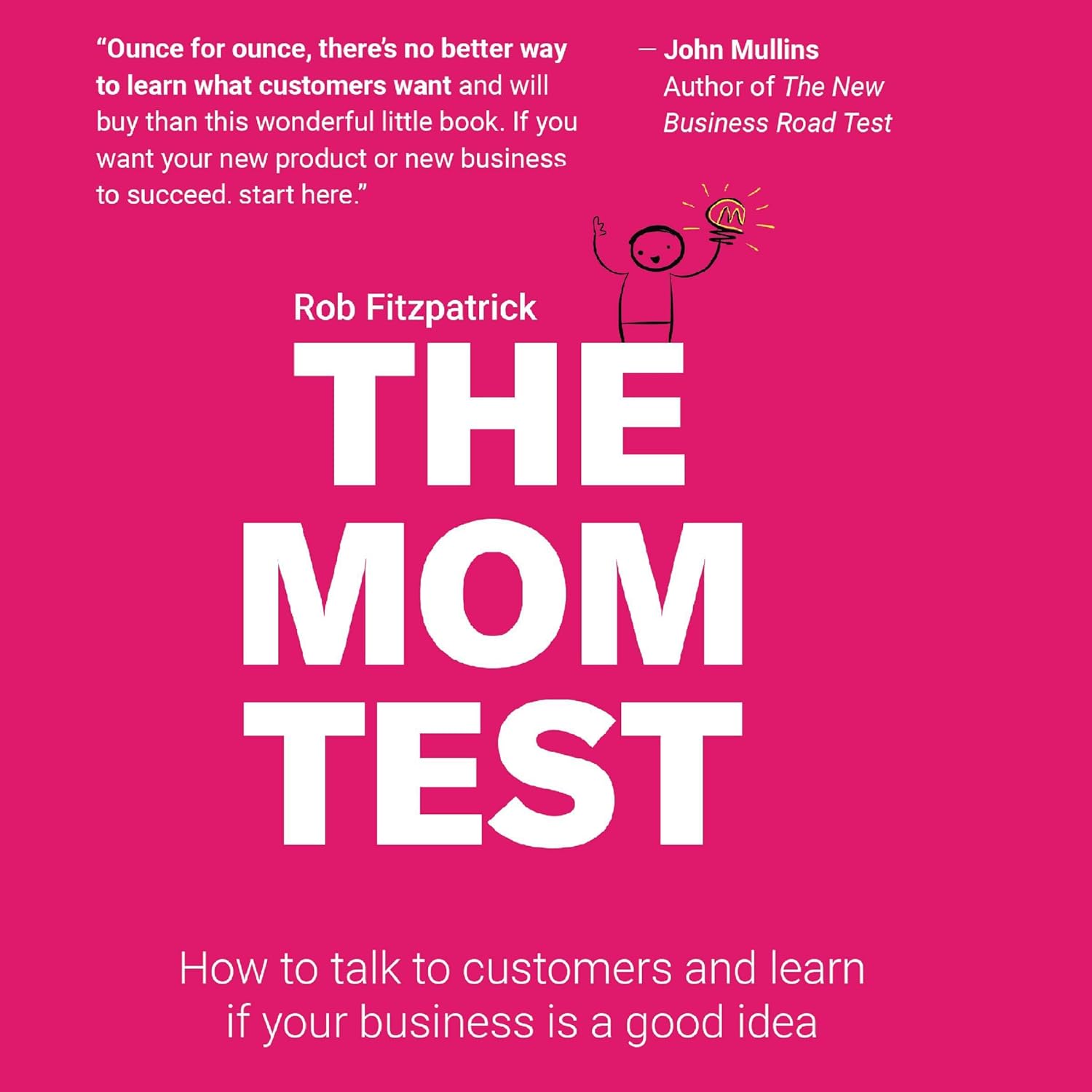
"The Mom Test", Rob Fitzpatrick
Short, practical guide on customer interviews and validation — teaches founders how to ask questions that reveal truth rather than polite lies. Essential for defining your riskiest assumption before building anything.
FAQ
Is it better to hire a local San Francisco agency or a remote one?
Local SF agencies offer in-person sprint planning, cultural understanding of startup ecosystems, and quick response times during critical launch phases. But many top SF firms also work remotely with clients worldwide—what matters most is MVP experience, capital efficiency mindset, and proven ability to ship in 8-12 weeks.
How long does it take to build an MVP in San Francisco?
Rapid validation MVPs take 6-10 weeks; production-grade builds run 10-16 weeks; complex platforms with enterprise requirements can take 4-6 months depending on integrations, compliance needs, and technical complexity.
Do SF MVP agencies handle post-launch iteration and scaling?
The best agencies offer ongoing retainers, maintenance plans, or transition support for hiring internal teams. Agencies that disappear after launch leave founders unable to iterate based on user feedback—precisely when iteration matters most. Always clarify post-launch support before signing.
What tech stacks do San Francisco developers use most?
React, Next.js, Vue, and Svelte lead for frontend—often paired with Node.js, Python/Django, or Ruby on Rails for backend. For mobile, expect React Native or Flutter for cross-platform, Swift/Kotlin for native. Cloud infrastructure typically runs on AWS, GCP, or Vercel/Netlify for serverless deployments.
Are San Francisco MVP development services expensive?
Rates are higher than the US average ($150-$250/hour vs $100-$150 nationally), but you're paying for speed, investor-grade polish, and market context from building hundreds of similar MVPs. The opportunity cost of slow offshore development (missed fundraising windows, competitive timing) often exceeds the SF premium.
How do I know if an agency actually understands MVP methodology?
Ask these diagnostic questions:
1. How many MVPs have you built in the past 12 months?
2. Can you provide 3 founder references from similar projects?
3. What's your process for cutting scope when founders over-specify?
4. How do you measure validation success?
Agencies that can't answer clearly aren't MVP-focused — they're general dev shops marketing to startups.
A great MVP agency cuts 60% of your features and forces you to name your riskiest assumption in one sentence. Speed beats perfection when runway is your constraint.