
When should a startup invest in branding — and how much? The practical framework for building a brand that survives pivots, attracts investors, and doesn't need rebuilding after Series A.
Key takeaways 👌
Pre-seed to seed: spend $5K–$15K on a minimum viable brand — positioning statement, core messaging, logo, two colors, one typeface. Anything more is premature. Anything less creates credibility problems that cost deals, hires, and investor confidence.
The biggest branding mistake startups make isn't underspending — it's spending on the wrong layer. A $10K logo with zero positioning work is a $10K decoration. A $5K positioning exercise with a $2K visual identity creates a foundation that scales for three years.
Series A is the rebrand trigger — not because the old brand is "ugly," but because the company has changed. New markets, new personas, bigger deals. The brand that worked for 10 customers doesn't work for 1,000. Plan for this from day one and the transition costs 50% less.
Introduction
Every startup faces the same branding dilemma: invest too early and you waste money on a brand that changes with the next pivot. Invest too late and you show up to investor meetings, sales calls, and job interviews looking like you built your website in a weekend — because you did.
The answer isn't "wait until you can afford it" or "do it properly from day one." The answer is a staged approach: minimum viable brand at launch, strategic investment at product-market fit, full brand system at scale. Each stage has a specific scope, budget, and purpose.
This guide covers exactly what to build at each funding stage, what to skip, what it costs, and the triggers that tell you it's time to level up. Based on branding work with startups from pre-revenue through Series B — including the ones who did it right the first time and the ones who paid twice.
Why Startup Branding Is Different
Enterprise branding is about consistency across thousands of touchpoints. Startup branding is about credibility with limited resources while everything else is still changing.
The core tension: startups need to look credible enough to close deals, attract talent, and raise capital — but flexible enough to pivot without scrapping everything. A $150K brand system is overkill. A $500 Canva logo is a credibility liability.
What startup branding must do:
- Signal competence and professionalism to investors, customers, and recruits
- Communicate the value proposition clearly in 5 seconds
- Be simple enough to apply without a design team
- Be flexible enough to survive 1–2 pivots without a full rebrand
- Cost less than one month of a senior developer's salary
What it doesn't need to do (yet):
- Win design awards
- Include a 60-page brand book
- Cover every possible touchpoint
- Have a custom icon set and illustration library
- Include sonic branding or motion design guidelines
When a pre-seed startup spends $50K on branding before finding product-market fit, then pivots three months later. The brand book is gorgeous. The company is now doing something completely different. The investors are thrilled. The designer's portfolio looks great though.

Stage 1: Pre-Seed to Seed — Minimum Viable Brand
When: You have an idea, early product, first customers. Revenue is zero to minimal.
Budget: $5K–$15K total
Timeline: 3–4 weeks
Goal: Look real. Sound clear. Don't embarrass yourself.
What to Build
Positioning statement (non-negotiable). One sentence: For [audience] who [problem], [Company] is the [category] that [differentiation] because [proof]. This isn't marketing copy — it's the internal compass that aligns everything from your pitch deck to your homepage headline. Takes 3–5 hours of focused work. Costs $0 if you do it yourself with a framework, $2K–$5K with a strategist.
Core messaging. Three things: elevator pitch (30 seconds), homepage headline + subhead, and one-paragraph company description. These three pieces of text appear in more places than any design asset — pitch decks, LinkedIn, email signatures, Product Hunt, investor updates. Get them right.
Visual identity — minimal version:
- Logo: one clean mark that works at 16px (favicon) and on a pitch deck slide. Not a $50K brand system — a $2K–$5K professional logo that won't need replacing in six months.
- Colors: two colors maximum. A primary and an accent. Pick something that isn't identical to your top 3 competitors.
- Typography: one typeface family (heading weight + body weight). Use a free Google Font unless your positioning demands premium.
- Simple usage rules: logo placement, color codes, font sizes. One page, not sixty.
Website. Template-based. Webflow, Framer, or a clean WordPress theme. 3–5 pages: Home, About, Product/Service, Contact, Blog (optional). Your website's job at this stage is to not lose deals, not to win design awards.
What to Skip
- Brand architecture (you have one product)
- Custom photography direction (stock is fine)
- Design system in Figma (you don't have a design team)
- Tone of voice documentation (your founder's voice IS the brand voice)
- Competitive visual audit (know your competitors, but don't over-index on differentiation through design at this stage)
Get the strategy right and almost everything else falls into place. Get it wrong and nothing else will save you — not the world's best creative director, not the world's biggest media budget.
— Mark Ritson, Professor of Marketing, Melbourne Business School
Stage 2: Seed to Series A — Strategic Foundation
When: Product-market fit is emerging. Revenue is growing. You're hiring beyond the founding team. Investor conversations are getting serious.
Budget: $15K–$40K total
Timeline: 6–10 weeks
Goal: Build the brand that can scale to 50 employees and $5M ARR without breaking.
This is the highest-ROI branding investment a startup will ever make. The decisions made here determine whether the brand scales gracefully or needs a $80K rebuild at Series A.
What to Build
Customer research (light version). 5–8 customer interviews. You don't need 20 — but you do need to hear real customers describe what you do in their words. Their language becomes your messaging. Their priorities become your positioning emphasis.
Positioning refinement. Your pre-seed positioning was a hypothesis. Now you have data. Refine based on: which customer segment converts fastest, which value proposition resonates most, and which competitive comparison customers make (this tells you your actual category, which may differ from what you assumed).
Messaging framework. Expand beyond the elevator pitch. Key messages by audience: investors hear growth metrics and market size. Customers hear outcomes and differentiation. Recruits hear mission and culture. Same company, different emphasis — all consistent.
Upgraded visual identity:
- Logo refinement (if the original was minimal) or proper logo system (primary + icon)
- Expanded color palette (primary, secondary, functional)
- Typography system with hierarchy rules
- Brand guidelines document (8–15 pages — practical, not decorative)
- Pitch deck template (you'll use this 200+ times)
- Social media templates (LinkedIn, Twitter headers and post templates)
Website upgrade. Either a custom section on the template site (hero, features, social proof) or a semi-custom build. The website now needs to do three jobs: convert visitors, impress investors, and attract talent.
What to Skip (Still)
- Full design system (wait until you have a design hire)
- Brand video or motion design
- Physical collateral beyond business cards
- Multi-brand architecture (still one product)

Building brand strategy from scratch? Our step-by-step guide covers the complete framework with key stages, timelines, and real-world examples — 9 Key Steps to Building a Successful Brand
Stage 3: Series A and Beyond — Full Brand System
When: Series A raised or imminent. Team is 20–50+. Multiple customer segments. Possibly multiple products or markets.
Budget: $40K–$100K
Timeline: 8–14 weeks
Goal: Build a brand system that works without the founder in the room.
This is where startup branding becomes company branding. The founder can no longer personally approve every design decision, write every email, or review every sales deck. The brand needs to be a system that anyone can use correctly.
What to Build
Full research phase. 12–20 customer interviews, competitor audit (visual + strategic), internal alignment workshops. You now have enough customers and market presence to do proper research.
Complete brand strategy. Positioning, value proposition, competitive differentiation, brand architecture (if you've launched a second product or entered a new market), audience personas.
Complete verbal identity. Brand narrative, messaging framework by segment, tone of voice guidelines with real examples, tagline (optional), boilerplate descriptions for PR.
Complete visual identity system:
- Full logo system (primary, secondary, icon, responsive, dark/light modes)
- Comprehensive color system with accessibility compliance
- Typography system with web font licensing
- Photography/illustration direction
- Iconography set
- Design system in Figma (component library for product and marketing)
- Brand book (20–30 pages)
- Templates: pitch deck, proposal, social media, email signature, business cards, trade show materials
Brand implementation plan. A roadmap for rolling out the new brand across all touchpoints — website first, then sales materials, then product UI, then everything else. This prevents the "half-rebranded" state that confuses customers for months.
The Rebrand Question
Most Series A rebrands aren't because the old brand was bad — they're because the company outgrew it. A brand built for 10 customers in one segment doesn't communicate correctly to 1,000 customers across three segments.
Signs it's time:
- The pitch deck doesn't match the website which doesn't match the product
- New hires ask "what does our brand stand for?" and nobody gives the same answer
- Enterprise prospects comment that you "look like a startup" (and not in a good way)
- Your brand was built by a generalist at launch and hasn't been touched since

The cheapest rebrand is the one you planned for. If you build Stage 1 knowing Stage 3 is coming, the foundation (positioning, messaging, core identity) carries forward. You're upgrading, not starting over. That saves 40–60% vs. building from scratch at Series A.
Budget Guide by Stage
Stage |
Budget |
Timeline |
What You Get |
What It Unlocks |
Pre-Seed |
$5K–$15K |
3–4 weeks |
Positioning + MVP identity |
Credible pitch, early sales, first hires |
Seed–Series A |
$15K–$40K |
6–10 weeks |
Research + strategy + upgraded identity |
Investor confidence, scalable hiring, consistent marketing |
Series A+ |
$40K–$100K |
8–14 weeks |
Full brand system + implementation plan |
Enterprise readiness, multi-segment messaging, brand equity |
Series B+ rebrand |
$80K–$150K |
12–20 weeks |
Complete overhaul + change management |
Market repositioning, IPO readiness, global expansion |
The math that matters: A $15K brand at seed that carries to Series A saves ~$50K in rebrand costs and 3–4 months of brand confusion. A $5K brand at seed that needs full replacement at Series A costs $5K + $80K + lost credibility. The "cheap" option is the expensive one.
Interesting fact 👀
Research by DocSend (Dropbox) shows that investors spend only a few minutes reviewing a typical pitch deck, making first impressions critical. Early slides play a key role in determining whether the rest of the deck gets attention. In this context, startup branding isn’t just aesthetic — it helps ensure the core message is actually seen and considered.
Five Branding Mistakes That Kill Startups
1. Waiting until "we can afford it." You can't afford not to have it. A developer with a $300 Fiverr logo loses deals that a developer with a $3K professional identity would close. The brand pays for itself in the first enterprise deal it doesn't lose.
2. Spending everything on visual identity. $10K on a logo suite with zero positioning work means you have beautiful business cards and no idea what makes you different. Flip the ratio: 40% strategy, 60% visual — not 0% strategy, 100% visual.
3. Copying the category leader's brand. If your visual identity looks like a lighter version of the market leader, you're telling customers "we're the knockoff." Differentiation through design is free — use a different color palette, different typography, different imagery approach.
4. Building for the company you want to be, not the company you are. A 5-person startup with enterprise branding looks dishonest. A 5-person startup with clean, confident, appropriately-scaled branding looks credible. Match the brand to your current reality, with room to grow.
5. Treating the brand as "done." A brand built at founding and never touched again becomes a liability by year two. Schedule a brand review every 12 months: does the positioning still hold? Do the materials still represent who we are? Is anything embarrassing?
How to Brief an Agency at Each Stage
The quality of your branding project depends on the quality of your brief. Here's what to include at each stage:
Pre-Seed brief (1 page):
- What we do (one paragraph)
- Who we do it for (target customer description)
- Our top 3 competitors (and what we do differently)
- Budget and timeline
- Deliverables needed (logo, colors, website — keep it specific)
Seed–Series A brief (2–3 pages):
Everything above, plus:
- Current brand assets (what exists, what works, what doesn't)
- Growth plans (new markets, new products, hiring goals)
- Customer quotes (3–5 real things customers have said about you)
- Brands you admire (and specifically WHY — not just "I like their website")
Series A+ brief (3–5 pages):
Everything above, plus:
- Internal alignment challenges (where the team disagrees about positioning)
- Brand perception data (customer survey results, NPS, review themes)
- Competitive landscape analysis
- Launch/rollout timeline and constraints
- Stakeholder map (who approves what)
The brief saves money. A clear brief gets accurate proposals. A vague brief gets padded estimates — because the agency has to budget for ambiguity.
Want to discuss your project?
Share your vision with us, and we'll reach out soon to explore the details and bring your idea to life.
Conclusion
Startup branding isn't a luxury and it isn't a one-time project. It's a staged investment that grows with the company.
At pre-seed, you need enough brand to be taken seriously: positioning, messaging, and a clean visual identity. At seed-to-Series A, you need enough brand to scale: research-backed strategy, expanded identity, and materials that work without the founder reviewing every pixel. At Series A and beyond, you need a brand system: complete, documented, implementable by anyone in the company.
The companies that get this right spend less total on branding over their first five years — because each stage builds on the last instead of replacing it. The companies that get it wrong spend $3K at launch, then $80K at Series A to redo everything, then another $50K at Series B because the Series A rebrand was rushed.
Plan for three stages. Build for the stage you're in. Design with the next stage in mind.
The best startup brand is the one that grows up with the company — not the one that needs to be thrown away every time the company takes a step forward.
Recommended reading 🤓
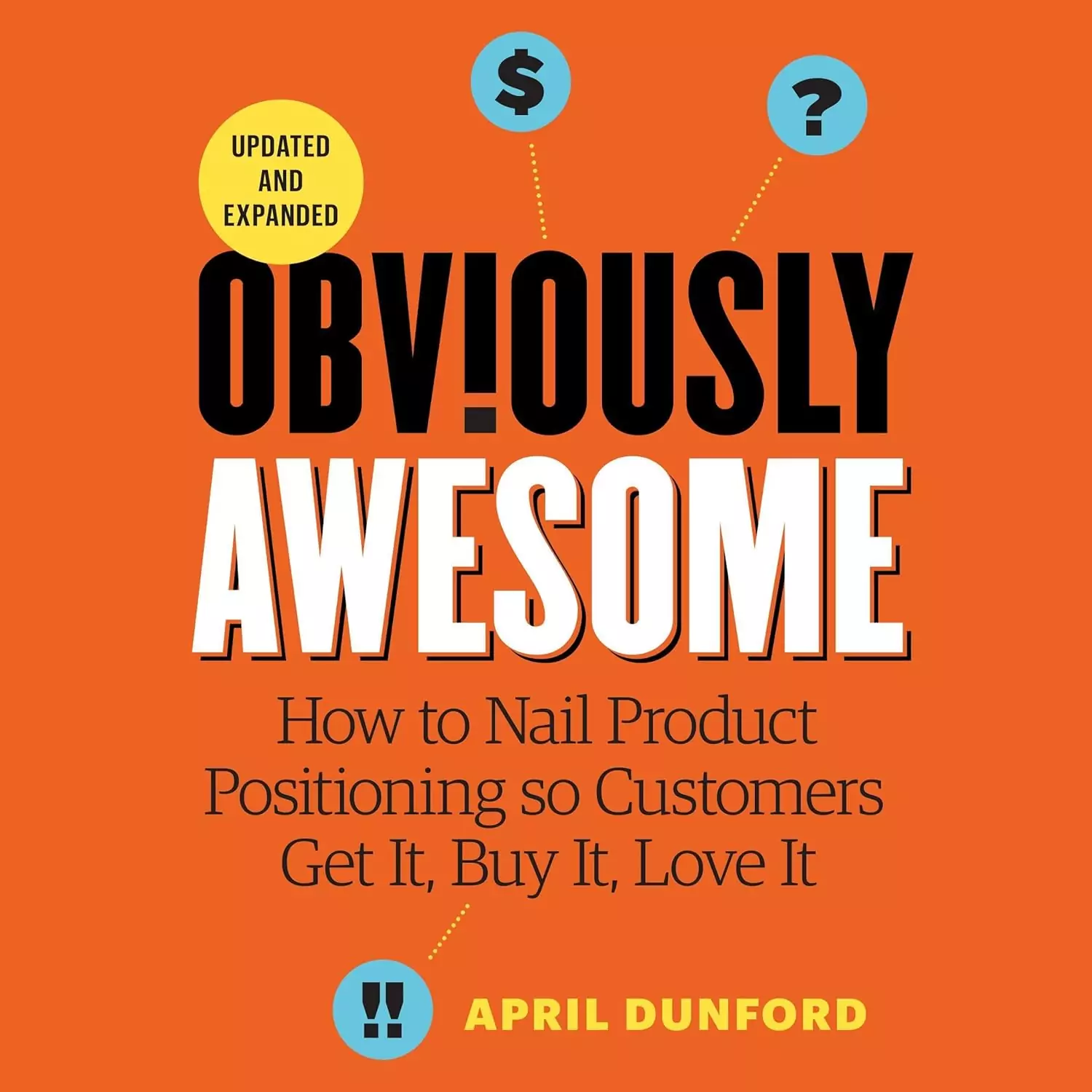
"Obviously Awesome", April Dunford
The best book on positioning for startups. Dunford's framework is practical, fast, and built specifically for companies still finding their market. Essential reading before any branding investment.
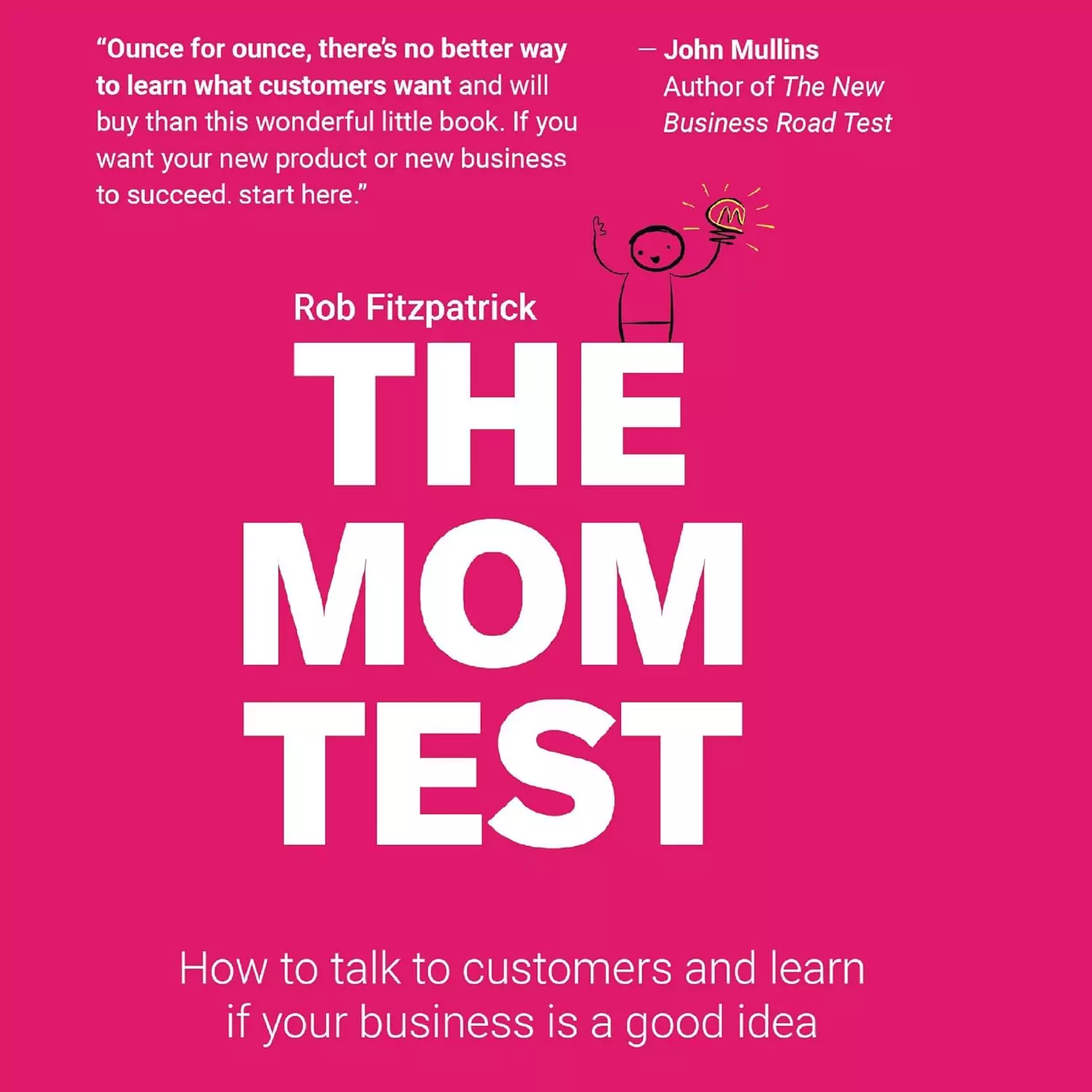
"The Mom Test", Rob Fitzpatrick
How to talk to customers and learn whether your business idea is good — even when everyone is lying to you. The customer research techniques in this book feed directly into Layer 1 of any branding project.
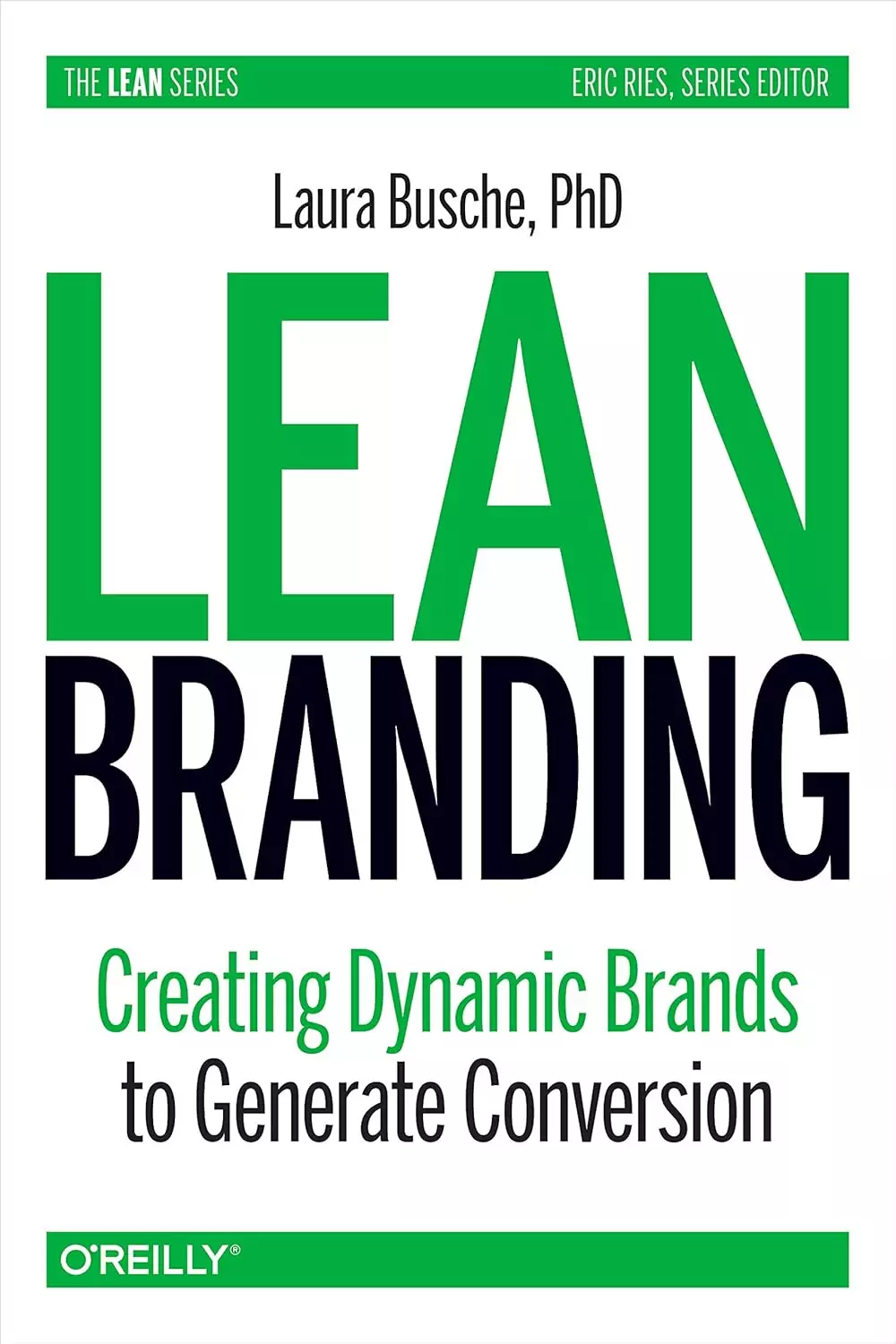
"Lean Branding", Laura Busche
Branding specifically for startups using lean methodology. Covers minimum viable brand, iterative identity development, and how to build brand equity while everything else is still changing.
Half the startups I work with come to us post-Series A saying "we need a rebrand." When I ask why, it's always the same answer: "We threw something together at launch and now we've outgrown it." The rebrand costs $50K–$80K. The original branding cost $3K. If they'd spent $15K upfront, they'd have saved $60K and twelve months of brand confusion.