
LA fashion brands average 1.2% conversion while top competitors hit 4.8% from the same traffic. Here's what's broken in your LA fashion e-commerce web design — and what a proper rebuild actually costs in 2026.
Key takeaways 👌
Instagram and TikTok visitors arrive with high intent and zero patience. A slow load time, a broken checkout, or a weak product page sends 40% straight to a competitor. Brands converting at 4.8% aren't getting better traffic — they built a site that closes the sale.
Size anxiety drives 34% of fashion cart abandonment — more than price or shipping. Yet most LA fashion sites still bury a static size chart below the fold. Fit tools, real customer photos, and a visible exchange guarantee lift conversion 19% without touching a single product or ad.
73% of LA fashion purchases start on mobile. If your checkout has more than three steps, requires account creation, or skips Apple Pay, you're not just losing sales — you're losing repeat customers. Build mobile first. Desktop is secondary.
Introduction
Your Instagram has 50K followers and drives serious traffic. So why is your website converting at 1.2% while your competitor hits 4.8%? Los Angeles fashion brands lose an average of $47,000 annually to poorly designed e-commerce websites that can't convert social media traffic into sales.
The cause is almost never the product. It's almost always the website — treating itself as a digital lookbook rather than a sales system. LA fashion websites load 15% slower than the national average. When an Instagram story drives traffic to a homepage taking 7 seconds to load on mobile, 40% of visitors are gone before the first product image renders. The ones who stay encounter checkout flows designed for desktop, size information buried or missing entirely, and social proof elements that aren't visible where buying decisions actually happen.
LA fashion shoppers visit 4.7 websites before purchasing. Your site needs to convert on first impression or lose those customers permanently. With the Los Angeles fashion e-commerce market generating over $2.4 billion in annual online sales, the gap between a 1.2% and a 4.8% conversion rate isn't a small optimization problem — it's a structural revenue gap with a straightforward architectural fix.
What Is E-Commerce Web Design for LA Fashion Brands?
E-commerce web design for LA fashion brands means creating online stores specifically optimized for clothing, accessories, and lifestyle products in the Los Angeles market. Unlike generic retail websites, fashion e-commerce requires advanced product visualization, size and fit confidence tools, social commerce integration, and checkout flows designed for impulse purchasing behavior.
The distinction matters because LA fashion brands operate in the world's most image-driven market, where visual storytelling and social proof directly impact sales conversions. A generic Shopify theme with product photos and a standard checkout isn't competing with the best-converting LA fashion sites — it's a different category of infrastructure entirely.
A professionally built LA e-commerce store addresses the specific failure points of fashion retail: social traffic that won't tolerate slow load times, mobile shoppers who abandon at the first friction point, and the size anxiety that causes 34% of fashion cart abandonment before a buyer ever reaches payment.
Why LA Fashion Websites Fail to Convert Social Traffic Into Sales
Brands invest $3,000–$8,000 monthly driving Instagram and TikTok traffic to websites that convert under 1.5%, while properly designed fashion sites consistently hit 3.2–4.8%. The core problem is treating websites as digital lookbooks rather than sales conversion systems.
Speed kills sales. LA fashion websites load 15% slower than the national average. A Melrose vintage boutique pulling 15,000 monthly visitors with a 0.8% conversion rate — their homepage took 7.2 seconds to load on mobile. By the time the hero image rendered, 40% of their Instagram traffic had already left.
Mobile disasters. 68% of LA fashion shoppers abandon carts due to poor mobile experience, yet most fashion websites are still designed desktop-first. The checkout button disappears behind product images. Size charts require horizontal scrolling. Payment forms break on iPhone screens.
No social proof integration. LA shoppers are influenced by peer validation more than any other market. Fashion websites that don't display recent purchases, customer photos, or real reviews lose 23% more potential sales than sites with active social proof elements.
Generic product pages. Fashion is emotional. Customers need to envision themselves wearing your pieces. Product pages with single stock photos and bullet-point descriptions don't create desire — they create comparison shopping.
Understanding the deeper mechanics of website conversion and what actually drives it reveals that for fashion e-commerce, the gap between 1.2% and 4.8% is almost never a traffic quality problem — it's an architecture problem that compounds every day it goes unfixed.

The load speed gap between average and top-performing LA fashion sites is almost entirely a technical architecture problem. This guide covers the decisions — CDN configuration, image pipelines, resource loading order — that determine whether your site holds a mobile visitor's attention: Website Performance and Architecture Guide

LA Fashion E-Commerce Features That Drive the Most Sales
After building 40+ fashion websites in Los Angeles, these features consistently drive the highest conversion rates.
Advanced product variants. Fashion requires complex inventory management. Customers need to see all available combinations of size, color, and style without confusion — and any friction at the variant selection stage sends them to a competitor rather than to checkout. High-converting setup: visual swatches for colors and materials, size charts with fit recommendations, stock level indicators ("Only 3 left in Medium"), and cross-selling for related sizes.
Quick shop functionality. LA fashion shoppers browse fast and decide quickly. Quick shop modals let customers add items without leaving category pages — increasing average session value by $23 per visitor.
Size and fit tools. The biggest conversion killer in fashion e-commerce is size uncertainty. Advanced fit tools reduce returns by 27% and increase conversion rates by 19%. Essential elements: size recommendation quiz, customer photo reviews showing real fit, virtual try-on for accessories, and prominently displayed size exchange guarantees.
Instagram Shopping integration. LA fashion brands build audiences on Instagram, then drive traffic to websites. Seamless integration is crucial: Instagram product tags linking to specific variants, user-generated content galleries, influencer discount tracking, and social login options. Proper social media integration built into the store architecture — not retrofitted afterward — is what separates brands that capture Instagram revenue from those that lose it at the click-to-site transition.
Mobile-first checkout. 73% of LA fashion purchases start on mobile devices. Non-negotiable requirements: Apple Pay and Google Pay integration, guest checkout options, single-page checkout flow, and auto-fill for shipping and billing. Every additional checkout step reduces fashion conversion by 7–10%. Three steps maximum: shipping, payment, confirmation.
Wishlist and save features. Fashion purchases are often aspirational. Customers save items for payday, special occasions, or seasonal timing. Wishlist emails recover 15–20% of abandoned interest as future sales — a conversion mechanism that costs nothing per recovered sale after initial setup.
The custom design work required to implement these features correctly isn't about aesthetics — it's about building a conversion architecture where each element (product page, fit tool, checkout flow, social proof) reinforces the others rather than operating as independent modules.
Design is not just what it looks like and feels like. Design is how it works.
— Steve Jobs, Co-founder, Apple
How Much Does E-Commerce Web Design in LA Cost for Fashion Brands?
E-commerce web design for LA fashion brands varies significantly based on platform choice, customization level, and integration requirements.
Template-based solutions ($6,000–$15,000). Shopify themes with custom styling, basic payment and shipping setup, mobile optimization. Best for new brands with limited product lines. Two to four weeks development time.
Semi-custom development ($15,000–$28,000). Custom Shopify or WooCommerce build, unique design and branding, advanced filtering and search, Instagram integration. Best for established brands with growing inventory. Six to ten weeks.
Fully custom platforms ($28,000–$65,000). Headless commerce architecture, custom admin features, advanced personalization, multi-channel integration. Best for high-volume brands with complex requirements. Twelve to twenty weeks.
Most established LA fashion brands find the right balance between $15,000 and $35,000 — a semi-custom build with fashion-specific functionality, Instagram Shopping integration, advanced variant handling, and a mobile checkout flow that actually converts.
Additional LA market costs to budget: Photography ($2,000–$8,000 for professional product shoots), copywriting ($1,500–$4,000 for product descriptions and marketing pages), technical SEO setup ($2,000–$5,000 — covering Core Web Vitals, structured data for product pages, and the crawlability issues that prevent fashion inventory from ranking), and ongoing maintenance ($800–$2,500/month).
The Venice streetwear math makes the investment case concrete: 12,000 monthly visitors at 0.7% generates 84 sales. The same traffic through a properly built site at 2.8% generates 336. That's not a marketing problem. It's a $47,000 website problem with a $20,000 solution.

A brand converting 15,000 monthly visitors at 0.8% generates 120 sales. The same traffic at 3.2% generates 480. The difference isn't better ads, a bigger audience, or a new product line. It's the website — and it's costing that brand roughly 360 sales a month while it waits for a "better time" to fix it.
Step-by-Step Fashion E-Commerce Design Process
Building a high-converting fashion site requires a systematic approach. Here's exactly how successful projects unfold.
Phase 1 — Strategic foundation (Weeks 1–2). Current website audit and conversion analysis, competitor research covering pricing, features, and user experience, customer journey mapping from social to purchase, and Instagram and TikTok content review for design direction. Technical requirements assessment covers product catalog complexity, integration needs (Instagram, email, POS systems), mobile usage patterns, and traffic volume projections.
Phase 2 — Platform and design decisions (Weeks 3–4). Platform selection based on inventory complexity, expected traffic spikes (influencer promotions, flash sales), and budget for development and ongoing costs. Design system creation: mobile-first wireframing for key user flows, visual identity translation to web interface, typography and color system for readability, photography style guide for consistency.
Phase 3 — Development and integration (Weeks 5–10). Core e-commerce build including product catalog setup with advanced variants, shopping cart and checkout optimization, and payment processing. Fashion-specific features: size and fit recommendation tools, visual search and filtering, wishlist functionality, quick shop capabilities. Third-party integrations: Instagram Shopping product sync, email marketing automation, customer service chat, and analytics and conversion tracking.
Phase 4 — Testing and launch (Weeks 11–12). Cross-device testing (iOS, Android, desktop), payment processing verification, load testing for traffic spikes, and search engine optimization setup. Soft launch strategy: limited product launch for testing, customer feedback collection and fixes, conversion funnel optimization, then full inventory population and marketing launch.
A UX/UI audit at the start of Phase 1 maps exactly where current visitors drop off, which friction points prevent conversion, and which fixes deliver the fastest return — removing guesswork from the brief and preventing a rebuild that solves the visible problems while missing the underlying ones.
Interesting fact 👀
Google research shows that even marginal improvements in mobile load speed can significantly increase conversion rates, particularly in fashion e-commerce. At the same time, many LA-based fashion websites lag behind performance benchmarks, creating a measurable gap where slower load times directly contribute to lower conversion rates compared to top-performing brands.
Where to Find E-Commerce Web Design LA Specialists
Finding qualified specialists who understand both fashion retail and Los Angeles market dynamics requires knowing what questions to ask.
LA-based agencies understand local fashion culture (streetwear, luxury, vintage scenes), LA consumer behavior patterns, and seasonal trends tied to local fashion events. They can visit showrooms and understand products physically — which matters for briefing product page and photography strategy. Quality remote options often cost 20–30% less, offer broader technical expertise, and move faster on projects that don't require local market immersion.
Evaluation criteria for fashion-specific expertise. Portfolio requirements: minimum 5 fashion e-commerce projects with documented conversion rate improvements, mobile-responsive designs (test on your own phone), and social commerce integration examples. Technical capabilities: experience with fashion-specific platforms (Shopify Plus, WooCommerce), advanced variant management, size and fit tool implementation, and high-traffic handling for flash sales and influencer promotions.
Questions that reveal whether an agency actually knows fashion e-commerce: "Show me conversion rate improvements for your last three fashion clients." "How do you handle size variant complexity?" "What's your process for mobile checkout optimization?" "Can you integrate with our existing Instagram Shopping setup?"
Red flags: Portfolio shows only B2B or service websites with no fashion retail case studies; inability to explain fashion-specific conversion challenges; quotes significantly below market ($3,000–$5,000 for a full build); template-only approach with no conversion optimization strategy.
Site speed optimization is the fastest-return investment available to LA fashion brands before a full redesign — addressing the image compression, render-blocking resources, and CDN configuration that cause the 5–7 second load times driving 40% mobile abandonment, often without touching the design at all.
Common Fashion E-Commerce Design Mistakes in Los Angeles
Mistake 1: Instagram-only thinking. Designing websites that only look good in screenshots without considering actual shopping functionality. A Melrose boutique spent $15,000 on a visually stunning website that converted at 0.9% — beautiful photography, no size information, no customer reviews, no clear pricing. Balance visual appeal with conversion optimization. Beautiful design should enhance shopping, not replace it.
Mistake 2: Desktop-first development. 73% of LA fashion purchases start on mobile, yet many sites prioritize desktop layouts. Checkout forms break on mobile screens. Product images are too small to evaluate quality. Navigation menus require multiple taps. Size charts require horizontal scrolling. Every design decision starts with mobile, then adapts to desktop — not the reverse.
Mistake 3: Ignoring size anxiety. A shopper who isn't confident about fit doesn't ask — they leave. And they don't come back. Solutions that work: detailed size charts with model measurements and their actual listed size, customer photo reviews showing real fit on real body types, size exchange guarantees visible on the product page (not buried in FAQ), and fit recommendation tools that ask two questions and give a definitive answer.
Mistake 4: Poor social proof implementation. LA fashion shoppers are heavily influenced by social validation. No customer photos in product reviews, hidden or minimal review sections, no recent purchase notifications, missing influencer endorsements — each absence costs conversions in a market where peer validation is the primary purchase driver.
Mistake 5: Overcomplicated checkout. Forced account creation before purchase. Multiple shipping and billing forms. Unclear return policies during checkout. Missing Apple Pay and Google Pay. Three steps maximum. Any more and you're converting at a fraction of what the traffic quality warrants.
Want to discuss your project?
Share your vision with us, and we'll reach out soon to explore the details and bring your idea to life.
Conclusion
LA fashion brands have a specific and expensive problem. They build strong Instagram audiences, invest in beautiful content, run paid campaigns — and then send all that traffic to websites converting at 1.2%. The industry average is 2.1%. The top performers in the LA market hit 4.8%. Against an average order value of $127 and thousands of monthly visitors, that gap costs brands an average of $47,000 a year in revenue that their products already earned and their website gave back.
The fix is architectural, not cosmetic. High-converting LA fashion sites are built mobile-first, with checkout flows capped at 3 steps, Apple Pay and Google Pay integrated from day one, size-confidence tools reducing return rates by 27% while lifting conversions by 19%, and product pages built around desire — lifestyle photography, customer-fit photos, scarcity indicators, and social-validation elements positioned where eyes actually land during a 20-second browse session.
Brands that invest in proper e-commerce design see results within 60 days. Brands that delay lose customers to competitors who already got it right — and in the LA fashion market, where shoppers visit 4.7 sites before buying, the brand with the faster, cleaner, more confident checkout doesn't just win that sale. It wins the repeat purchase, the word-of-mouth referral, and the Instagram story that drives the next thousand visitors.
Recommended reading 🤓
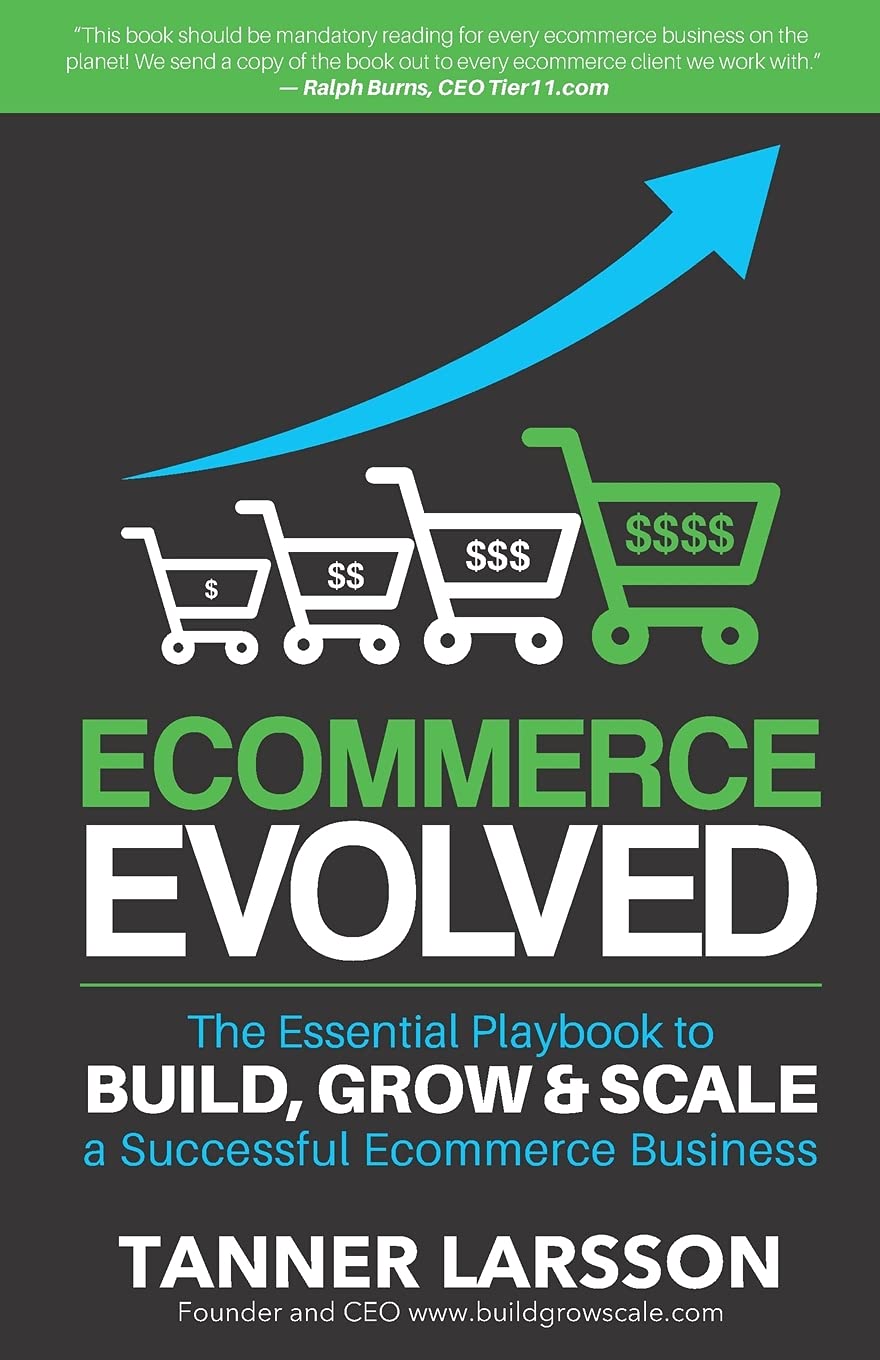
"E-Commerce Evolved", Tanner Larsson
Practical guide to building e-commerce systems that convert — covers the product page, checkout, and post-purchase architecture that separates high-performing stores from beautiful ones that don't sell.
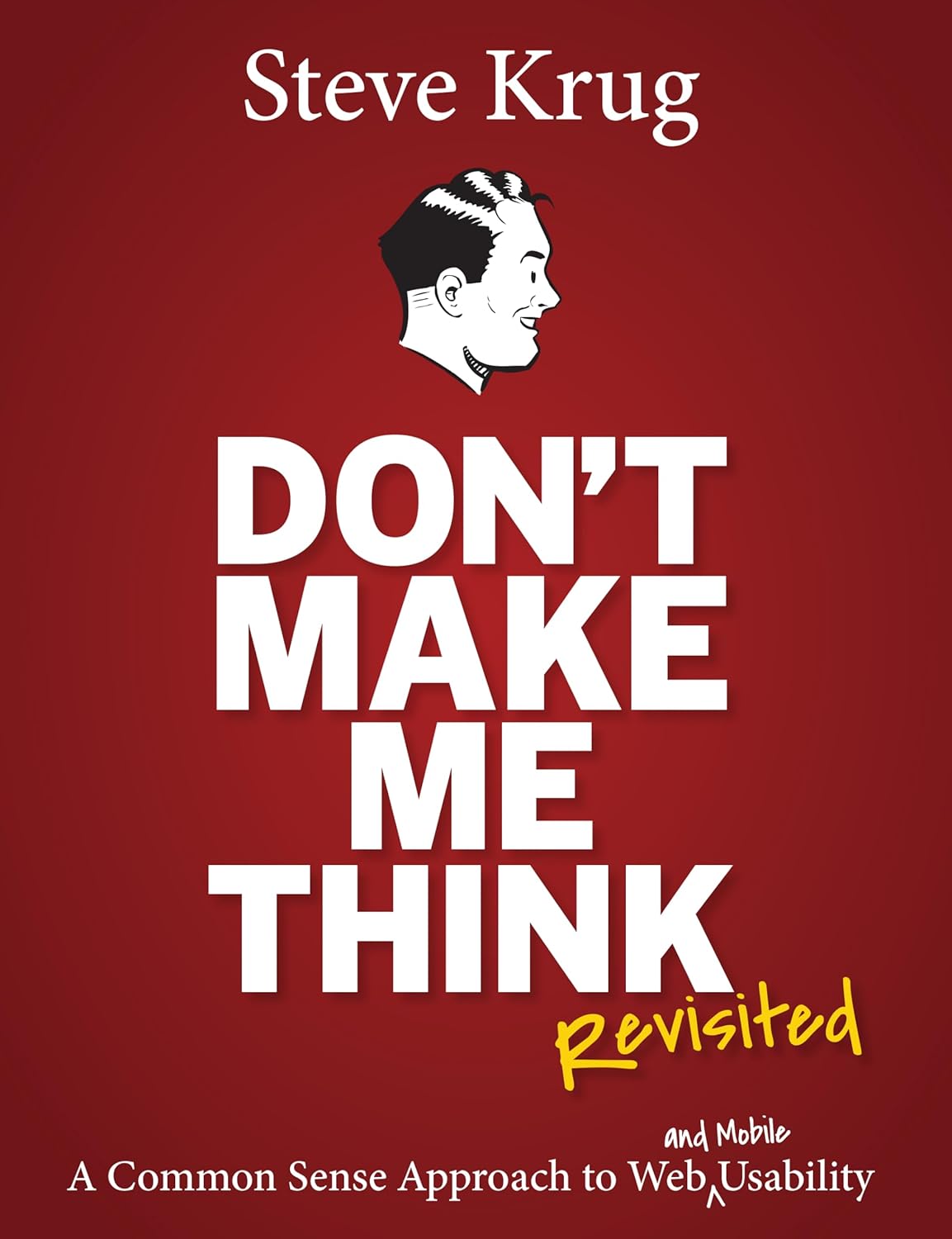
"Don't Make Me Think", Steve Krug
The usability classic — directly applicable to understanding why LA fashion shoppers abandon mobile checkouts and what structural simplicity actually accomplishes when friction is removed.
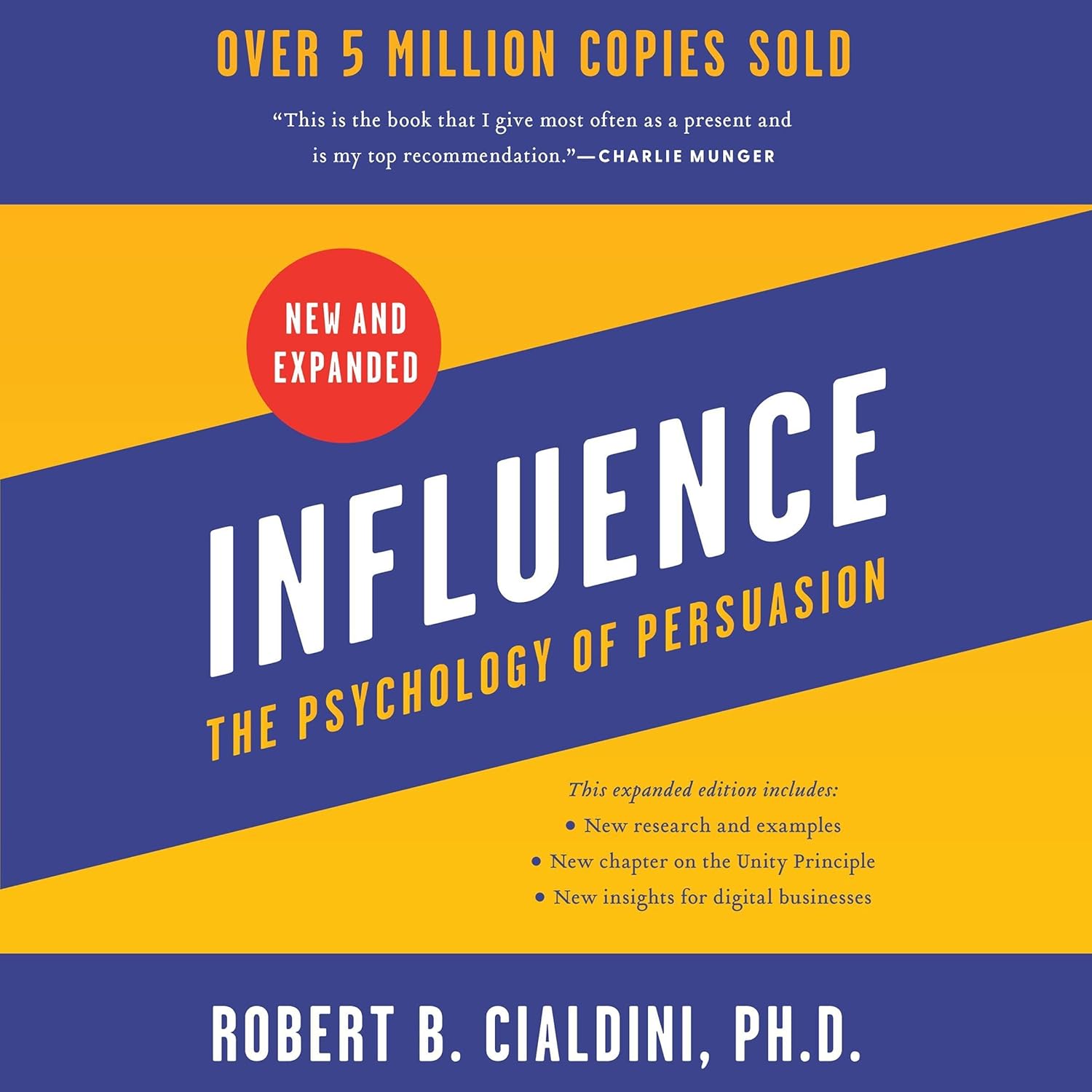
"Influence: The Psychology of Persuasion", Robert Cialdini
The foundational text on decision-making — scarcity, social proof, authority — all of which map directly to the size anxiety fixes, social proof placement, and checkout urgency elements that drive LA fashion conversion rates.
LA fashion brands spend $5,000 a month on content creation and $200 on their checkout flow. Then they wonder why Instagram converts better than their website. The store is the product — it needs the same investment as the brand.