
You have five proposals from NYC web design agencies sitting in your inbox, each with impressive case studies and confident timelines. This guide gives you seven criteria — built after 200+ projects — that separate agencies that deliver from those that disappoint.
Key takeaways 👌
Technical capabilities should be evaluated through specific performance and accessibility questions — "we build fast websites" is not an answer, PageSpeed scores are.
Post-launch support models vary dramatically between NYC agencies — understand maintenance costs upfront, not after the project ends.
Contract terms around IP ownership and code handoff protect your investment regardless of how the agency relationship turns out.
Introduction
In New York, a failed web project doesn't just waste money — it costs time you don't have. Startups burn through funding runways. Retailers miss seasonal launches. B2B companies lose enterprise deals because their site looked broken during due diligence. The average NYC web project runs $15,000 to $150,000+, and a failed one typically means paying that twice: once for what was built, once for the rebuild.
The proposals in your inbox all look credible. Every agency promises Agile process, responsive communication, and on-time delivery. The differences only surface when you know which questions to ask and what the answers should actually sound like.
After building 200+ websites for NYC businesses, we've identified seven criteria that separate agencies that deliver from those that disappoint.
Evaluate agencies by their UX/UI design process — do they research before designing?
Why Choosing the Right Web Design Agency Matters for NYC Businesses
The Real Cost of Getting It Wrong
A web design agency in NYC typically charges $15,000 for a basic business site to $150,000+ for complex e-commerce platforms. But here's what most businesses miss: a failed project costs that investment plus four to eight months restarted from zero. In Manhattan's competitive market, where businesses lose $2,000–$5,000 per day during website downtime, choosing an agency that delivers on schedule isn't optional.
The hidden costs compound fast. Manhattan retailers lose $30,000 during botched Black Friday launches. Financial services firms miss entire tax seasons. SaaS startups burn through funding rounds waiting for agencies to deliver functional user dashboards.
NYC Market Speed Requirements
New York business moves faster than other markets. Startups have six-month funding runways. Established companies face quarterly board meetings. E-commerce brands need seasonal launches. A web design agency that promises 12-week delivery but consistently delivers in 20 weeks will kill your go-to-market strategy.
Manhattan agencies understand this urgency — it's priced into their models. The question becomes whether you're paying for real speed (structured process, experienced team, proven workflow) or artificial speed (corner-cutting, junior designers, template customization marketed as custom design).
Partnership vs. Transaction Reality
You're not buying a website. You're entering a six-month working relationship that affects every aspect of your business: brand positioning, customer experience, and technical infrastructure. The agency will learn your business model, access customer data, and make decisions that impact conversion rates.
This relationship intensity means cultural fit matters as much as technical skill. A brilliant agency that doesn't return calls or push back on feedback will create more problems than they solve.

Criterion 1 — Portfolio Relevance vs. Design Quality
Industry Experience Beats Visual Appeal
Most businesses choose agencies based on portfolio aesthetics. That's the wrong approach. A stunning restaurant website teaches you nothing about whether the agency can build e-commerce checkout flows, SaaS user onboarding, or B2B lead generation systems.
Ask specific questions: "Show me three websites you've built for companies with similar business models to mine." If you're launching a subscription service, you need to see subscription billing integrations, user dashboards, and churn-reduction features — not beautiful hero sections.
Technical Complexity Indicators
Look for portfolio projects that demonstrate technical problem-solving, not just visual design:
E-commerce: Multi-currency support, inventory management, abandoned cart recovery
SaaS: User role management, API integrations, usage analytics dashboards
Professional Services: Client portal access, document management, appointment scheduling
Healthcare: HIPAA compliance, patient data security, insurance integration
A Manhattan medical practice hired an agency based on beautiful healthcare websites. The agency had zero experience with HIPAA requirements. Six months later, they needed a complete rebuild to handle patient data legally.
Reference Check Strategy
Don't just read testimonials. Call three clients from projects completed 12+ months ago and ask:
- "Did the website handle your peak traffic days without issues?"
- "How responsive was the agency during the revision process?"
- "What surprised you most about working with them?"
- "Would you hire them again for a complex project?"
Pay attention to tone and specificity. Vague positive responses often indicate coached testimonials. Detailed responses with specific examples indicate authentic experiences.
Criterion 2 — Process Transparency and Project Management
Discovery Process Depth
How an agency approaches discovery reveals everything about its delivery capability. Strong agencies spend two to four weeks understanding your business before writing a single line of code. Weak agencies jump straight to wireframes and design concepts.
Red flag: agencies that provide detailed proposals after a single sales meeting. They're estimating based on assumptions, not understanding your actual requirements.
Milestone Definition and Communication
Strong agencies break projects into specific milestones with measurable deliverables — not phases, but named outputs with sign-off checkpoints:
Week 2: Sitemap and user flow diagrams approved
Week 4: Wireframes and content requirements finalized
Week 6: Design concepts for homepage and key templates
Week 8: Design system and all page designs approved
Week 10: Development complete, staging site ready for review
Week 12: Content populated, QA testing complete, launch ready
"Design phase" is not a milestone. "Homepage design approved with stakeholder sign-off" is a milestone.
Revision Process Structure
How agencies handle revisions during the design phase predicts how they'll handle everything else. Professional agencies include specific revision rounds in their proposals:
Round 1: Major structural changes and content strategy adjustments
Round 2: Visual design refinements and brand alignment
Round 3: Final polish and minor copy edits
Unlimited revisions sound appealing but create unclear expectations. Structured revision rounds with defined parameters keep projects on track and budgets predictable.
The objective of software engineering is to control complexity, not to create it.
— Tom DeMarco, Software engineer, author of Peopleware and Structured Analysis
Criterion 3 — Communication Style During the Proposal Phase
Response Time and Detail Quality
Pay attention to response patterns during the proposal process. Agencies showing their best behavior and still taking 24–48 hours to respond to detailed questions? They'll be slower during project delivery when you're not a prospect anymore.
Web projects require constant small decisions. Slow communication creates bottlenecks that delay launches and compound costs on both sides.
Scope Change Management
Test how agencies handle scope adjustments during proposal discussions. Add a feature request that wasn't in your original RFP. Strong agencies will:
- Acknowledge the new requirement clearly
- Explain how it impacts the timeline and budget
- Offer alternatives that achieve your goal more efficiently
- Update the proposal with specific line items
Weak agencies will either absorb the change without mentioning impact — setting up future conflicts — or provide vague estimates like "additional design time may be required."
Technical Question Responses
Ask specific technical questions during the proposal phase:
- "How will you ensure our site loads in under three seconds on mobile?"
- "What's your approach to SEO optimization during development?"
- "How do you handle website security and regular updates?"
Strong agencies provide detailed, specific answers with examples from previous projects. Weak agencies provide generic responses. The difference sounds like this: "We'll use WebP image formats, implement lazy loading, minify CSS/JS, and host on AWS CloudFront CDN — here's a PageSpeed report from a similar project showing 2.1-second load times."

If an agency can't answer your technical questions with specifics during the proposal phase — when they're actively trying to win your business — how will they communicate once the contract is signed?
Criterion 4 — Technical Skills NYC Web Design Agencies Actually Need
Performance and Speed Requirements
New York users are impatient. Slow websites die in NYC's competitive market. Your agency needs to demonstrate actual performance optimization skills, not just talk about them.
Specific technical requirements to verify:
- Image Optimization: WebP format usage, responsive image implementation, lazy loading for below-fold content
- Code Quality: Minified CSS/JavaScript, efficient database queries, clean HTML structure
- Hosting Strategy: CDN implementation, server response optimization, caching layer configuration
- Mobile Performance: Touch-friendly interface elements, optimized mobile images, accelerated mobile pages
- SSL certificate implementation and renewal
- Regular WordPress/CMS updates and security patches
- Malware scanning and removal procedures
- Database backup and disaster recovery systems
- GDPR/CCPA compliance implementation
- Basic Business Website (5–10 pages): $8,000–$15,000 — template-based design with basic customization, contact forms, basic SEO, 4–6 week timeline
- Custom Business Website (10–20 pages): $15,000–$35,000 — original design, CMS, lead generation optimization, email marketing integration, 6–10 week timeline
- E-commerce Platform: $25,000–$75,000 — custom shopping cart, payment gateway integration, inventory management, customer accounts, 8–14 week timeline
- Enterprise/Complex Platform: $50,000–$200,000+ — advanced integrations, custom user dashboards, API development, scalability planning, 12–24 week timeline
- Hosting and Infrastructure: $50–$500/month depending on traffic and complexity
- Maintenance and Updates: $200–$1,000/month for security, content updates, and technical support
- Content Creation: $2,000–$10,000 for professional copywriting and photography
- Third-party Integrations: $100–$500/month for email marketing, analytics, CRM tools
- "What actions do you want visitors to take on each page?"
- "How do you currently generate leads and close sales?"
- "What objections do prospects raise most frequently?"
- "Which marketing channels drive your highest-value customers?"
- "What's your response time for website-down emergencies?"
- "Do you provide weekend and holiday support?"
- "What backup and recovery procedures do you have in place?"
- "How do you handle security breach response?"
- No local references — can't provide contact information for 3+ NYC clients
- Ownership unclear — vague answers about code ownership and file transfer
- Pricing pressure — significantly cheaper than other qualified agencies (usually indicates hidden costs or quality issues)
- Communication gaps — takes 48+ hours to respond during proposal phase
- Portfolio misrepresentation — can't explain their specific role in showcased projects
- Technical evasion — provides generic answers to specific technical questions
- Intellectual Property: You own all code, design files, and content created during the project. No ongoing licensing fees for using your own website.
- Project Management: Weekly status calls at minimum. Clear escalation process for issues or scope changes. Shared project platform (Basecamp, Linear, Jira) with client access throughout.
- Launch and Testing: Staging site available for review throughout development. Full testing across devices and browsers before go-live. Launch day support and monitoring included.
- Post-Launch Support: 30-day warranty period for bug fixes. Training session for your team included. Maintenance package terms defined in the contract, not in a verbal promise.
Ask for PageSpeed Insights reports from recent projects. Scores above 90 for mobile indicate technical competence. Scores below 70 indicate agencies that prioritize aesthetics over performance. If your current site is underperforming on Core Web Vitals, a site speed audit and optimization before or during the redesign process can set a concrete performance baseline to hold the new agency against.
Security and Maintenance Standards
Website security isn't optional in 2026. Data breaches cost NYC businesses an average of $427,000, according to IBM's Cost of a Data Breach Report. Your agency should handle security proactively, not reactively.
Required security capabilities:
Integration and API Capabilities
Modern websites connect to multiple systems: CRM, email marketing, analytics, payment processing, inventory management. Your agency needs API integration experience specific to your industry.
Common NYC business integrations: Shopify, WooCommerce, Stripe, Klaviyo, HubSpot, Salesforce, Calendly, Intercom, Mixpanel, Auth0. Don't accept "we can integrate with anything" as an answer. Ask for specific examples of integrations they've built for similar businesses.
Interesting fact 👀
IBM's Cost of a Data Breach Report 2023 found that the average cost of a data breach in the United States reached $9.48 million — the highest of any country globally. For NYC businesses in finance, healthcare, and professional services, inadequate website security isn't a technical risk, it's a balance sheet risk.
Criterion 5 — Budget and Pricing Structure
NYC Market Pricing Reality
Web design pricing in NYC reflects local business economics and talent costs. Manhattan agencies charge 20–40% more than national averages because overhead, salaries, and client expectations are higher.
2026 NYC web design pricing ranges:
Hidden Cost Categories
Most agencies quote design and development costs but omit ongoing expenses that significantly impact your total investment:
Investment Protection Strategies
Milestone-based payments: Never pay more than 50% upfront
Source code ownership: Ensure you own all code and can hire any developer for updates
Content ownership: Maintain rights to all written content, images, and brand assets
Hosting independence: Avoid agencies that lock you into proprietary hosting platforms
Require the agency to transfer complete ownership of all project files, provide documentation for future developers, and offer flexible hosting options including client-managed solutions.
Criterion 6 — Strategic Thinking vs. Design Execution
When to Hire a Strategist vs. an Executor
Most agencies execute your requests without questioning whether your requests solve the right problems. Strategic agencies challenge assumptions and recommend solutions you haven't considered.
Example: a Manhattan law firm wanted a "more modern website design." After discovery, the real problem was identified: 67% of potential clients called during business hours when staff couldn't answer. Instead of just redesigning, the solution included online consultation scheduling, client intake forms that qualify prospects before calls, a FAQ section addressing 80% of common questions, and a call-back request system for after-hours inquiries. Result: 34% increase in qualified leads, 28% reduction in unproductive phone calls.
Good UX/UI audit work at the start of a project surfaces exactly these kinds of structural problems before any design decisions are made — which is why strategic agencies build it into discovery rather than skipping straight to moodboards.
Conversion Optimization Focus
Strategic agencies understand that websites exist to drive business results, not win design awards. They should ask detailed questions about your sales process, customer journey, and revenue goals during discovery:
Competitive Analysis and Market Positioning
Strong agencies research your competitors' websites to identify opportunities and avoid replicating common approaches. They should present a competitive analysis during the proposal phase — showing competitor strengths you need to match or exceed, market gaps your website can exploit, and differentiation opportunities through design and messaging.
Criterion 7 — Post-Launch Support and Maintenance
Maintenance Package Comparison
Website maintenance requirements vary dramatically based on complexity, traffic, and business model. Understanding what you actually need prevents overpaying for services — or experiencing problems from inadequate support.
Basic Maintenance ($150–$300/month): Security updates and patches, backup management, uptime monitoring, 2–3 content updates per month. Suitable for brochure websites.
Standard Maintenance ($400–$800/month): Everything in Basic plus monthly performance optimization, SEO monitoring and adjustments, form and integration maintenance, priority technical support.
Advanced Maintenance ($800–$2,000/month): Everything in Standard plus database optimization, security scanning and threat response, A/B testing setup and analysis, custom development for new features. Required for e-commerce and complex platforms.
Emergency Response and Support
Website emergencies happen at the worst times: server crashes during product launches, payment processing failures during peak sales, security breaches during PR events. Your agency's emergency response capability matters more than their regular support quality.
Questions to ask about emergency support:
Training and Knowledge Transfer
Professional agencies provide training so your team can manage basic website tasks independently. This reduces your ongoing costs and prevents delays for simple content updates.
Standard training should include: CMS basics, image upload and optimization, form management and lead tracking, basic SEO practices for new pages, and analytics setup and interpretation. Expect recorded training sessions and written documentation — not just a walkthrough call you can't reference later.
Making the Final Decision
Proposal Evaluation Framework
Use this scoring system to compare agencies objectively:
Criterion |
Max Points |
What to Score |
Portfolio Relevance |
20 |
3+ projects in your industry with similar technical complexity |
Process Transparency |
20 |
Detailed milestone schedule, clear revision policy, structured communication |
Communication Quality |
15 |
Fast responses, detailed answers, proactive clarification questions |
Technical Capabilities |
15 |
Specific technical answers with examples and performance data |
Strategic Thinking |
15 |
Challenges assumptions, recommends business improvements, asks strategic questions |
Budget and Pricing Structure |
10 |
Named deliverables, milestone payments, IP terms clearly defined |
Post-Launch Support |
5 |
30-day warranty, training included, maintenance terms in writing |
Agencies scoring 80+ demonstrate the capabilities needed for complex NYC projects. Scores below 60 indicate significant risk factors.
Red Flags That Disqualify Agencies
Some warning signs should eliminate agencies from consideration regardless of their scores elsewhere:
Final Contract Points to Address
Before signing, confirm these terms in writing:
FAQ — Choosing a Web Design Agency in New York
How many agencies should I compare before deciding?
Three to five is the right range. Fewer than three and you don't have enough competitive contrast. More than five and decision fatigue sets in — proposals start to blur together and you lose the ability to make meaningful distinctions. If you've reviewed five agencies and none is right, the problem is usually in your brief or your budget expectations, not in the market supply.
What's the difference between a web design agency and a web development company?
A web design agency's primary strength is visual design, user experience, and front-end execution. A web development company's primary strength is engineering: backend systems, API integrations, database architecture, performance optimization, and security. Many agencies describe themselves as both — and for simpler projects (marketing sites, brochure builds) the distinction may not matter. For projects with real technical complexity, it does. Ask specifically: how many full-stack developers do they have, and can you speak with the lead engineer before signing?
Should I choose an NYC-based agency or can I work with a remote team?
You don't need a New York address — you need reliable communication, timezone compatibility, and demonstrated experience with projects like yours. A remote agency with strong process discipline and relevant portfolio work will outperform a local NYC agency with weak project management. That said, for projects with significant discovery requirements or complex stakeholder management, proximity has real value. The question to ask is not "are you in New York?" but "how many of your current active clients are NYC-based, and how do you handle time-sensitive decisions across your remote projects?"
How long does a web design project typically take in NYC?
A basic custom business website takes 6–10 weeks from signed contract to launch. E-commerce platforms run 8–14 weeks. Complex platforms with custom integrations and dashboards run 12–24 weeks. These timelines assume a proper discovery phase, 24–48 hour client feedback turnaround, and no significant scope changes mid-project. Projects that skip discovery or add features mid-development routinely run 50–100% over initial estimates.
What should a web design proposal include?
A complete proposal should include: a scope of work with named deliverables (not category descriptions), a project timeline with specific milestones, a pricing breakdown by phase, the technical stack and rationale, team structure with named roles, a revision policy with defined round counts, IP ownership terms, and post-launch support terms. Proposals missing IP language or revision policies are incomplete contracts — those gaps surface as disputes during the project.
How do I evaluate technical capability if I'm not technical myself?
Ask for PageSpeed Insights reports from two or three recent projects. Scores above 90 for mobile are what technical competence looks like in practice. Then ask a specific question about the most complex part of your project — an integration, a performance requirement, a security need — and listen for whether the answer is specific (tools named, examples given, trade-offs explained) or generic. Genuine technical capability produces specific answers. The inability to be specific is itself the answer.
Why do some NYC web agencies cost 3x more than others for seemingly similar work?
Price differences at this scale come from four factors: team seniority and composition (senior engineers cost more than juniors); agency overhead (large firms with account management layers build those costs into rates); specialization premium for compliance expertise or niche technology; and execution model (all-US teams carry higher labor costs than agencies that offshore production work). Ask: "Can you walk me through who will actually be doing the work on this project and what their background is?" If they can't answer clearly, the rate difference is probably not justified.
What happens after launch if I want to switch agencies?
This depends entirely on what your contract says. If you own the source code repository, have access to all hosting accounts in your own name, and received complete project documentation — switching is straightforward. If the agency hosts your site on their servers, manages your DNS, or holds the only admin credentials, transitioning requires their active cooperation, which can be expensive and contentious. Confirm ownership of all assets before signing. Ask directly: "If we chose to move to a different agency six months after launch, what would that process look like and what would we need from you?"
Want to discuss your project?
Share your vision with us, and we'll reach out soon to explore the details and bring your idea to life.



Conclusion
You now have a framework that goes past portfolio browsing. The seven criteria — portfolio relevance, process transparency, communication style, technical capability, pricing structure, strategic thinking, and post-launch support — will make the differences between your proposals visible in a way that aesthetics and sales calls cannot.
The agencies that hold up under this scrutiny will give you specific answers to specific questions, structured milestones instead of phase descriptions, and clear terms around what you own when the project ends. The ones that don't will become obvious quickly.
Ready to pressure-test your shortlist or get a technical read on your current site before starting a redesign? Bring your project brief and your top proposals to Toimi — we'll tell you exactly what to look for before you sign.
Recommended reading 🤓
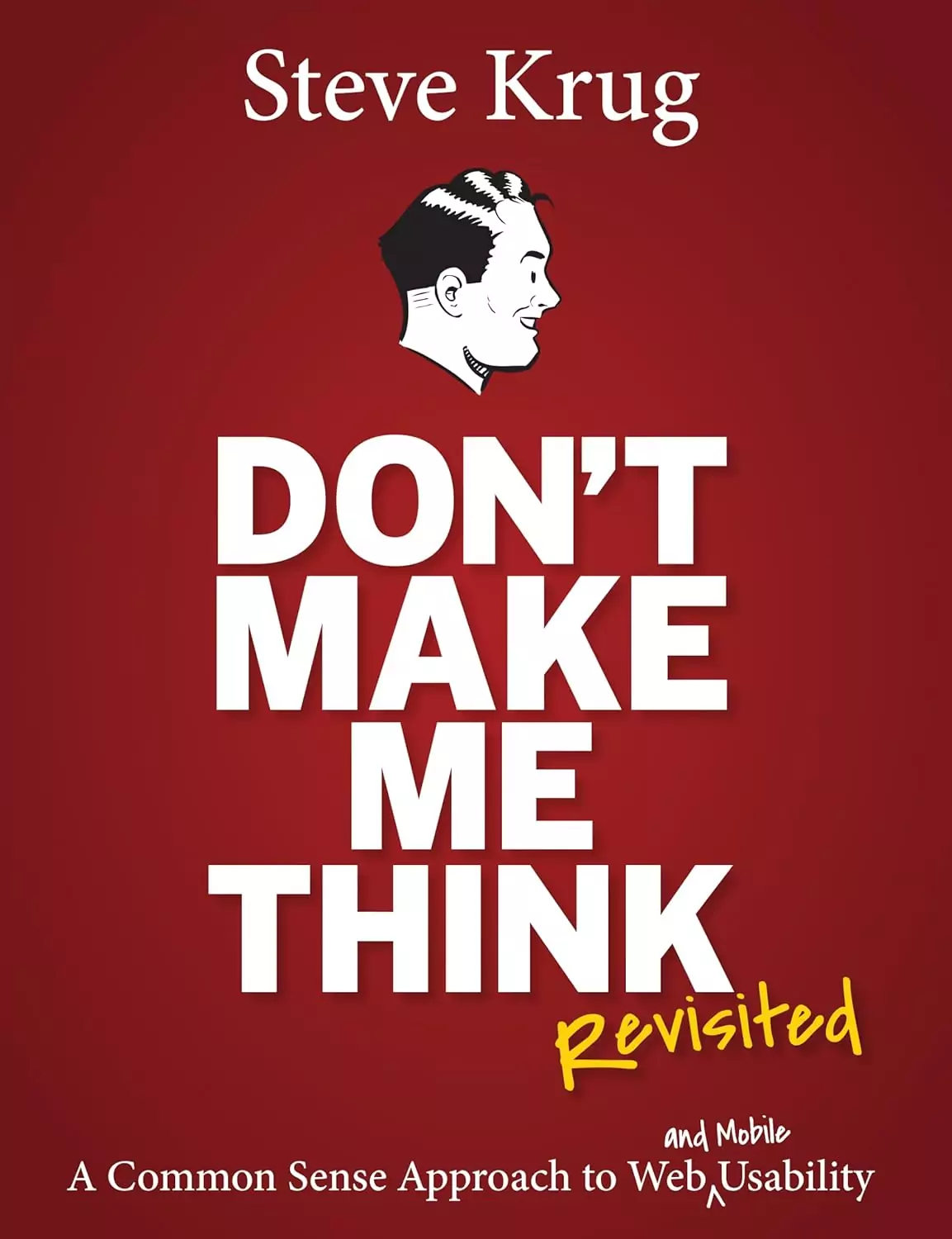
"Don't Make Me Think", Steve Krug
The clearest guide to web usability in print — gives you the vocabulary to evaluate whether an agency's UX decisions are grounded in user behavior or just aesthetic preference.
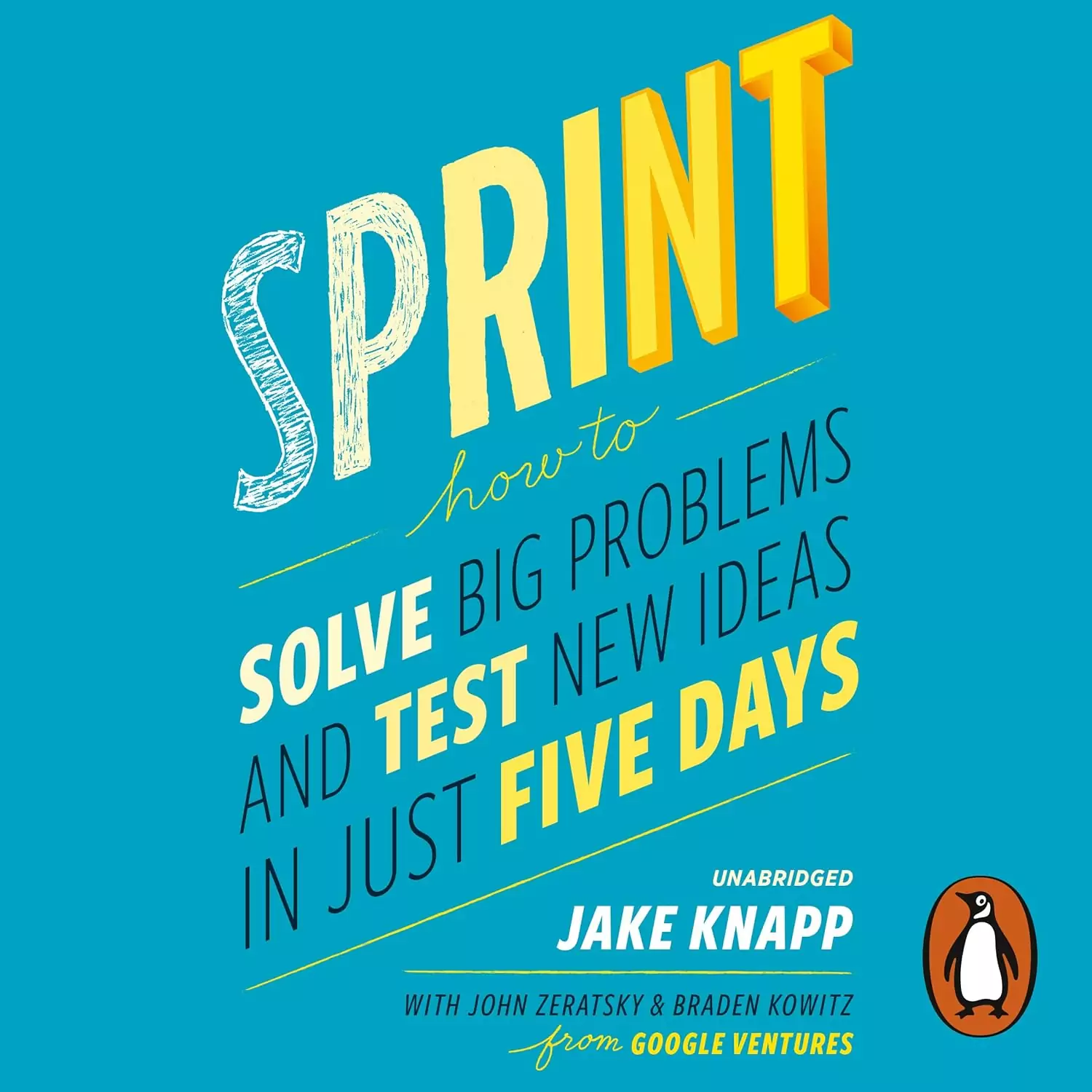
"Sprint", Jake Knapp, John Zeratsky & Braden Kowitz
A five-day framework for solving design and product problems; helps you understand what a rigorous discovery and prototyping process looks like so you can recognize when an agency is cutting corners.

"Shape Up", Ryan Singer (Basecamp)
A practical framework for how professional software and web teams scope, manage, and deliver projects — gives you the vocabulary to evaluate any agency's project management claims before you commit.
Last month, three prospects came to us after their agencies delivered beautiful sites that crashed on Black Friday. One fashion retailer lost $47,000 in four hours. Here's what they wish they'd known before signing.