
Creating a well-structured website is crucial for long-term success. Intuitive navigation and smart design enhance UX, retain visitors, and boost conversions. This article covers key strategies, common pitfalls, and essential tips for building an effective website.
Key Takeaways 👌
Optimized website architecture can significantly decrease the number of user mistakes
Intuitive navigation can drastically improve visitors' satisfaction
A well-designed website structure makes content easy to find, helping users locate what they need faster
Introduction
Imagine a library, where books are just scattered across different bookshelves without any kind of system – you would spend days trying to find the book you came for in there. The same goes for websites – with no intuitive structure in place, users will have trouble finding what they need, damaging retention and ultimately making the website itself useless.
There are many methods to improving the structure you already have in place, but let’s start with the basics – analyzing what we already have on our hands.

Analyzing your current website structure
Before you start changing and fixing things, let’s make sure that everything that’s actually ok won’t get bulldozed as well.
Take a good look at your website, noting how things intertwine and work together — and whether the architecture supports your business goals.
This stage often reveals missing categories, messy URL paths, or duplicated content clusters. A well-organized structure is the backbone of both UX and SEO, which is exactly what site structure helps formalize.
- Make a website map. Visualize and analyze how different pages connect. This might sound basic, but this is where most of the issues start to surface.
- Analyze average user’s behavior. Using tools like Google Analytics and heat maps, check where your visitors are struggling the most.
- Check internal linking and overall SEO optimization. Visitors must actually find a way to your website first and foremost. Rate how effective your SEO optimization and internal linking are, and make sure that pages aren’t overloaded with keywords and potential queries.

Imagine that the structure of your website is like the foundation of a house. Without a reliable foundation, even the most beautiful house cannot withstand the test of time. A clear architecture ensures stability, ease of use, and the harmonious development of the entire project
Practical tips for improving your website structure
Once you’re done mapping what’s exactly wrong with your website, it’s finally time to do some renovating.
Here’s what you should put on the very top of your to-do list:
- Simplification of navigational menus. Menus are great only right until the point where they flood the user’s entire screen. Limit the number of menu elements, leaving only the most important ones intact.
- Creation of a logical hierarchy. Using the map you’ve created when visualizing your website, organize all the content in a logical and understandable way – from bigger to smaller. Category – sub-category – related content, to put it simply.
- URL and meta-tags optimization. URL addresses also should be as clear as possible and actually related to what your website’s all about. Use keywords in headers and page descriptions — and make sure content aligns with intent, not outdated assumptions. This is where on-page SEO becomes essential: proper canonicalization, clean slugs, consistent metadata, and well-planned internal linking prevent your pages from getting lost somewhere on page 20 of Google search.
- Internal linking improvement. No one wants to get a “404” message after clicking “find out more”. Make sure that all internal links are functional and helpful.
- Website design adaptation. Your website must be visible on both phones, wide monitors, and anything in between. Adaptive layouts, readable spacing, and intuitive click-depth are all part of an effective structure. These improvements usually go hand-in-hand with custom design work — simplifying interaction patterns, aligning navigation with user expectations, and ensuring that every device gets a coherent visual hierarchy.

Learn more about making your website a much safer and better place for every user with our article Website security tips: How to protect your website from threats
The benefits of a solid structure
Have you gone through all the steps above and are ready to enjoy the spoils? Here’s how your business can benefit from a well-designed website structure:
- Better UX. A clear structure allows visitors to navigate the website easily, reducing the bounce rate and increasing the time spent on the site. Site structure is where SEO and UX/UI design intersect — information architecture serves both search engines and users.
- Increased SEO efficiency. Good indexation is always good for business. More clients, more visitors – and better overall metrics.
- Simplified support and scaling. Now, when your website is as functional and intuitive as it can be, it can be easily scaled and maintained depending on your business's long-term goals.
- Strengthened brand trust. a well-designed website makes your business look good and real, attracting new customers.
Interesting fact 👀
Research shows that properly structured websites boost user engagement by up to 50% compared to those with a poor structure.
Structure is the foundation upon which everything else is built. Without it, neither design nor content can fully unlock their potential.
— Jason Fried, co-founder of Basecamp
Related articles:
Recommended reading 🤓

"Don't Make Me Think", Steve Krug
A guide to intuitive web usability emphasizing simplicity and clear navigation.
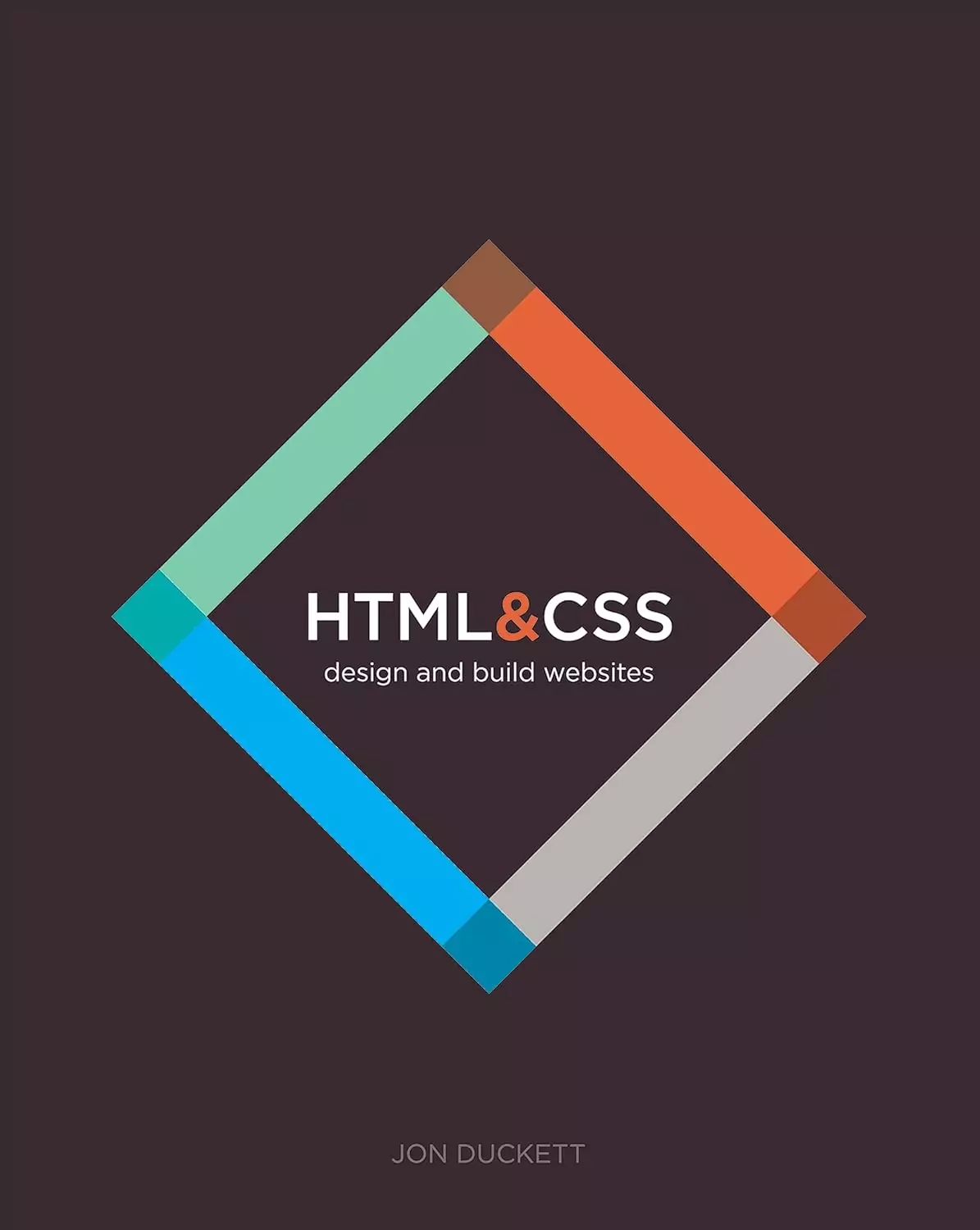
"HTML and CSS: Design and Build Websites", Jon Duckett
A visually engaging introduction to the fundamentals of HTML and CSS for creating modern, responsive websites.

"JavaScript and JQuery: Interactive Front-End Web Development", Jon Duckett
A comprehensive guide to adding interactivity to your website using JavaScript and jQuery.
Artyom Dovgopol
A website without structure is like a symphony without a conductor – chaos ensues.