
You've decided your startup needs a branding agency. Now you're looking at 50 portfolios that all look impressive and 50 proposals that all promise "strategic brand identity." Here are the 7 criteria that separate agencies that actually understand startups from agencies that treat you like a small version of their enterprise clients.
Key takeaways 👌
The right branding agency for a startup understands constraints. They deliver a minimum viable brand in 4–6 weeks for $5K–$15K, not a 60-page brand bible in 6 months for $80K. If the agency's minimum project size exceeds your total branding budget — they're not your agency.
Portfolio relevance matters more than portfolio beauty. An agency that's branded 10 startups at your stage will understand your trade-offs better than an agency with Fortune 500 logos that's never worked with a pre-revenue company. Ask for startup-specific case studies, not their highlight reel.
The agency's process reveals everything. Ask: "What happens in week one?" If the answer is "mood board and Pinterest references" — they skip research. If the answer is "customer interviews and competitive audit" — they start with strategy. The first answer costs you a rebrand in 18 months.
Introduction
You know you need branding. You've read the guides, compared a few agencies, and now you're sitting on a shortlist of 3–5 that all look competent. Their portfolios are beautiful. Their websites say the right things. Their proposals promise "strategic brand identity that drives growth."
The problem: they all look the same from the outside.
The difference between a branding agency that works for startups and one that doesn't isn't visible in the portfolio. It's visible in the process, the pricing model, the timeline expectations, and — most importantly — whether they've actually worked with companies at your stage and budget before.
This guide gives you 7 criteria to evaluate branding agencies specifically as a startup. Not generic "check their portfolio" advice — specific questions, specific red flags, and specific trade-offs that founders face when the branding budget is $15K, not $150K.
Why Getting This Right Matters More for Startups
The Economics of Getting It Wrong
For an enterprise, a bad rebrand is a write-off — expensive but survivable. For a startup, a bad branding decision has compounding consequences:
Wasted runway. $15K on branding that needs replacing in 12 months is $30K total — plus the opportunity cost of 3 months of brand confusion with investors and customers.
Investor perception. Your pitch deck is a brand touchpoint. If it looks like you threw it together in Canva (because the agency delivered a logo but no templates), investors notice.
Hiring signals. Top candidates google you before applying. A professional brand signals "this company is real." A generic one signals "this might not last."
Rebrand tax. Every touchpoint you create with the wrong brand — website, business cards, social profiles, pitch decks — becomes a touchpoint you have to redo later.
Partnership vs Transaction
Enterprise branding is a transaction: deliver the brand, hand off the files, move on. Startup branding should be a partnership: the agency understands you'll pivot, grow, and evolve. The brand they build needs to flex with you.
The agency that treats your $15K project like a "small job" will deliver small results. The agency that treats it like a strategic partnership — even at a lower price point — will deliver a foundation that scales.
Criterion 1: Startup Stage Experience
Why it matters more than you think
An agency that brands Series B companies understands how to build comprehensive brand systems. An agency that brands pre-seed companies understands how to build minimum viable brands that don't need replacing in 18 months. These are fundamentally different skills.
What to look for:
- Case studies from companies at YOUR stage (pre-seed, seed, Series A)
- Examples where the brand lasted 2+ years without a major overhaul
- Understanding of "good enough now" vs "perfect eventually"
How to evaluate
Ask: "Show me a brand you built for a company with fewer than 10 employees and under $15K budget. Is that brand still in use?"
If they can't show one — they haven't done it. If every example is a $50K+ project — their process isn't calibrated for your constraints.
What to do if the ideal doesn't exist
Freelancers and solo brand designers are often better for pre-seed than agencies. Lower overhead, faster turnaround, more comfortable with small budgets. The trade-off: less strategic depth, more execution-focused. At pre-seed, that's often the right trade-off.

Criterion 2: Process Transparency
Why it matters more than you think
"We have a proprietary process" is agency code for "we won't tell you what we do until you've signed." Transparent process = predictable timeline, predictable cost, and the ability to evaluate whether their approach matches your needs.
How to evaluate
Ask for a week-by-week breakdown of their process. Specifically:
- Week 1: What happens? (Research? Mood boards? Strategy workshop?)
- Deliverables at each stage: What do you see, and when?
- Decision points: Where do you give feedback, and how many rounds are included?
- What's NOT included: Content writing? Photography direction? Social media templates?
The answer reveals whether they start with research (good) or start with design (risky). It reveals whether "3 rounds of revision" means 3 rounds of the logo or 3 rounds of the entire brand. Details matter.
What to do if the ideal doesn't exist
If an agency won't share their process before you sign, ask for a paid discovery session ($500–$1,500) that covers week one. This shows you their actual process without committing to the full project. If they refuse even this — walk away.
Hire for the problem, not the portfolio. A beautiful portfolio means they can design. It doesn't mean they can think strategically about YOUR specific business challenge.
— Jason Fried, Co-founder, 37signals (Basecamp)
Criterion 3: Deliverables Clarity
Why it matters more than you think
"Brand identity package" means different things to different agencies. For one agency, it's a logo and two colors. For another, it's a logo system, color palette, typography, brand book, pitch deck template, social media templates, and business cards. The price might be the same.
How to evaluate
Request a deliverables list — not categories, specific items:
Minimum for any startup branding project:
- Logo: primary + secondary + icon (3 versions minimum)
- Colors: primary palette with hex/RGB values (not just "a blue")
- Typography: specified font with hierarchy rules
- Basic guidelines: 1-page reference (minimum) or brand book (15+ pages)
Should have at seed stage:
- Pitch deck template
- Social media profile assets
- Email signature design
- Business card design
Nice to have (Series A+):
- Full brand book (20+ pages)
- Design system in Figma
- Photography/illustration direction
- Motion guidelines
If the proposal says "brand identity" without listing specific deliverables — ask. The answer determines whether you're getting a logo or a system.
What to do if the ideal doesn't exist
Prioritize ruthlessly. Logo system + colors + font + pitch deck template = the four deliverables that impact your next 12 months most. Everything else can wait for the next stage.

Ask yourself: if the agency disappeared tomorrow and you had to hand their files to a new designer — would that designer have enough information to create on-brand materials without guessing? If not, the deliverables aren't complete enough.
Criterion 4: Pricing Model and Budget Fit
Why it matters more than you think
Startup branding budgets range from $3K to $40K. The agency's pricing model determines whether you get a good outcome at your specific budget — or a rushed version of their enterprise process.
How to evaluate
Pricing models you'll encounter:
Model |
How It Works |
Best For |
Risk |
Fixed price |
Set fee for defined scope |
Clear budgets, defined deliverables |
Scope creep if deliverables aren't specific |
Hourly |
Pay per hour worked |
Uncertain scope, evolving needs |
Budget unpredictability |
Tiered packages |
Bronze/Silver/Gold options |
Comparing what you get at each level |
"Bronze" might be too thin |
Sprint-based |
Fixed price per sprint (usually 2 weeks) |
Iterative approach, startup-friendly |
Needs clear sprint goals |
Retainer |
Monthly fee for ongoing work |
Post-launch brand management |
Overkill for initial branding |
The startup-friendly answer: Fixed price with clear deliverables, or sprint-based. Hourly is risky (costs are unpredictable). Retainer is premature (you don't need ongoing brand management at seed stage).
Budget reality check:
Budget |
What You Should Expect |
What You Shouldn't Accept |
$3K–$5K |
Logo + colors + font + 1-page guide |
"Full brand identity" — impossible at this price |
$5K–$15K |
Logo system + palette + typography + basic brand book + 2-3 templates |
"Premium brand strategy" — strategy at this budget is light |
$15K–$40K |
Full research + positioning + identity + brand book + templates |
Rushing — at this budget, expect 8-12 weeks |
What to do if the ideal doesn't exist
If your budget is under $5K, consider a solo brand designer or design studio rather than an agency. Agencies have overhead that makes sub-$5K projects economically difficult for them — you'll get their junior team or a rushed process.
Criterion 5: Communication and Collaboration Style
Why it matters more than you think
A branding project is 4–12 weeks of close collaboration. If communication doesn't work, the result suffers — regardless of talent. Startups need agencies that communicate at startup speed, not enterprise speed.
How to evaluate
During the sales process, note:
- Response time: Do they reply within 24 hours, or does it take a week? During the project, this gets worse, not better.
- Communication channel: Slack/Teams (real-time) vs email (async). Startups usually need faster feedback loops.
- Decision-makers: Will you work with the person who pitched you, or be handed off to a junior designer? Ask directly: "Who will I be communicating with day-to-day?"
- Feedback process: How do they handle revisions? Structured rounds (organized) vs ad-hoc (chaotic)?
What to do if the ideal doesn't exist
Accept that small agencies and freelancers communicate faster than large agencies. If fast communication matters more than brand-name agency prestige — go smaller.
Interesting fact 👀
Based on aggregated client feedback from platforms like Clutch, communication tends to be the primary factor affecting satisfaction in branding projects. Clients more often report issues with communication and process than with the final design outcome.
Criterion 6: Strategic Depth vs Pure Design
Why it matters more than you think
Some agencies are design studios that make beautiful things. Other agencies are strategy firms that start with positioning and let strategy drive design. For startups, the distinction is critical: a beautiful logo on unclear positioning is a beautiful mistake.
How to evaluate
Ask: "What happens before you start designing?"
Design-first agency (risky for startups):
"We start with a mood board and visual exploration. We'll create 3 concepts and you choose the direction."
→ Translation: They skip research and start guessing.
Strategy-first agency (better for startups):
"We start with understanding your audience, competitors, and positioning. The visual direction comes from what we learn."
→ Translation: Design decisions are informed by data.
The minimum strategic work for any startup branding project:
- 3–5 customer conversations (or review of existing customer feedback)
- Competitive visual audit (what do 5–8 competitors look like?)
- One-sentence positioning statement
- 3 brand personality attributes with definitions
If the agency doesn't include at least this — they're designing blind.
What to do if the ideal doesn't exist
If your budget only covers design (under $5K), do the strategic work yourself. Write your positioning statement. Talk to 5 customers. Audit 5 competitors' brands. Then hand the agency a clear brief based on evidence, not preferences.
Criterion 7: Post-Project Support
Why it matters more than you think
The brand is delivered. Two weeks later, you need a LinkedIn banner in a size they didn't include. A month later, you realize the logo doesn't work on a dark background. Three months later, you're creating a new product page and aren't sure which font weight to use for subheadings.
What happens now?
How to evaluate
Ask before signing:
- Bug fixes: If something doesn't work (logo renders poorly at small size, color looks wrong in print) — is there a warranty period?
- Additional assets: What's the process and cost for assets not in the original scope? (Hourly? Per-asset pricing? Retainer option?)
- File ownership: Do you own everything? Source files (AI, PSD, Figma), fonts, photography licenses? Get this in writing.
- Handoff quality: Will they organize files logically? (Not a folder of "final_v3_FINAL_revised.ai" files)
What to do if the ideal doesn't exist
Negotiate a 30-day "warranty" period into the contract — any production issues with delivered files are fixed free. After that, agree on an hourly rate for additional work. Most agencies will agree to this if asked.
Making the Final Decision
You've evaluated 3–5 agencies against all 7 criteria. Now score them:
Criterion |
Agency A |
Agency B |
Agency C |
1. Startup stage experience |
/5 |
/5 |
/5 |
2. Process transparency |
/5 |
/5 |
/5 |
3. Deliverables clarity |
/5 |
/5 |
/5 |
4. Pricing & budget fit |
/5 |
/5 |
/5 |
5. Communication style |
/5 |
/5 |
/5 |
6. Strategic depth |
/5 |
/5 |
/5 |
7. Post-project support |
/5 |
/5 |
/5 |
TOTAL |
/35 |
/35 |
/35 |
Weighting for startups: Criteria 1 (stage experience), 4 (budget fit), and 6 (strategic depth) should carry double weight. A beautifully organized agency with zero startup experience at twice your budget is the wrong choice — regardless of their portfolio.
The tie-breaker: If two agencies score similarly, go with the one whose process you understand better. Predictability matters more than marginal quality differences.
Red Flags Checklist
Walk away if:
- No startup case studies. "We work with companies of all sizes" means "we'll figure out your budget constraints during the project."
- Fixed price without scope document. $12,000 for "brand identity" without listing specific deliverables = guaranteed misalignment.
- "We can start next week." Good agencies are booked 2–6 weeks out. Immediate availability means either they're between failed projects or their team is underutilized.
- The pitch team isn't the project team. The senior partner sells; the junior designer delivers. Ask: "Who will I work with day-to-day?" and insist on meeting them.
- No research phase. If week one is "mood board" instead of "customer interviews" — they're designing based on assumptions.
- They don't ask about your business. If the first meeting is about aesthetics and timelines without understanding your revenue model, customer, and competitive landscape — they're building a decoration, not a business tool.
- Ownership isn't clear. "We retain ownership of the concepts" or "source files are extra" = you don't actually own your brand.
- They push for more than you need. A seed-stage startup doesn't need a 40-page brand book, motion guidelines, and sonic branding. An agency that upsells unnecessary deliverables doesn't understand your stage.
FAQ
How much should a startup spend on branding?
Pre-seed: $3K–$8K for a minimum viable brand (logo, colors, font, basic guidelines). Seed: $5K–$15K for a proper brand identity with templates. Series A: $15K–$40K for a complete brand strategy and identity system. Spending more than 2 months of runway on branding is almost never justified.
How long does startup branding take?
Minimum viable brand: 3–4 weeks. Full brand identity: 6–10 weeks. If an agency promises "complete brand identity in 2 weeks" — they're cutting corners. If they estimate 16+ weeks — they're running an enterprise process that doesn't fit startup pace.
Should I hire a freelancer or an agency?
Under $5K: freelancer or solo designer. $5K–$15K: small agency or studio (2–5 people). $15K+: mid-size agency with startup experience. Large agencies (50+ people) rarely have the right process or economics for startup projects.
What if I need to pivot after branding?
A well-built brand identity survives pivots if the positioning was done properly. The logo and visual system can flex to new markets. What breaks: messaging and audience definition — those need updating. This is why strategic work (positioning) matters more than visual design. A generic logo on strong positioning survives a pivot. A distinctive logo on zero positioning doesn't.
Can I do branding myself?
Strategy: yes, with frameworks (this article + a positioning exercise). Visual design: only if you have design skills. The $3K-$5K option (freelance designer + your strategic input) is usually better than full DIY — you handle strategy, a professional handles execution.
Want to discuss your project?
Share your vision with us, and we'll reach out soon to explore the details and bring your idea to life.
Conclusion
Choosing a branding agency as a startup comes down to one question: does this agency understand what "good enough for now, built to scale later" means?
The 7 criteria in this guide help you answer that question with evidence instead of gut feeling. Stage experience tells you they've done this before. Process transparency tells you what you'll actually get. Deliverables clarity prevents surprises. Budget fit ensures you're not overpaying or underfunding. Communication style predicts whether the project will be pleasant or painful. Strategic depth determines whether the brand will last. Post-project support ensures you're not abandoned after the handoff.
Score the agencies. Weight for what matters most at your stage. Watch for red flags. And remember: the best branding agency for a startup isn't the one with the most impressive portfolio — it's the one that delivers the most value within your specific constraints.
The brand that grows with your company is worth more than the brand that wins a design award and needs replacing in 18 months.
Recommended reading 🤓
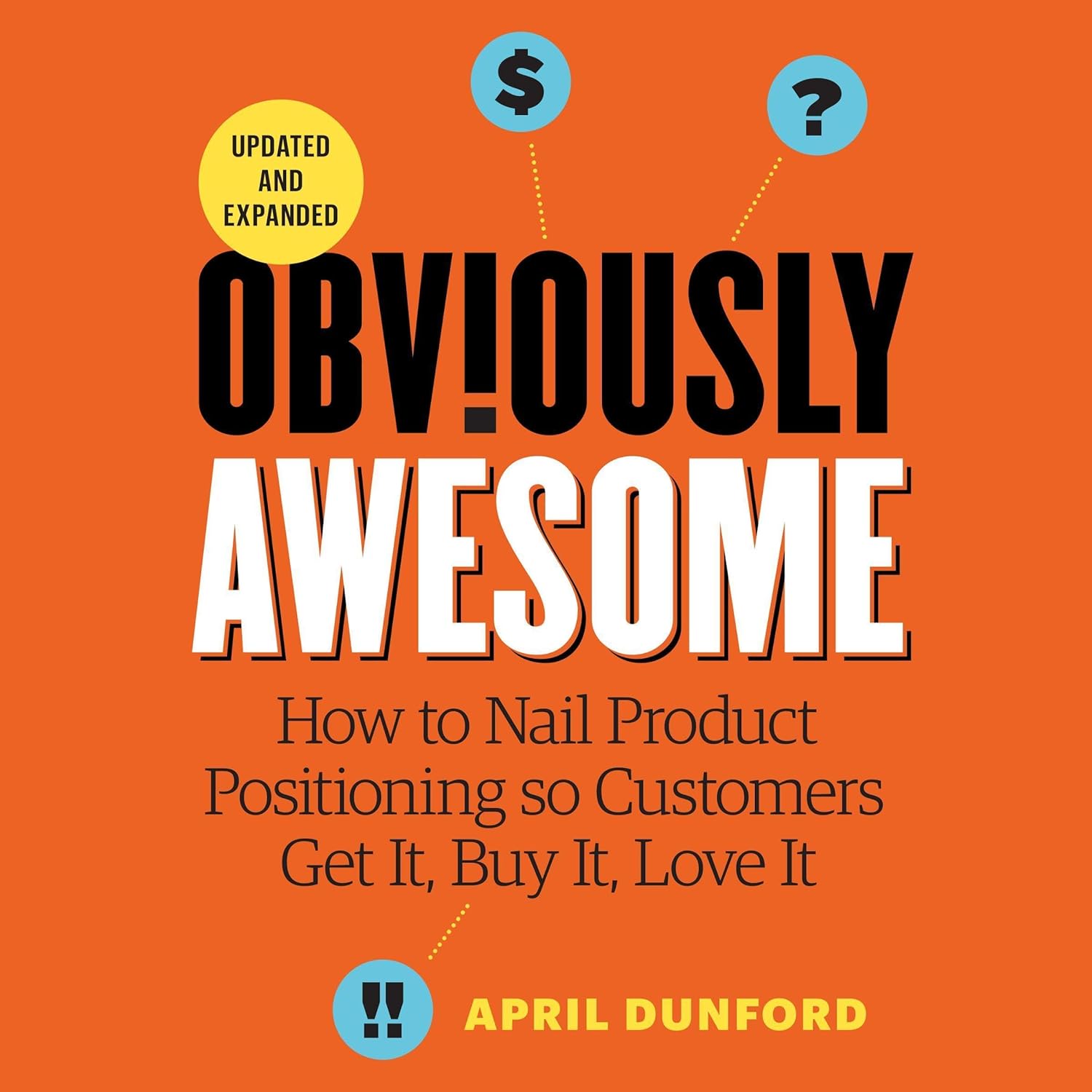
"Obviously Awesome", April Dunford
The best book on positioning for startups. Read this before you brief any branding agency — it will make your brief 10x clearer and your evaluation of their strategic work 10x sharper.
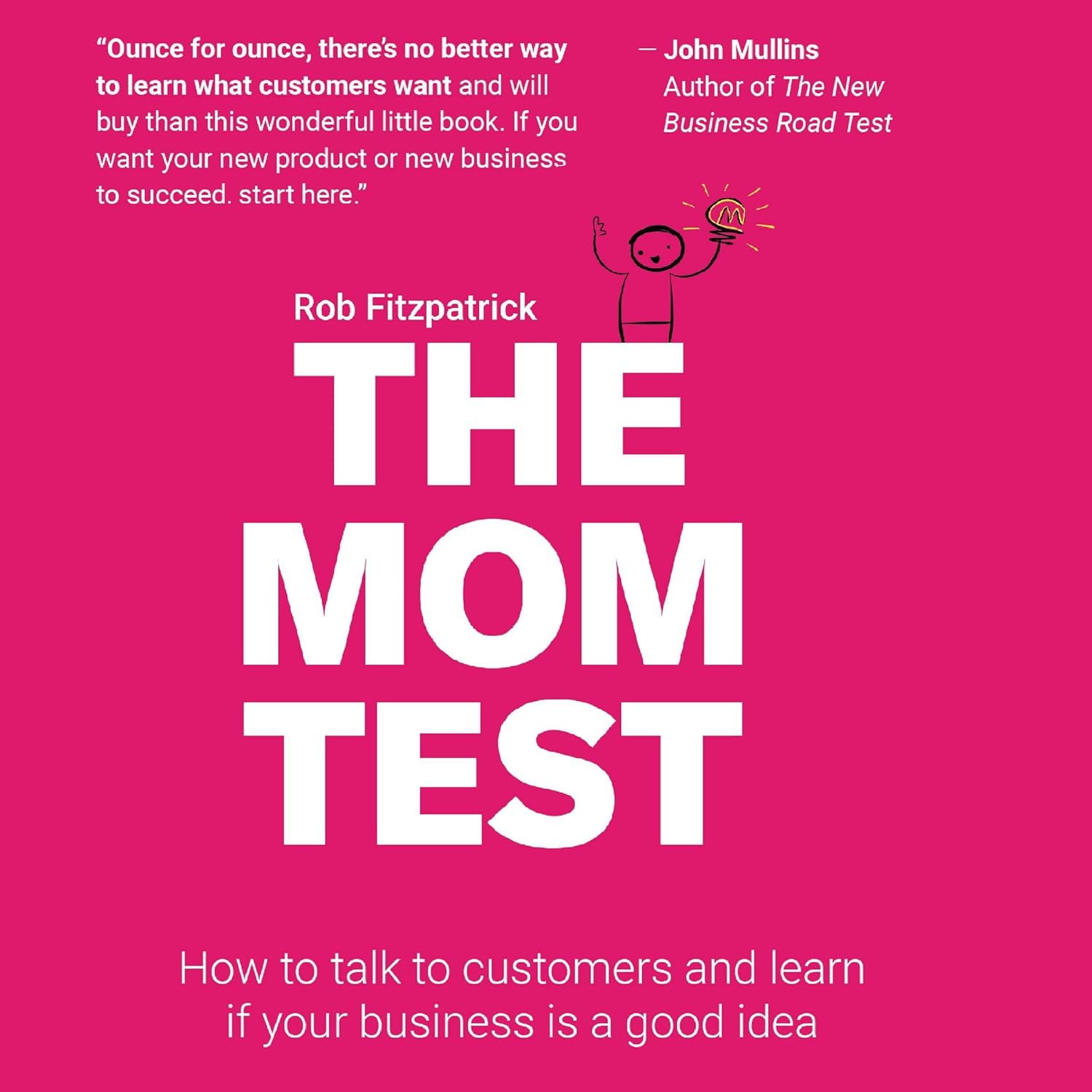
"The Mom Test", Rob Fitzpatrick
How to talk to customers and validate your business idea. The customer research techniques apply directly to branding: what language do customers use, what problems do they describe, what matters to them. Feed this into your brand brief.
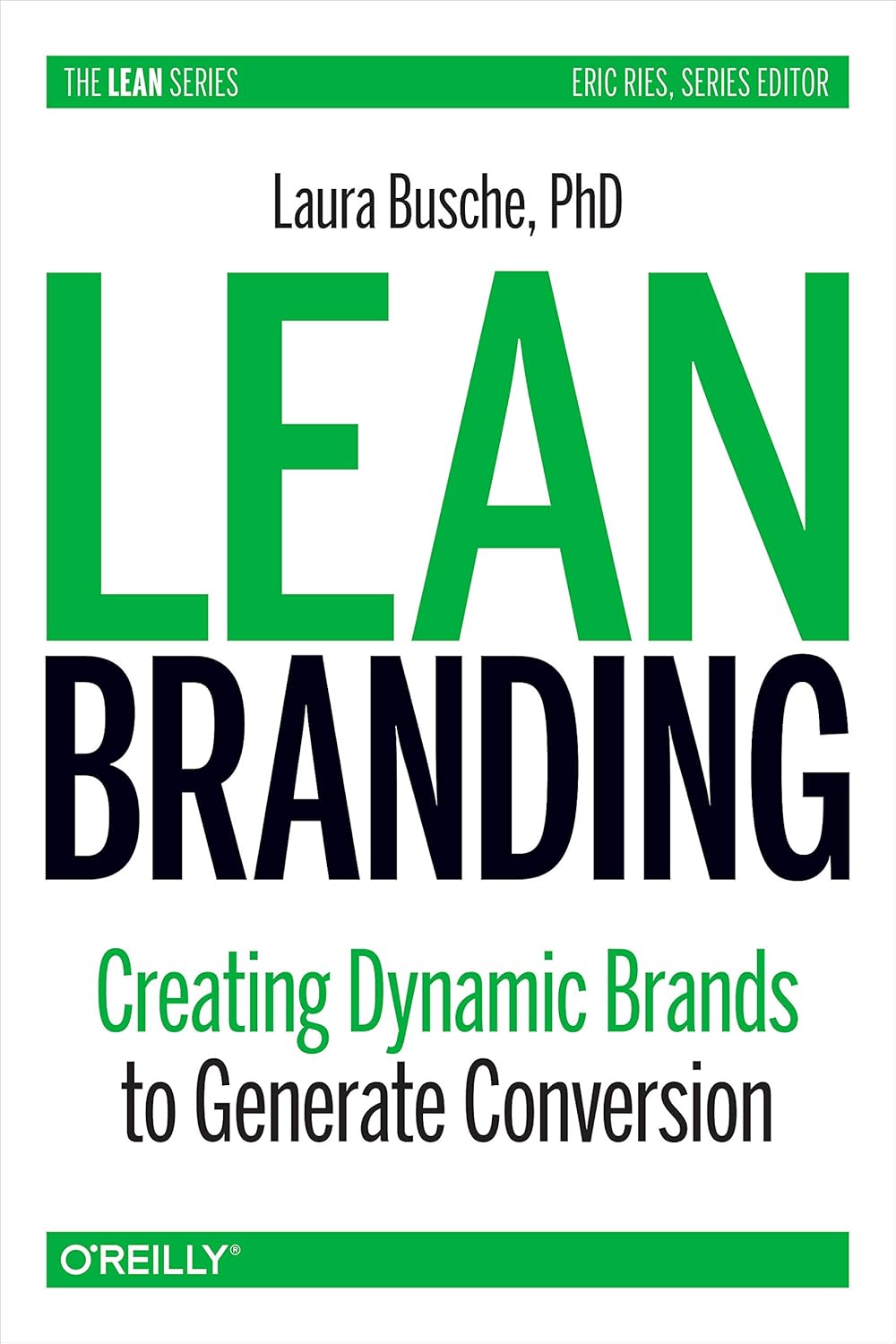
"Lean Branding", Laura Busche
The only branding book written specifically for startups using lean methodology. Covers minimum viable brand, iterative identity development, and how to balance brand investment with limited runway.
The biggest mistake startup founders make when hiring a branding agency isn't picking the wrong portfolio — it's picking an agency built for the wrong stage. An agency that's brilliant for Series B rebrands will overengineer and overcharge a seed-stage startup. Match the agency to your stage, not to their best case study.