
Brand identity, brand strategy, and brand image — three terms that get used interchangeably, cost companies millions in misallocated budgets, and mean completely different things. Here's what each one actually is, who owns it, and which one to fix first.
Key takeaways 👌
Brand strategy is the decision layer — it defines who you are, who you're for, and why you're different. Brand identity is the expression layer — logos, colors, typography, design system. Brand image is what people actually think about you — and you don't control it directly.
Most branding failures happen because companies redesign identity (Layer 3) without fixing strategy (Layer 1). A new logo on a broken positioning is a $50K paint job on a house with foundation cracks. Fix strategy first, then let identity express it.
Brand image is the only metric that matters to customers — but you can only influence it through the alignment of strategy and identity. When what you say (strategy) matches what you show (identity) matches what you deliver (experience) — image takes care of itself.
Introduction
A company hires an agency to "fix their branding." The agency delivers a new logo, updated colors, fresh typography, and a 40-page brand book. Six months later, sales hasn't moved. Customer perception hasn't shifted. The CEO asks: "Why didn't the rebrand work?"
Because they fixed the wrong thing.
They had a brand identity problem — or so they thought. What they actually had was a brand strategy problem. The logo wasn't the issue. The positioning was unclear, the messaging was inconsistent, and the value proposition was indistinguishable from three competitors.
This confusion between identity, strategy, and image is the most expensive misunderstanding in branding. It determines whether you spend $50K solving the right problem or the wrong one. This article clarifies exactly what each term means, what it includes, who owns it, and — most importantly — which one to fix when something isn't working.
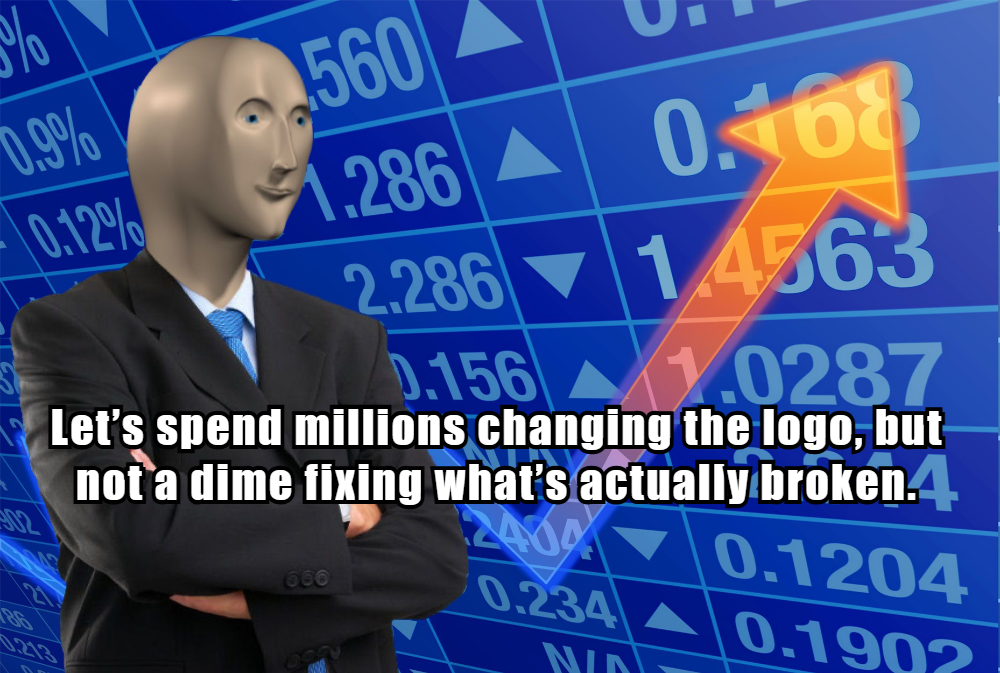
When the CEO says "let's rebrand" but the real problem is that customer support takes 72 hours to respond and the product crashes every Thursday. Sure, a new logo will definitely fix the churn rate. The brand book will be beautiful though.
Brand Strategy: The Decision Layer
Brand strategy is invisible to customers. They never see it, never read it, never interact with it. But they feel it in everything the company does.
What it is: The set of decisions that define what the brand stands for, who it's for, and how it's different from every alternative. Strategy answers questions that no design can answer: Why does this company exist? What problem does it solve better than anyone else? What should people believe about us — and why should they believe it?
What it includes:
- Positioning statement — one sentence defining your category, audience, differentiation, and proof points
- Value proposition — the primary reason to choose you over alternatives
- Target audience definition — behavioral personas based on research, not assumptions
- Competitive differentiation — what you do that competitors can't easily copy
- Brand architecture — how your products, services, and sub-brands relate to each other
- Brand narrative — the story of why your company exists and what change it's making
Who owns it: CEO and marketing leadership. Strategy is a business decision, not a design decision. An agency can facilitate the process, but the answers come from the business.
When it breaks: When different people in the company describe what you do in different ways. When your sales pitch changes depending on who's presenting. When customers say they chose you "because of price" — meaning they see no other reason.
How to test it: Ask your CEO, sales lead, and newest hire to each describe the company's differentiation in one sentence. If you get three different answers, your brand strategy is broken or doesn't exist.

Want the complete step-by-step framework for building brand strategy from scratch? Our pillar guide covers the full system with stages, structure, and real examples — Complete Branding System: Building Brands

Brand Identity: The Expression Layer
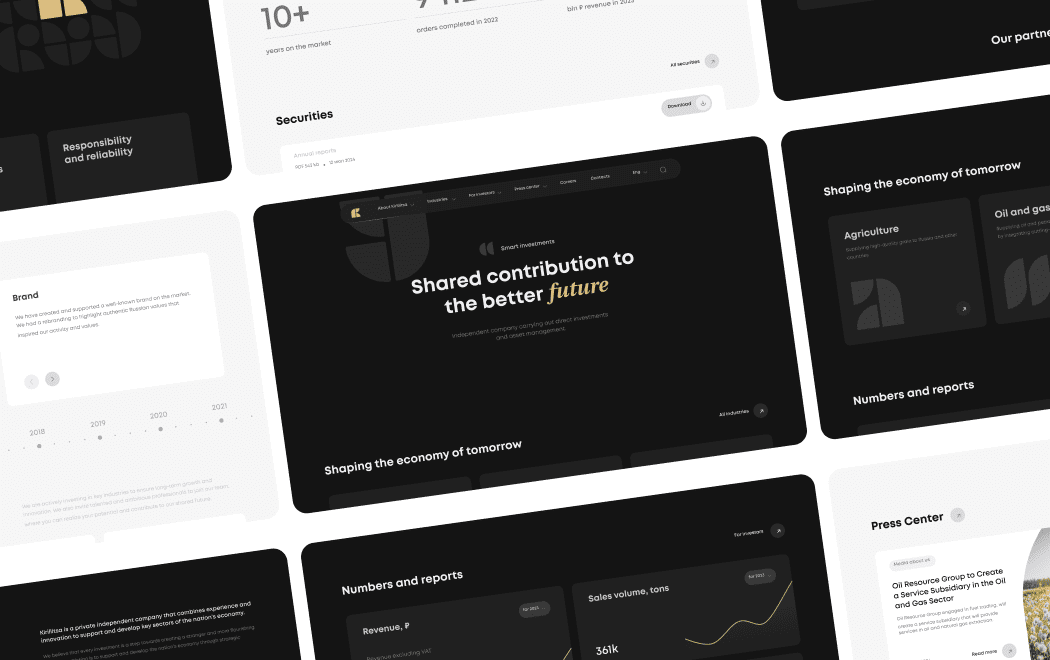
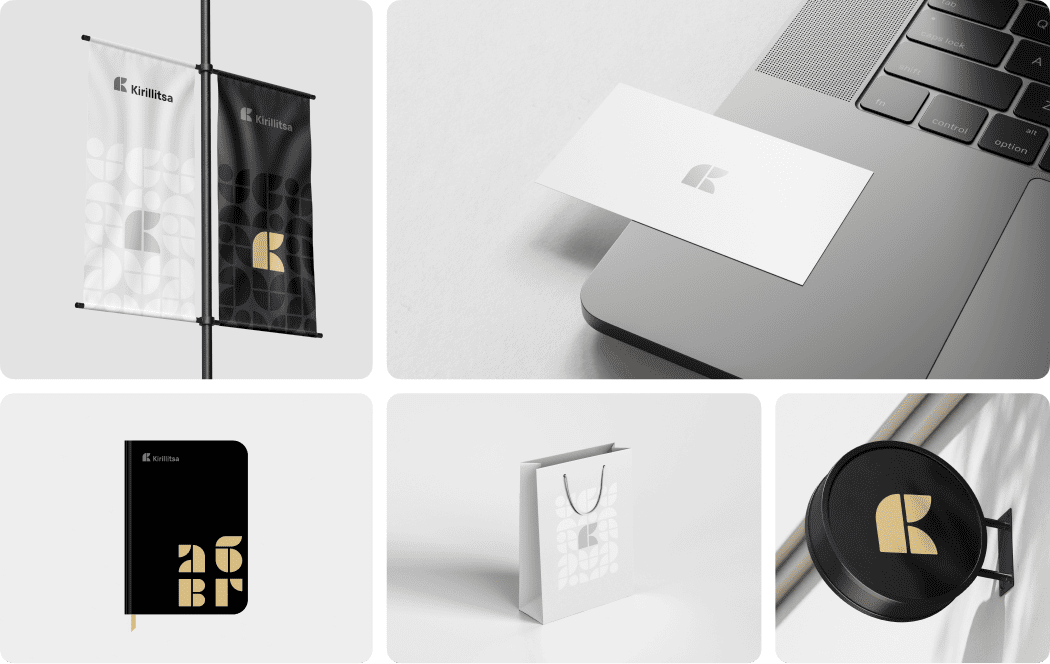
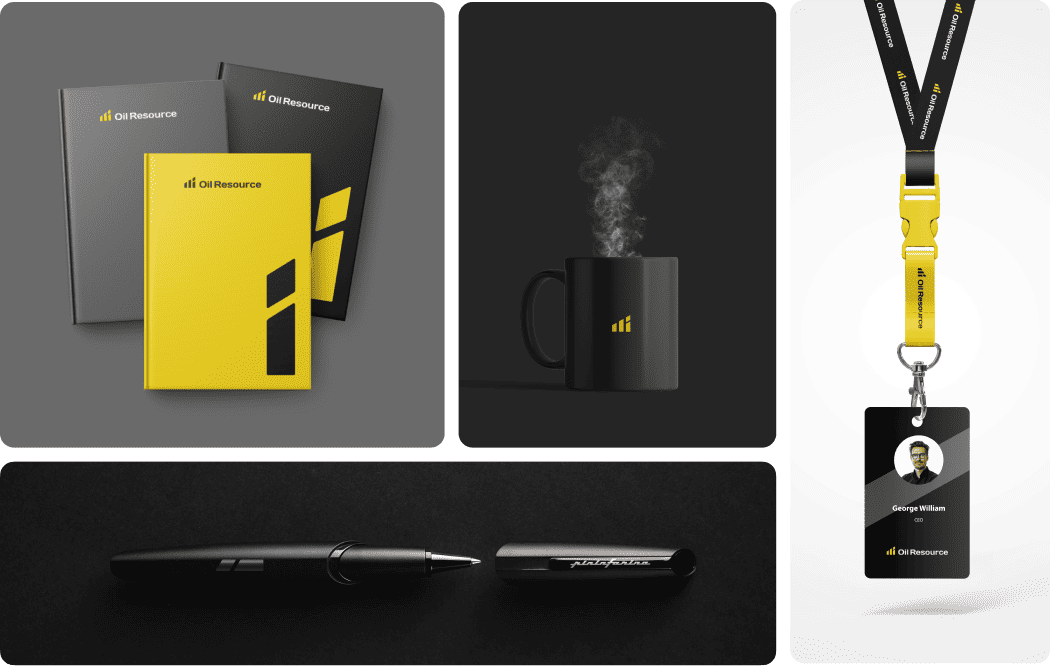
Brand identity is what most people picture when they hear "branding." It's the tangible, visible, audible expression of strategy — the translation of decisions into design.
What it is: The system of visual and verbal elements that make the brand recognizable and consistent across every touchpoint. Identity is the bridge between strategy (what we stand for) and experience (what people encounter).
What it includes:
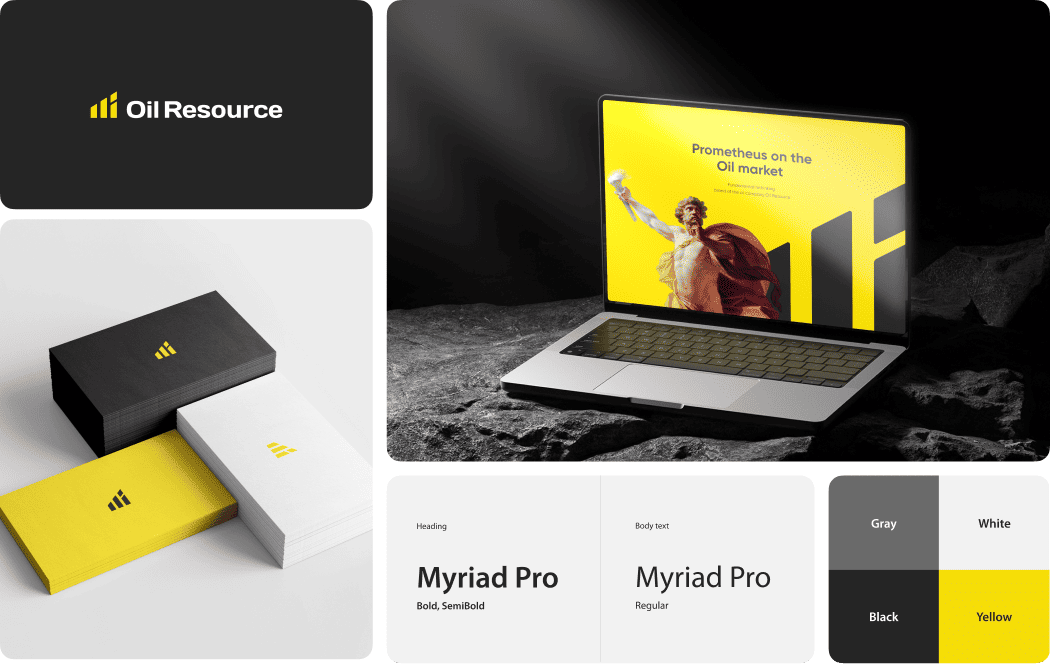
- Logo system — primary mark, secondary mark, icon, responsive versions
- Color system — primary palette, secondary palette, functional colors
- Typography — heading and body typefaces, hierarchy rules, licensing
- Photography/illustration direction — what visual style represents the brand
- Iconography — custom icon set with consistent style rules
- Design system — reusable components for digital products (buttons, forms, cards)
- Brand book — the documentation that captures all of the above
- Tone of voice — how the brand sounds in writing (often grouped with verbal identity)
- Sonic identity — audio logo, hold music, notification sounds (for larger brands)
Who owns it: Design team and brand manager, guided by the strategy defined by leadership. Identity is a creative execution of strategic decisions — not an independent creative exercise.
When it breaks: When your website, pitch deck, and social media look like they come from three different companies. When new hires create off-brand materials because there's no system to follow. When you cringe at your own business card.
How to test it: Put your homepage, latest LinkedIn post, and last proposal side by side. Do they look and sound like the same company? If not, your identity has gaps — or it exists in a brand book that nobody uses.
Design is the silent ambassador of your brand.
— Paul Rand, Graphic Designer, Creator of IBM and ABC logos
Brand Image: The Perception Layer
Here's the uncomfortable part: brand image is the only one of the three that exists in the customer's mind. And you don't control it.
What it is: The sum of all perceptions, associations, and feelings that people have about your brand. Image is not what you say about yourself — it's what others say about you when you're not in the room. It's formed by every interaction: your website, your product quality, your customer support response time, your CEO's LinkedIn posts, your Glassdoor reviews, and what a friend said about you over coffee.
What it includes:
- Brand perception — what people think you do and how well you do it
- Brand associations — the concepts, emotions, and qualities people connect to your name
- Brand reputation — the accumulated judgment based on past experiences and third-party signals
- Brand recall — whether people think of you when they need what you sell
- Net Promoter Score — whether people recommend you to others
Who owns it: Nobody — and everybody. Image is the output of the entire company's behavior over time. Marketing can influence it. Product quality shapes it. Customer support can save it or destroy it. One bad Trustpilot review can reshape it for thousands of potential customers.
When it breaks: When customer perception doesn't match your intended positioning. When people describe you as "cheap" when you're positioning as "premium." When the most common association with your brand is a negative experience from three years ago that you've since fixed — but the image hasn't caught up.
How to measure it: Customer surveys ("How would you describe our company to a colleague?"), NPS, review sentiment analysis, social listening, win/loss analysis in sales.
How They Connect: The Brand Alignment Model
The three layers form a chain:
Strategy (what you decide to be) → Identity (how you express it) → Image (what people actually perceive)
When all three are aligned, the brand is strong:
- Strategy says "we're the most reliable option for enterprise"
- Identity communicates reliability: clean design, solid typography, consistent presentation
- Image confirms it: customers describe you as "dependable" and "professional"
When they're misaligned, the brand is broken — and the type of misalignment tells you what to fix:
Misalignment |
Symptom |
Root Cause |
Fix |
Strategy ≠ Identity |
Website says "innovative" but looks dated |
Identity hasn't caught up with strategy |
Redesign identity to match current positioning |
Strategy ≠ Image |
You position as "premium" but customers call you "budget" |
Strategy isn't delivered through experience |
Fix product/service quality, then update messaging |
Identity ≠ Image |
Beautiful brand but negative reviews |
Visual polish masks operational problems |
Fix operations, not design |
All three misaligned |
Nobody — including employees — can explain what you do |
No strategy exists |
Start from Layer 1: research and positioning |

Quick diagnostic: if your brand image doesn't match your brand strategy, the problem is almost never the logo. It's either the strategy itself (wrong positioning), the delivery (product/service doesn't match the promise), or the touchpoints (inconsistent experience across channels). Identity redesign fixes none of these.
Which One to Fix First: The Decision Framework
When something "isn't working" with your brand, the instinct is to redesign the identity. New logo, new colors, new website. It's tangible, it feels like progress, and the team gets excited about the reveal.
But identity is Layer 3. If Layers 1 and 2 are broken, redesigning Layer 3 is a waste of money.
Fix Strategy first if:
- You can't articulate your differentiation in one sentence
- Your team gives different answers about what you do and who you do it for
- Customers compare you to competitors you don't want to be compared to
- You compete on price because there's no other compelling reason to choose you
Cost: $15K–$40K | Timeline: 4–8 weeks
Fix Identity second if:
- Strategy is clear but visual execution is inconsistent or outdated
- Your materials look like they come from different companies
- Employees create off-brand content because there's no design system
- Your visual presence doesn't match your market positioning (look "cheap" but charge premium)
Cost: $20K–$80K | Timeline: 6–12 weeks
Fix Image third (through operations, not design) if:
- Strategy and identity are aligned but customer perception still lags
- Reviews mention problems you've already fixed
- The market still associates you with an old version of what you do
- You've repositioned but the market hasn't noticed
Fix: PR, case studies, customer success stories, improved delivery — not a new logo
Cost: ongoing | Timeline: 6–18 months
The most expensive mistake: redesigning identity when the problem is strategy. The second most expensive: redesigning identity when the problem is image (which requires operational fixes, not visual ones).
Interesting fact 👀
It typically takes multiple brand interactions before a customer begins to recognize and remember a brand. If those interactions are inconsistent — varying in visuals, messaging, or tone — they can weaken recognition rather than reinforce it. Consistency isn't just an aesthetic choice; it's fundamental to how brand perception is formed.
Common Mistakes: What Happens When You Confuse the Three
Mistake 1: "Our brand needs a refresh" (when the problem is strategy).
A mid-market SaaS company with flat growth hires an agency for a "brand refresh." The agency delivers a stunning new identity. The website is gorgeous. Revenue stays flat. Why? Because the positioning was "we're a project management tool" — same as 200 competitors. No amount of visual design fixes a commodity position.
Mistake 2: "We need better brand awareness" (when the problem is identity consistency).
A company buys LinkedIn ads, sponsors events, and publishes weekly content. Brand awareness grows — but conversion doesn't. The problem: every touchpoint looks slightly different. The LinkedIn banner uses one color scheme, the website uses another, and the pitch deck uses a third. People see the brand but don't build recognition because nothing looks consistent.
Mistake 3: "We need to rebrand" (when the problem is product quality).
An e-commerce brand with declining NPS commissions a rebrand. New name, new logo, new packaging. Customers notice — and post reviews saying "new look, same problems with shipping." Brand image didn't improve because the rebrand addressed perception, not the root cause.
The common thread: each company identified the symptom correctly but misdiagnosed the layer. Strategy problems require strategy work. Identity problems require design work. Image problems require operational work. Applying the wrong fix to the wrong layer wastes budget and time — and often makes things worse.
The Alignment Checklist
Use this to audit your brand across all three layers:
Strategy (Layer 1):
- Written positioning statement exists and is current
- The leadership team can articulate it consistently
- Target audience is defined by behavior, not just demographics
- Differentiation is specific, defensible, and provable
- Brand architecture is documented (if multiple products/services)
Identity (Layer 2):
- Logo system works at all sizes (billboard to favicon)
- Color, typography, and imagery guidelines exist and are used
- Design system/brand book is accessible to everyone who creates materials
- All touchpoints (website, social, sales materials, email) look like the same company
- Tone of voice is documented with real examples
Image (Layer 3):
- Customer descriptions match intended positioning
- NPS is above industry benchmark
- Review sentiment is positive and consistent
- Win/loss analysis shows brand as a positive factor
- Employees describe the brand consistently to external audiences
Count your gaps. The layer with the most unchecked boxes is where to invest first.
Want to discuss your project?
Share your vision with us, and we'll reach out soon to explore the details and bring your idea to life.
Conclusion
Brand strategy, brand identity, and brand image are three distinct layers that work together — or fail together.
Strategy is what you decide. Identity is how you express it. Image is what people actually believe.
When they're aligned, the brand compounds. Each interaction reinforces the same message, builds the same associations, creates the same trust. When they're misaligned, the brand leaks. Money goes to the wrong fixes, customers get confused, and the gap between intention and perception keeps growing.
The fix is always the same: diagnose which layer is broken before spending money. If you can't articulate your differentiation — fix strategy. If your materials are inconsistent — fix identity. If perception doesn't match reality — fix the experience.
Stop redesigning logos when the problem is positioning. Stop buying awareness when the problem is consistency. Stop rebranding when the problem is product quality.
Fix the right layer. In the right order.
Recommended reading 🤓
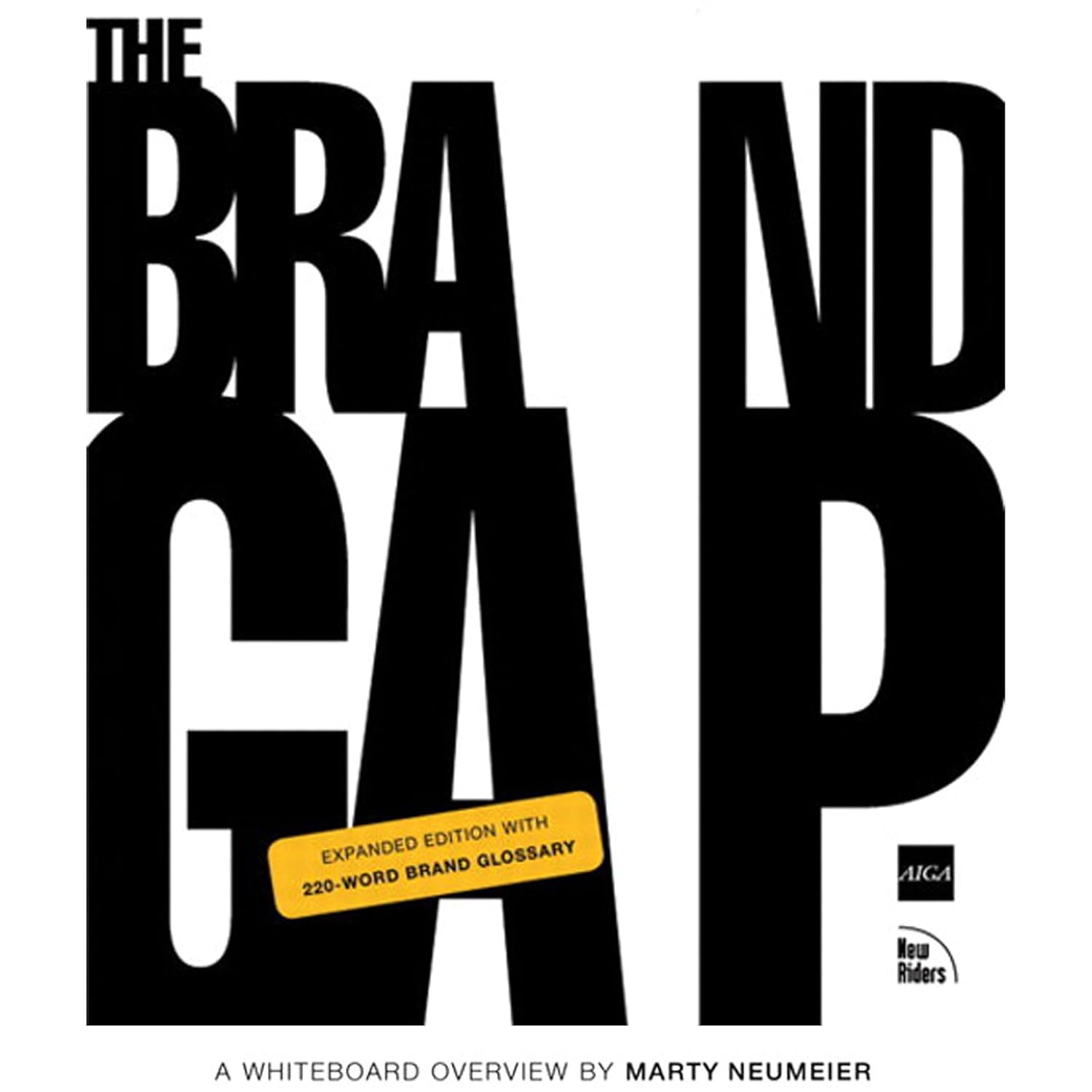
"The Brand Gap", Marty Neumeier
The clearest explanation of the gap between strategy and design in branding. Neumeier defines brand as "a gut feeling" — and explains how strategy, identity, and experience create that feeling together.
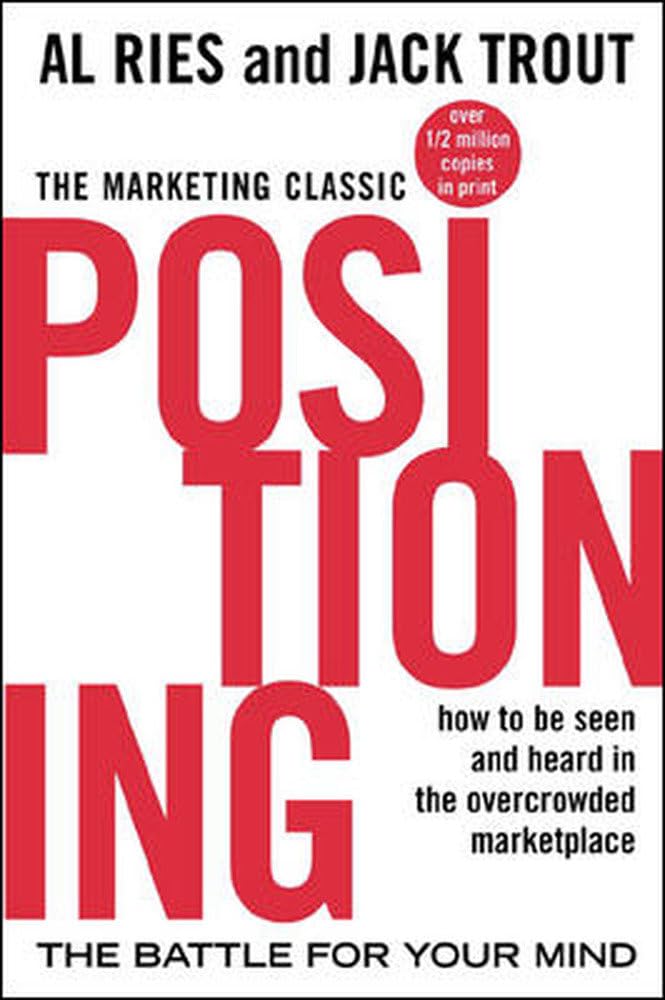
"Positioning: The Battle for Your Mind", Al Ries & Jack Trout
The original book on brand positioning — Layer 1 of this article. Published in 1981, still the most practical framework for defining where a brand sits in the customer's mind.
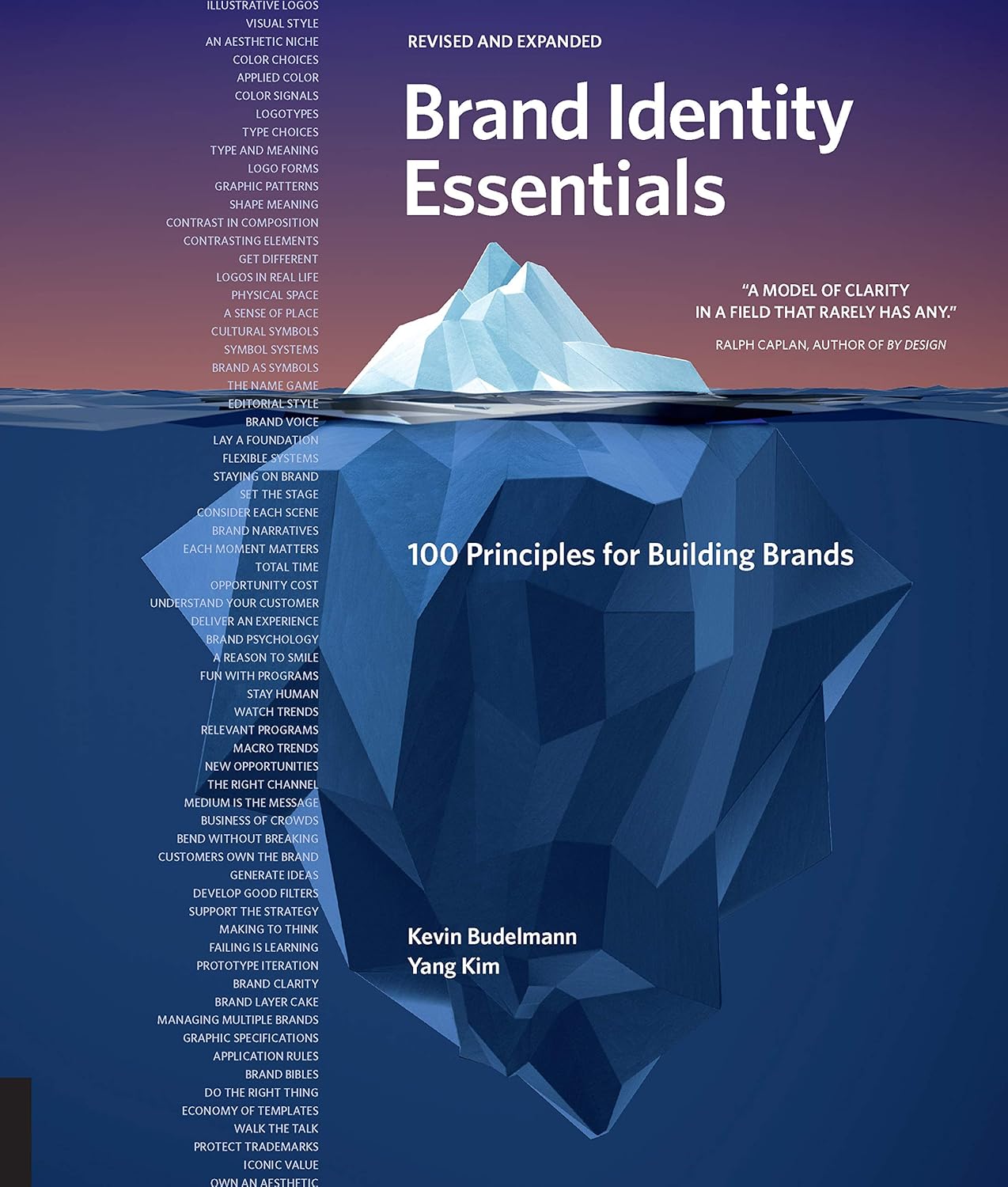
"Brand Identity Essentials", Kevin Budelmann & Yang Kim
A visual, practical guide to brand identity systems — Layer 2 of this article. Covers logos, color, typography, and design systems with real examples and clear principles.
Every month I meet a founder who says "we need to fix our brand identity" when the real problem is they have no brand strategy. They spend $40K on a new logo and six months later wonder why nothing changed. The logo was never the problem. The positioning was.