
NYC, Los Angeles, and Austin attract very different branding agencies. This comparison breaks down pricing, specialization, timelines, and industry fit to help you pick the right market for your next branding project.

Key takeaways 👌
NYC branding agencies charge 2–3x more than Austin but offer unmatched depth in finance, healthcare, and enterprise brand systems. Budget $25K–$150K+ for a full rebrand.
LA dominates entertainment, lifestyle, and DTC branding. Agencies here think visually first and strategically second — great for consumer brands, risky for B2B.
Austin is the value play: strong startup branding, fast timelines, and rates 40–60% below NYC. The trade-off is a smaller talent pool and fewer agencies with enterprise experience.
TL;DR: Quick Verdict: NYC vs Los Angeles vs Austin
NYC: Best for enterprise, finance, healthcare, and any brand that needs to win boardroom trust before consumer attention. Premium pricing, premium depth.
Los Angeles: Best for consumer brands, entertainment, lifestyle, and DTC companies that compete on visual identity and cultural relevance.
Austin: Best for startups, SaaS companies, and mid-market brands that need a strong identity fast without burning through a Series A.
Key factor: Match the agency market to your buyer — not your industry. If your customers are Fortune 500 procurement teams, NYC. If they scroll Instagram, LA. If they evaluate on Product Hunt, Austin.
NYC vs Los Angeles vs Austin — Branding Market Overview
NYC |
Los Angeles |
Austin |
|
Avg. brand identity project |
$30K–$150K+ |
$20K–$80K |
$10K–$45K |
Avg. full rebrand |
$50K–$250K+ |
$35K–$120K |
$15K–$60K |
Typical timeline |
10–16 weeks |
8–14 weeks |
6–10 weeks |
Number of branding agencies |
2,500+ |
1,800+ |
400+ |
Top industries served |
Finance, healthcare, media, luxury |
Entertainment, DTC, lifestyle, beauty |
SaaS, startups, cleantech, food & beverage |
Clutch avg. rating |
4.7 |
4.8 |
4.8 |
Remote-friendly |
Mixed — many prefer in-person |
Yes — distributed culture |
Yes — startup culture |
NYC is the largest branding market in the US by volume and spend. Over 2,500 agencies compete here, from global networks like Pentagram and Landor to boutique studios in Brooklyn. The sheer density means you can find deep specialization in almost any vertical — but you pay for it. A brand identity that costs $15K in Austin will run $40K–$60K in Manhattan, often with the same deliverables.
Los Angeles sits in the middle — not as expensive as NYC, not as lean as Austin. The city's entertainment DNA means agencies here excel at visual storytelling, cultural branding, and anything that needs to look stunning on a screen. If your brand lives on social media, LA agencies understand that world intuitively.
Austin has emerged as a serious branding market in the last five years. The city's startup ecosystem (ranked 6th in the US by Startup Genome, 2024) created demand for fast, affordable brand work. Agencies here tend to be smaller, more agile, and more comfortable with early-stage ambiguity. The trade-off: fewer options and less enterprise depth.

Pricing and Budget: What You Get at Each Price Point
NYC
New York agencies set the ceiling on US branding pricing. A logo-only project starts around $15K–$25K at a mid-tier studio. Full brand identity (logo, typography, color system, guidelines) runs $30K–$80K. Enterprise rebrands with strategy, naming, and multi-channel rollout regularly exceed $150K.
Why so expensive? Real estate, talent costs, and positioning. Senior brand strategists in NYC earn $120K–$180K — agencies pass that overhead to clients. But you also get teams that have worked with Fortune 500 companies, IPO-stage startups, and global nonprofits. The depth of experience is real.
Los Angeles
LA pricing sits 20–40% below NYC for comparable scope. A full brand identity runs $20K–$50K at a strong boutique. Full rebrands with strategy land between $35K–$120K. The savings come partly from lower overhead (agencies in Silver Lake or Culver City vs. Midtown Manhattan) and partly from a market that's less corporate-premium in positioning.
Where LA agencies punch above their weight: visual execution. Studios here routinely produce brand systems that feel more culturally current than NYC work — because the talent pool overlaps with entertainment, fashion, and music industries.
Austin
Austin is where budget-conscious companies find the best value-to-quality ratio. Brand identity projects start at $8K–$15K. Full rebrands run $15K–$45K. A handful of premium Austin agencies charge more, but the median is significantly below both coasts.
The savings are real, but so are the limitations. At the $8K–$15K level, you're likely getting a smaller team (2–3 people), fewer concept rounds, and less strategic depth. For startups that need a functional brand fast, that's fine. For companies planning a rebranding that needs to hold up for 5+ years across 20 touchpoints, it may not be enough.
Verdict: NYC wins on depth and enterprise credibility. LA wins on visual impact per dollar. Austin wins on speed-to-value for early-stage and mid-market brands.
Talent and Specialization: Who's Actually Doing the Work
NYC
New York's branding talent pool is the deepest in the country. The city attracts senior strategists, creative directors, and designers from global agencies — many of whom eventually launch their own studios. This means you can find specialists in almost any niche: healthcare branding, financial services, luxury goods, B2B SaaS, nonprofit.
The downside of depth is fragmentation. With 2,500+ agencies, quality varies wildly. The gap between a $200K Pentagram rebrand and a $30K generalist studio is enormous — and it's not always obvious from portfolios alone.
Key specializations: financial services branding, healthcare brand systems, luxury and fashion, media and publishing, institutional rebranding.
Los Angeles
LA's talent is skewed toward visual and cultural disciplines. The city produces exceptional art directors, motion designers, and brand photographers. Strategy talent exists but is thinner than NYC — many LA agencies outsource strategy or treat it as a lighter phase.
This creates a specific risk: beautiful brands that lack strategic depth. If your rebrand needs to solve a positioning problem (not just a visual one), vet LA agencies carefully on their brand strategy process.
Key specializations: entertainment and media branding, DTC and e-commerce, lifestyle and wellness, beauty and fashion, food and beverage.
Austin
Austin's talent pool is younger and more tech-oriented. Many agency founders came from startup roles — they understand product-market fit, growth metrics, and investor decks in a way that NYC brand strategists sometimes don't.
The limitation is scale. Austin has fewer senior-level brand strategists with 15+ years of experience. If you need someone who has led a Fortune 500 rebrand, your options are limited. But for Series A–C startups, the cultural fit is often better than either coast.
Key specializations: SaaS and tech branding, startup brand identity, cleantech and sustainability, food and beverage (local strength), event and experiential branding.
Verdict: NYC for enterprise depth and niche specialization. LA for visual excellence and consumer brand expertise. Austin for tech-native branding and startup-stage speed.
"The best branding agencies aren't defined by their zip code — they're defined by the problems they've solved. But geography still shapes culture, and culture shapes the work."
— Debbie Millman, Chair, SVA Masters in Branding
Timelines and Process: How Fast Can You Launch
NYC
Expect 10–16 weeks for a full brand identity in NYC. Enterprise rebrands with strategy, naming, and stakeholder alignment can stretch to 20+ weeks. NYC agencies tend to run more structured processes with formal discovery phases, multiple presentation rounds, and executive sign-offs.
This structure adds time but reduces risk. If your rebrand involves a board of directors, a legal review, or a public company announcement, NYC agencies know how to navigate those gates.
Los Angeles
LA agencies typically deliver in 8–14 weeks. The process is often more iterative and less formal than NYC — fewer slide decks, more Figma reviews. This speed comes partly from smaller teams and partly from a culture that's more comfortable making creative decisions fast.
The risk: fewer formal checkpoints can mean misalignment surfaces late. If your internal team isn't experienced at giving design feedback, an LA agency's lighter process may actually slow things down through revision cycles.
Austin
Austin is the fastest market — 6–10 weeks for a standard brand identity. Agencies here are built for startup speed. Many use sprint-based processes borrowed from product development. You'll see shorter discovery phases, faster concepting, and fewer rounds of revision.
For early-stage companies that need a brand to launch with, this speed is a genuine advantage. For companies where the brand needs to last 5–10 years, the compressed timeline may sacrifice strategic depth. See what a complete branding system typically includes to set realistic expectations for any timeline.
Verdict: NYC for high-stakes rebrands that need airtight process. LA for iterative, visually-driven projects. Austin for speed-to-market when timing matters more than perfection.

If your brand needs to convince a single decision-maker (a consumer scrolling Instagram), LA's visual-first approach may be exactly right. But if it needs to survive a procurement committee, a compliance review, and a 200-person sales team — process matters more than aesthetics. Which buyer are you actually designing for?
Industry Fit: Which Market Knows Your Sector
Finance and Healthcare → NYC
No contest. New York agencies have decades of experience navigating FINRA compliance, HIPAA requirements, and the visual language of trust that institutional buyers expect. If your brand needs to say "safe, regulated, and credible" — NYC agencies understand that brief intuitively.
Entertainment, DTC, and Lifestyle → LA
Los Angeles agencies live inside the culture your consumer brand needs to reference. They understand influencer-driven launches, social-first brand systems, and the visual standards of categories like beauty, wellness, and fashion. The gap between LA and other markets here is significant.
SaaS, Startups, and Cleantech → Austin
Austin agencies speak startup. They understand pitch decks, product-led growth, and the difference between a Series A brand and a Series C rebrand. The city's proximity to UT Austin and its role in SXSW culture means agencies here are comfortable with emerging categories that don't have established visual conventions.
B2B and Professional Services → NYC or Austin
Surprisingly, Austin competes with NYC here. Many Austin agencies serve B2B SaaS companies that sell to enterprise — so they understand the same buyer psychology as NYC agencies, just at lower price points. NYC still wins for traditional professional services (law, consulting, accounting).
Real Estate and Hospitality → NYC or LA
Both markets have deep experience here. NYC for commercial real estate and luxury hospitality. LA for lifestyle hospitality and residential development.
Verdict: Match the agency market to your buyer's expectations, not your own industry label. A fintech startup selling to banks needs NYC credibility. A fintech startup selling to consumers needs LA visual appeal.
Interesting fact 👀
According to the Bureau of Labor Statistics (2024), the New York metro area employs 42,300 graphic designers — more than Los Angeles (28,100) and Austin (6,800) combined. But Austin's design employment grew 34% between 2019 and 2024, the fastest rate among major US metros, reflecting the city's rapid emergence as a creative hub.
Remote Work and Collaboration: Does Location Still Matter
The short answer: less than it did, but more than you think.
NYC
NYC agencies have adapted to remote work, but many still prefer in-person for key phases — especially discovery workshops and brand presentations. If you're based in New York, this is a non-issue. If you're remote, expect some agencies to push for at least one on-site session.
Los Angeles
LA has embraced distributed work more fully than NYC. Many agencies here were already working with entertainment clients across time zones before 2020. Remote collaboration is smooth, and most LA agencies are comfortable running entire projects over Zoom and Figma.
Austin
Austin agencies are the most remote-friendly of the three markets. The city's startup culture normalized remote work early, and many agencies serve clients nationwide. If you're hiring based purely on quality-to-cost ratio and don't care about in-person meetings, Austin agencies offer the most flexibility.
The Real Question
Geography matters less for execution and more for cultural alignment. An NYC agency will instinctively design for boardroom credibility. An LA agency will design for social media impact. An Austin agency will design for product-market fit. These biases persist regardless of whether the project is remote or in-person.
Verdict: All three markets can deliver remotely. Choose based on cultural fit, not proximity.
Decision Framework: Choose Your Market
Choose NYC if: your brand needs to win trust with enterprise buyers, investors, or institutional audiences; you're in finance, healthcare, legal, or luxury; budget is $50K+ and timeline is 12+ weeks; you need an agency that has led rebrands at your scale before; regulatory compliance is a factor in your brand decisions.
Choose Los Angeles if: your brand lives on Instagram, TikTok, or in retail; you're in entertainment, DTC, beauty, lifestyle, or food & beverage; visual impact matters more than process documentation; budget is $20K–$80K and timeline is 8–14 weeks; you need culturally current design that connects with consumers.
Choose Austin if: you're a startup or mid-market company that needs a strong brand fast; you're in SaaS, tech, cleantech, or an emerging category; budget is under $50K and timeline is under 10 weeks; you value speed and flexibility over prestige; your team is comfortable giving direct creative feedback.
What to Look for in Any Market
Regardless of geography, evaluate branding agencies on these criteria:
1. Strategy before design. Ask how they approach positioning. If the answer jumps straight to "moodboards and concepts" — the strategy is likely thin. The best agencies in all three markets start with research, competitive analysis, and positioning before opening Figma.
2. Relevant portfolio, not just pretty work. A beautiful consumer brand doesn't prove they can handle B2B enterprise. Look for projects in your category or with your type of buyer.
3. Named team, not just the agency. Ask who will actually work on your project. At larger agencies, the team on the pitch is rarely the team on the project.
4. Clear deliverables and pricing. Get a fixed scope before signing. "We'll figure it out as we go" is a budget risk in any market. Knowing what a brand book should include helps you evaluate whether an agency's deliverables are complete.
5. Post-delivery support. A brand identity is useless if your team can't implement it. Ask about guidelines, templates, and whether source files are included.
6. Ownership clause. Confirm you own everything at delivery — logo, guidelines, source files. No licensing, no lock-in.
Common Misconceptions About Choosing by City
"NYC agencies are always better because they're more expensive." Price correlates with overhead, not necessarily quality. A $30K Austin agency with a focused team can outperform a $100K NYC agency that assigns your project to juniors. Evaluate the team, not the address.
"LA agencies only do pretty stuff with no strategy." This was more true five years ago. Several LA studios have invested heavily in strategy — but it's still not the market's default strength. Ask specifically about their strategy process and who leads it.
"Austin agencies are cheap because they're less experienced." Austin's cost advantage comes from lower overhead and a younger market, not lower quality. Several Austin agencies have teams with ex-NYC and ex-LA talent who relocated. The experience exists — the price just reflects Austin's cost of living.
"You need a local agency." For discovery workshops and brand immersion, proximity helps. For execution, it doesn't matter. Most branding work happens in shared design tools, video calls, and async feedback. Choose the right team, then solve logistics. How to choose agency — the same principles apply regardless of city.
FAQ
Is it worth paying NYC prices for branding if I'm a startup?
Usually no. Unless you're in a regulated industry (finance, healthcare) where brand credibility directly affects sales, a strong Austin or LA agency will deliver comparable quality at 40–60% less. Spend the savings on brand activation instead.
Can I hire an LA agency if I'm not in entertainment or lifestyle?
Yes. LA agencies increasingly serve B2B and tech clients. But verify their B2B portfolio specifically — don't assume entertainment expertise translates to enterprise SaaS branding.
How do Austin agencies handle complex rebrands?
The top Austin agencies handle them well — but the pool is smaller. If your rebrand involves 50+ touchpoints, multiple sub-brands, or a merger, you'll have fewer options in Austin than in NYC. Get references for projects at your complexity level.
Should I meet my branding agency in person?
For the discovery phase, one in-person session significantly improves alignment. After that, remote works fine. If budget is tight, a well-structured remote discovery with video can substitute — but it requires more preparation from both sides.
How long should a rebrand take?
A brand identity (logo, colors, typography, guidelines) takes 6–12 weeks depending on complexity. A full rebrand with strategy, naming, and rollout takes 12–24 weeks. Anything faster than 6 weeks for a full identity should raise questions about strategic depth.
Do I own the brand after the project?
You should. Insist on full ownership of all deliverables — logo, design files, brand guidelines, source files — at delivery. No licensing fees, no lock-in. If an agency pushes back on this, walk away.
What's the difference between a brand identity and a full rebrand?
A brand identity creates the visual system: logo, colors, typography, guidelines. A full rebrand includes strategy (positioning, messaging, audience research) plus the visual system plus implementation across all touchpoints. The strategy phase is what separates a $15K project from a $100K project.
Can a remote agency outside these three cities compete?
Absolutely. Geography matters less every year. A strong remote agency in Denver, Portland, or overseas can deliver excellent work. The three cities in this comparison are highlighted because they represent distinct agency cultures — not because other markets are inferior.
Want to discuss your project?
Share your vision with us, and we'll reach out soon to explore the details and bring your idea to life.

Conclusion
NYC, Los Angeles, and Austin each produce excellent branding work — but they produce different kinds of excellent work. NYC agencies build brands that survive procurement committees and regulatory review. LA agencies build brands that stop thumbs on a feed. Austin agencies build brands that launch fast and iterate with the product.
The mistake most companies make is choosing based on prestige or price alone. A $150K NYC rebrand is wasted on a DTC brand that sells through Instagram. A $12K Austin brand sprint is insufficient for a healthcare company entering a regulated market.
Match the agency's market culture to your buyer's expectations. Then evaluate individual agencies on strategy depth, relevant portfolio, team quality, and clear pricing.
If you're still unsure which market fits, start with a positioning audit — it will clarify what your brand actually needs before you commit to an agency or a budget.
Recommended reading 🤓
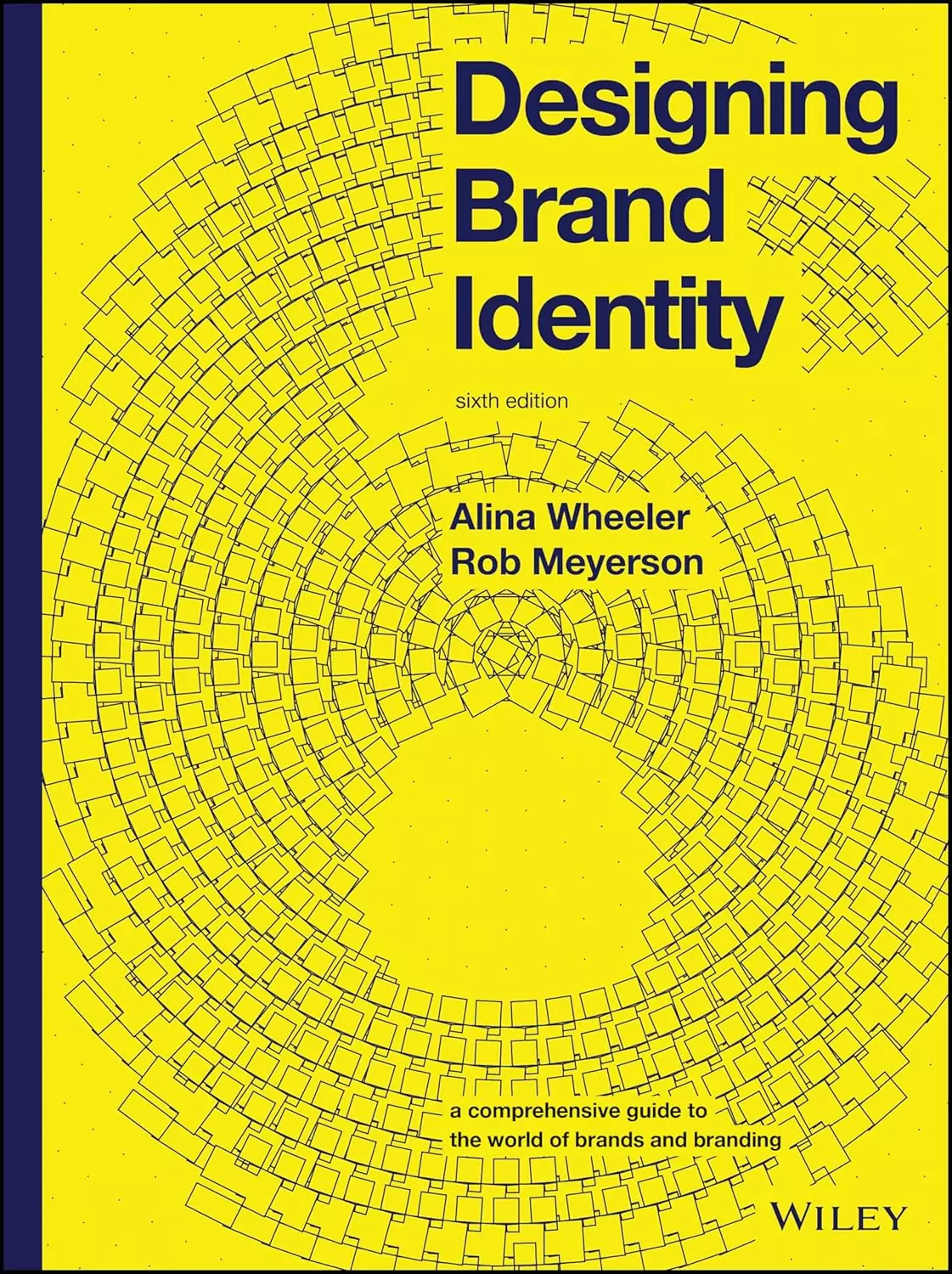
"Designing Brand Identity", Alina Wheeler
The definitive guide to the brand development process — from research through launch. Essential for understanding what deliverables to expect at each phase, regardless of which market you hire in.
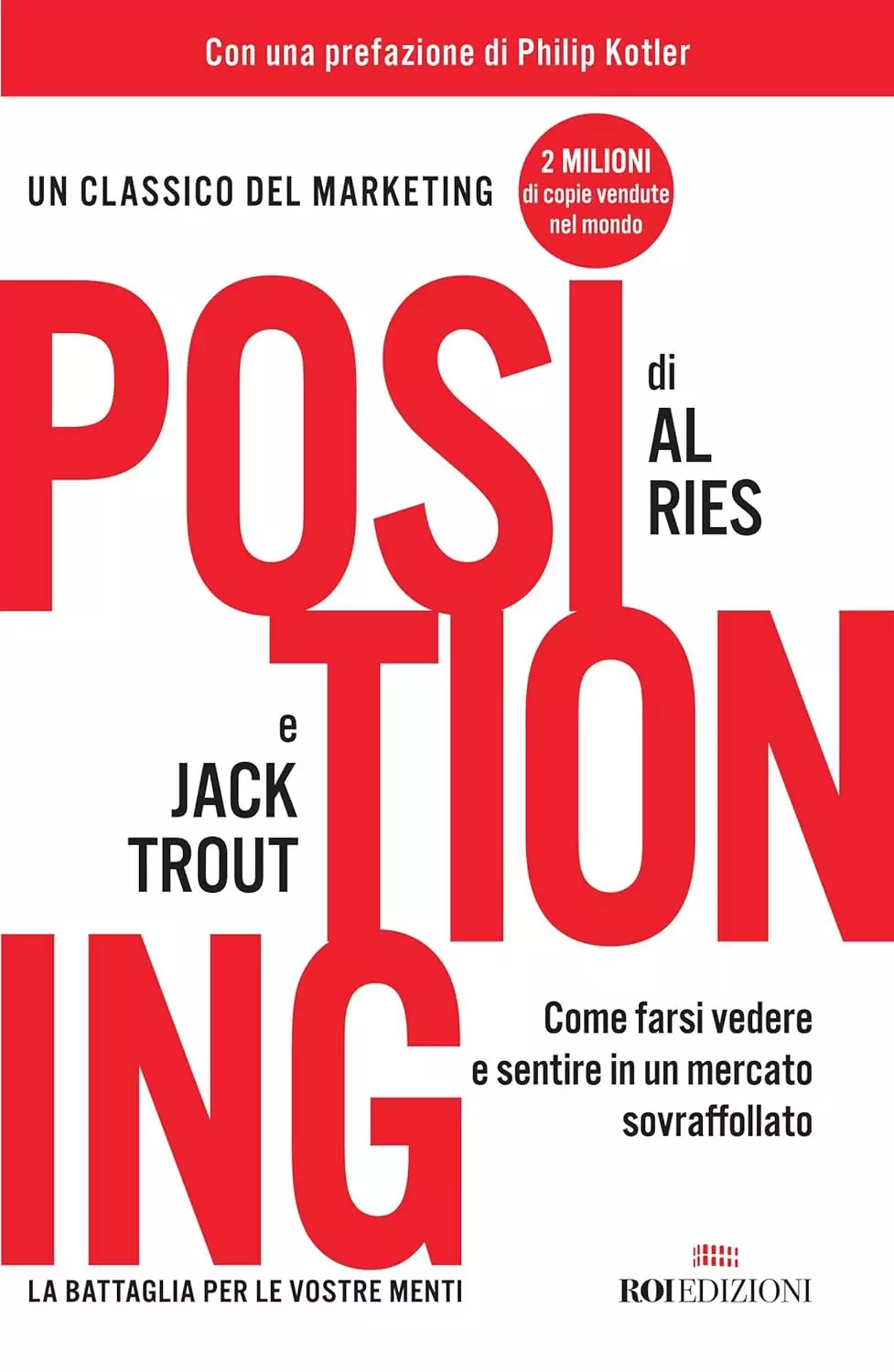
"Positioning: The Battle for Your Mind", Al Ries & Jack Trout
Before choosing an agency, clarify your positioning. This classic explains why strategy must precede design — and why the most expensive agency can't fix unclear positioning.
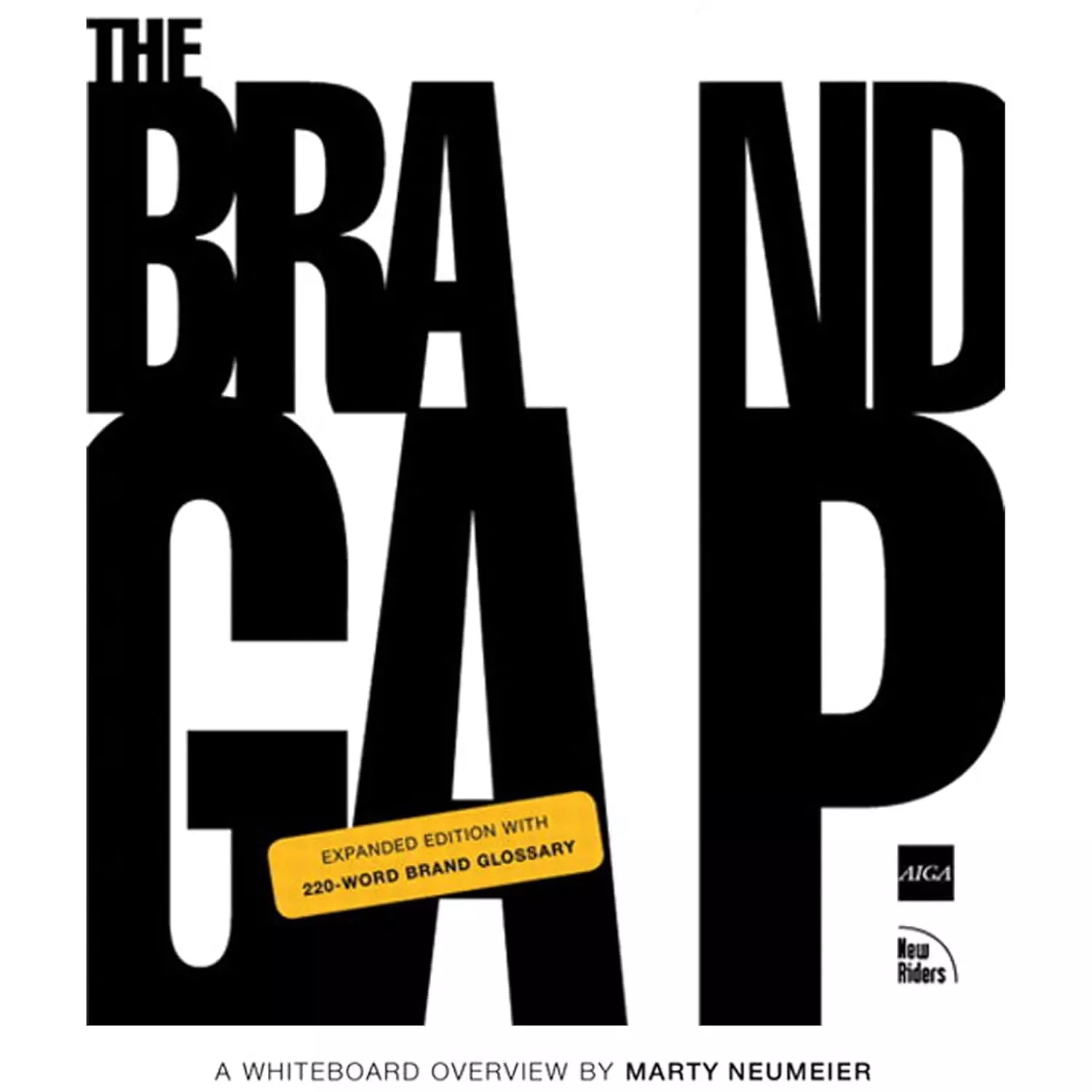
"The Brand Gap", Marty Neumeier
A short, visual book that bridges the gap between business strategy and creative execution. Useful for teams evaluating agencies — it gives you the vocabulary to assess whether an agency thinks strategically or just aesthetically.