
You have 4–5 Chicago web agencies on your shortlist, proposals in your inbox, and every portfolio looks polished. Here are five criteria — and the exact questions — that separate agencies delivering business results from those delivering beautiful disappointments.
Key takeaways 👌
Agencies with no conversion data to show are optimizing for their own portfolio, not your revenue — ask for before-and-after metrics before you evaluate a single design screenshot.
Process maturity predicts project success more reliably than portfolio quality — agencies with documented phases and change management procedures deliver on time; agencies that improvise don't.
Post-launch support separates long-term partners from project shops — the agency that hands you login credentials and disappears will become a business bottleneck within months.
Introduction
Chicago's web development market punishes bad agency decisions harder than most cities. A botched project doesn't just cost you the initial investment — it means starting over nine months later while competitors gained ground, seasonal windows closed, and your internal team lost confidence in digital initiatives. The average rebuild costs significantly more than the original project, because fixing someone else's architecture decisions is always more expensive than starting clean.
You've got four to five agencies on your shortlist, proposals in your inbox, and everyone's portfolio looks polished. The differences only surface when you ask the right questions — and most buyers never do, because the agencies all say the same things.
The five criteria below force agencies to get specific before you sign anything.
Use the agency evaluation framework to compare Chicago agencies objectively.
Why the Stakes Are Higher in Chicago's Web Development Market
The Real Cost of Getting It Wrong
A failed web development project in Chicago costs more than the initial investment. It means restarting from scratch while competitors moved forward, seasonal windows closed, and your internal team lost confidence in digital initiatives. Manufacturing companies in suburban Chicago face the highest stakes: missing a trade show launch or product announcement deadline can cost six figures in lost opportunities.
Financial services firms in the Loop compete nationally but need local credibility — a website that looks amateurish undermines years of relationship-building. River North startups often present website metrics in investor meetings: a 0.8% conversion rate versus 3.2% can influence funding decisions. For Chicago retail businesses, missing the October–November holiday preparation window because your agency missed deadlines means writing off Q4 revenue.
Why Chicago Agencies Overpromise During Sales
Chicago's "prove it" business culture creates perverse incentives for web agencies. Buyers here don't just want portfolios — they want guarantees about timelines, results, and capabilities. Agencies respond by overselling.
The most dangerous phrase in Chicago agency sales meetings: "We can definitely do that." Usually said before the agency has researched your industry, understood your technical requirements, or confirmed their team has relevant experience. This city's competitive nature means agencies say yes to everything during sales, then figure out how to execute later. The questions below close that gap.

Criterion 1 — Business Results: What Have They Actually Delivered?
Why Results Matter More Than Awards
Most Chicago agencies lead sales presentations with design awards and portfolio aesthetics. Here's the problem: a beautiful design that converts at 0.8% performs worse than a functional design that converts at 3.2%. For a Chicago B2B company generating 500 monthly visitors, that difference means 4 leads per month versus 16.
The best agencies discuss conversion rates, user behavior data, and business impact before showing you a single screenshot. They ask about your sales process, average deal size, and customer acquisition costs. Mediocre agencies jump straight to showing you their prettiest work.
Questions to Ask
"What conversion rate improvements have you achieved for companies in my industry?"
Strong answer: "Our last three manufacturing clients saw conversion increases from 1.2% to 3.8% on average. Here's the specific optimization strategy we used and why it worked for B2B products with long sales cycles."
Red flag: "Conversion rates depend on so many factors. We focus on creating beautiful user experiences that reflect your brand values."
"Can you show me before-and-after traffic and lead generation data?"
Strong answer: They pull up Google Analytics data showing specific percentage improvements in organic traffic, time on site, and goal completions — and explain which changes drove which results.
Red flag: "We don't usually track that level of detail," or "Those metrics are confidential," or "Traffic isn't really our focus."
How to Evaluate Portfolio for Business Impact
Ask agencies to walk through their three best projects from a business results perspective. Strong agencies explain what the client's original conversion rate was and what they achieved, which specific changes drove improvement, and how they measured success beyond aesthetics.
Weak agencies focus on visual appeal, talk about "brand alignment," and avoid specific numbers. They say things like "the client was thrilled with the modern look" instead of "we increased quote requests by 34%."
Red Flags
- Can't connect any past project to a measurable business outcome
- Case studies focus exclusively on design quality with no performance data
- Unable to name the specific tools they use to track and measure results
Criterion 2 — Team Structure: Who Actually Works on Your Project?
The Chicago Agency Staffing Reality
Most Chicago agencies operate with two to three senior people who handle sales and strategy, plus four to eight junior developers and designers who do the actual work. There's nothing wrong with this model — if they're transparent about it.
The problem emerges when the creative director who impressed you in the sales meeting disappears after kickoff, leaving your project with someone who graduated from a coding bootcamp six months ago. Your $50K project becomes a training ground for junior talent.
Questions That Reveal Actual Team Structure
"Who specifically will work on my project, and can I meet them before signing?"
Strong answer: They introduce you to your actual project manager, lead developer, and designer. These people participate in at least part of the sales process, so you can evaluate their communication skills and experience directly.
Red flag: "We'll assign the perfect team based on your project needs" or "Our team is very collaborative — you'll work with everyone." This usually means they haven't decided who's available or they're planning to staff with whoever's between projects.
"What's your policy if key team members leave during my project?"
Strong answer: They have documented handoff processes and maintain detailed project documentation. They've dealt with this scenario before and can walk through the contingency plan.
Red flag: They seem surprised by the question, or offer vague assurances about "cross-training" without specifics.
How to Evaluate Communication Style During Sales
Pay attention to how the agency communicates during the proposal process — this predicts your working relationship more accurately than any case study.
Green flags: they ask clarifying questions instead of immediately saying "we can do that"; they explain technical concepts without talking down to you; they respond within 24 hours with specific answers; they admit when something is outside their expertise.
Red flags: excessive technical jargon to sound impressive; promising everything without asking about constraints; taking three or more days to respond to straightforward questions; deflecting specific questions with sales-speak.
"The most important property of a program is whether it accomplishes the intention of its user."
— C.A.R. Hoare, Computer scientist, Turing Award recipient
Criterion 3 — Process and Project Management: How Do They Actually Work?
Why Process Predicts Delivery Better Than Portfolio
Agencies with documented processes deliver projects more predictably. They've made mistakes, learned from them, and built systems to prevent repetition. Agencies without clear processes rely on individual talent — which works until that person gets sick, quits, or juggles too many projects simultaneously.
Chicago businesses can't afford timeline surprises. Missing a trade show launch, seasonal campaign, or investor presentation because your agency "ran into unexpected challenges" has real consequences that extend beyond the project budget.
Questions That Reveal Process Maturity
"Walk me through your development process from kickoff to launch."
Strong answer: They outline specific phases with defined deliverables, approval gates, and timeline expectations. They explain when you'll see designs, when development starts, what testing procedures they follow, and how they handle revisions. They mention potential bottlenecks and how they prevent them.
Red flag: Vague descriptions about "discovery," "design," and "development" without specifics about timing, deliverables, or your role in the process.
"How do you handle scope changes and timeline adjustments?"
Strong answer: They have a documented change management process with approval workflows and pricing guidelines. They differentiate between clarifications (included) and actual scope increases (additional cost), and can give examples of how they've handled typical changes.
Red flag: "We're pretty flexible" or "We'll work it out as we go" — both reliably predict budget overruns and missed deadlines.
What a Professional Specification Process Should Produce
A documented technical specification is where vague agency promises turn into signed, accountable commitments. The output should include:
- Specific phase milestones with sign-off checkpoints
- A defined revision policy per phase
- A written change request procedure with timeline and cost implications
- Named deliverables at every stage — not phase descriptions, but actual outputs
Timeline Red Flags Specific to Chicago Agencies
Many Chicago agencies overpromise on timelines to win business in this competitive market:
- Promising 8-week launches for complex projects — realistic range is 12–16 weeks
- Not asking about your approval speed or internal bottlenecks
- Assuming you have content ready (most clients don't)
- Not building buffer time for revisions and testing

When an agency says "we're flexible" in response to your question about scope changes — are they describing a strength, or telling you they don't have a process?
Criterion 4 — Technical and SEO Depth: What Chicago's Market Actually Requires
Why Technical Depth Determines Long-Term Results
Chicago businesses compete in multiple markets simultaneously. A suburban manufacturing company needs to rank for national industry terms but also appear for "Chicago area manufacturing" searches. Downtown professional services firms compete nationally but need local credibility markers.
Many web agencies treat SEO as an afterthought — something to optimize after the site is built. This backwards approach costs Chicago businesses significant organic traffic from day one, because technical SEO decisions made during development are expensive to reverse after launch.
Questions That Reveal SEO and Conversion Expertise
"How do you approach local SEO during the development process?"
Strong answer: They discuss schema markup implementation, Google Business Profile optimization, local citation structure, and content strategy for local and national keywords in parallel. They understand how local search works differently across Chicago's business districts and industries.
Red flag: "We'll submit you to Google," or "SEO is a separate service," or vague promises about "SEO best practices."
"What conversion optimization strategies do you build in from the start?"
Strong answer: They ask about your sales process, discuss lead-capture design, explain how they optimize contact forms and calls to action, and mention A/B testing capabilities. They understand the difference between B2B and B2C conversion patterns.
Red flag: Focus on aesthetics without discussing user behavior, conversion paths, or lead-generation strategy.
Industry-Specific Technical Requirements in Chicago
Different Chicago industries require different technical approaches:
- B2B companies: CRM integration, lead scoring, marketing automation compatibility, sales-focused UX
- Manufacturing: Product catalog management, technical specification display, dealer/distributor portal functionality
- Financial services: Security compliance, client portal integration, appointment scheduling, document sharing
- Retail: Inventory management, local delivery options, seasonal campaign management, mobile commerce
Ask agencies about experience with your industry's specific technical requirements. Generic answers suggest your project will be their learning curve.
Red Flags
- Can't explain their performance optimization approach with specific techniques
- No mention of testing procedures before launch
- Treat SEO as a post-launch add-on rather than a development-phase requirement
- Unable to name tools they use for conversion tracking and analytics
Interesting fact 👀
For Chicago B2B companies, the average cost of acquiring a single qualified lead through paid channels runs $200–$800 depending on the industry. A website converting at 1% versus 3% on 1,000 monthly visitors means the difference between 10 and 30 leads per month — at that lead cost, the gap in annual revenue impact can exceed $200,000 before a single deal closes. Page performance, conversion architecture, and SEO are not development line items. They are the business case for the project.
Criterion 5 — Post-Launch Support: Partner or Project Shop?
Why Post-Launch Support Matters More in Chicago
Chicago businesses move fast when they commit to digital initiatives. Your website will need regular updates for seasonal campaigns, new product launches, team changes, and market shifts. An agency that takes two weeks to update a contact form becomes a business bottleneck.
Professional agencies provide ongoing maintenance as a structured service. Project shops hand you login credentials and wish you luck.
Questions That Reveal Support Philosophy
"What happens when I need content updates or technical fixes after launch?"
Strong answer: They offer multiple support tiers with defined response times and pricing. They explain their ticketing system, emergency procedures, and typical turnaround times for both urgent fixes and routine updates.
Red flag: "We provide training so you can make updates yourself" or "We're always available for additional work" without specific service-level commitments.
"How do you handle website security and technical updates?"
Strong answer: They describe automatic security updates, regular backups, uptime monitoring, and performance checks. They explain hosting recommendations and why they matter for site reliability.
Red flag: Confusion between hosting and maintenance, or the assumption that you'll handle technical updates internally.
Maintenance Tiers for Chicago Businesses
- Basic ($150–$400/month): Security patches, backups, uptime monitoring, 2–3 content updates. Suitable for brochure sites with infrequent changes.
- Standard ($400–$900/month): Everything in Basic plus performance monitoring, SEO adjustments, form and integration maintenance, priority support.
- Advanced ($900–$2,500/month): Everything in Standard plus database optimization, security scanning, A/B testing, and custom feature development. Required for e-commerce and high-traffic platforms with seasonal traffic spikes.
Red Flags
- No structured maintenance offering — "call us if something breaks" is not a plan
- You don't own your code, domain, or hosting outright
- Support handled by a separate junior team with no context about how the site was built
- No CMS training or handoff documentation included at launch
Making the Final Decision
The Chicago Web Agency Evaluation Scorecard
Score each shortlisted agency 1–5 on every criterion, multiply by the weight, and sum. Maximum score: 5.0.
Criterion |
Weight |
What to Evaluate |
Business Results Track Record |
30% |
Conversion data, lead generation outcomes, industry-specific case studies |
Team Quality and Communication |
25% |
Who works on your project, communication discipline, proposal-phase behavior |
Process and Project Management |
20% |
Documented phases, milestone clarity, change management procedure |
Technical and SEO Capabilities |
15% |
Performance optimization, local SEO approach, industry-specific integrations |
Post-Launch Support |
10% |
Maintenance tiers, SLA, code ownership, team continuity |
Agencies scoring 4.0+ are strong candidates. Scores below 3.0 indicate structural problems no portfolio can hide.
The Final Test Before Signing
Schedule final calls with your top two or three agencies. Present a specific business challenge — a low-converting landing page, a failed lead capture, a missed seasonal campaign — and ask how they'd address it through your website. The best agencies ask clarifying questions and provide specific, strategic answers. Mediocre agencies give generic responses about "best practices" and "user experience."
Pre-Signing Checklist
Before you commit to any Chicago web development agency:
- Request a detailed project plan with specific deliverables, approval gates, and milestone dates
- Get references from recent clients in similar industries and speak with them directly — not just written testimonials
- Review standard contract terms around scope changes, IP ownership, and code handoff
- Establish communication protocols including response time expectations and project management tools
- Clarify post-launch support terms including response times, maintenance scope, and ongoing costs in writing
Red Flags That Disqualify Regardless of Score
- Takes more than 48 hours to respond to project inquiries during the proposal phase
- Unwilling to provide client references or connect you directly with past clients
- Refuses to discuss the specific team members who'd work on your project
- Defensive or evasive when asked about results, metrics, or past project failures
- Significant price increase after the "discovery" phase that wasn't flagged upfront
FAQ — Choosing a Web Development Agency in Chicago
Do I need a Chicago-based agency, or can I work with a remote team?
You don't need a Chicago address — you need proven experience with the specific demands of Chicago's business environment: its B2B culture, its manufacturing corridor, its financial services expectations, and its compressed seasonal windows. A remote agency that has built for Chicago manufacturing companies or Loop-based professional services firms will outperform a local agency with no relevant vertical experience. That said, proximity matters for projects with complex stakeholder dynamics or regular in-person review sessions during discovery. The question to ask isn't "are you in Chicago?" but "how many of your current clients are Chicago-based, and can I speak with one in my industry?"
How many agencies should I get proposals from?
Three to five is the right range. Fewer than three doesn't give you enough comparison. More than five creates evaluation fatigue — after a certain point, additional proposals slow decision-making without improving it. Run 30-minute screening calls before requesting full proposals: this one step eliminates half the list and saves everyone time.
What are realistic web development budgets in Chicago for 2026?
Template-based business sites with basic customization run $8,000–$20,000. Custom design and development with CMS runs $20,000–$50,000. E-commerce platforms run $25,000–$75,000 depending on complexity. Custom web applications with significant backend requirements start at $50,000 and scale from there. Chicago agencies typically run 10–20% above national averages due to local overhead and talent costs. Quotes significantly below market rates almost always reflect offshore execution, simplified scope, or a loss-leader proposal recovered on change orders.
Should I choose a specialized or full-service Chicago agency?
For web development specifically, specialized agencies tend to deliver stronger technical execution. Full-service agencies covering web, marketing, and branding offer integrated workflow but their development capability is sometimes secondary to other services. If technical complexity is high — complex integrations, custom backend logic, performance at scale — choose a specialist. If you need design, brand, and web development aligned from the start and technical complexity is moderate, a full-service agency reduces coordination overhead.
How do I verify that an agency's Clutch reviews are legitimate?
Clutch verifies reviews through direct phone and email confirmation with the client. Look for detailed reviews with specific project descriptions, named outcomes, and candid observations — not just star ratings. Agencies with 15+ verified reviews show more reliable patterns than those with three to five. Beyond Clutch, ask the agency to connect you directly with two or three past clients in similar industries for a 15-minute call. Agencies with real client relationships will do this without hesitation.
What contract terms should I insist on?
Non-negotiables: milestone-based payments (never 100% upfront), named deliverables per milestone, a documented scope change process with cost and timeline implications, an IP ownership clause confirming you own all work product on final payment, a termination clause, and post-launch support terms in writing. Any contract missing IP language or a change management procedure is incomplete — those gaps become disputes during the project, not after.
How long does a web development project realistically take in Chicago?
A custom business website takes 10–14 weeks from signed contract to launch. E-commerce platforms typically run 12–18 weeks. Complex web applications with custom integrations and significant backend requirements run 16–28 weeks. These timelines assume a proper discovery phase, 24–48 hour client feedback turnaround, and no significant scope changes mid-project. Agencies promising 8-week delivery for complex custom builds are either cutting phases or planning to rush review cycles.
What's the difference between web design and web development capability?
Web design capability covers visual design, UX, and front-end execution. Web development capability covers engineering: backend systems, API integrations, database architecture, performance optimization, and security. Many Chicago agencies describe themselves as both. For projects with real technical complexity — CRM integrations, custom user dashboards, significant backend logic — verify the engineering depth specifically. Ask how many full-stack developers are on staff and whether you can speak with the lead engineer before signing.
Want to discuss your project?
Share your vision with us, and we'll reach out soon to explore the details and bring your idea to life.



Conclusion
Chicago's business culture has no patience for vague promises or missed deliverables — and neither should your agency selection process. The agencies that hold up under the five criteria in this guide will be specific about their past results, transparent about who actually works on your project, structured in their process, technically grounded in their approach, and clear about what happens after launch.
The ones that don't hold up will become obvious quickly when you ask specific questions instead of evaluating portfolios. In a city where a missed seasonal window or a failed investor presentation has real financial consequences, that clarity is worth more than any portfolio.
Score your shortlist before the proposal stage. The highest score wins — not the smoothest pitch.
Recommended reading 🤓

"Peopleware: Productive Projects and Teams", Tom DeMarco & Timothy Lister
The definitive study of why software and web projects succeed or fail — the answer is almost always organizational and human, not technical. Essential reading before any agency engagement.
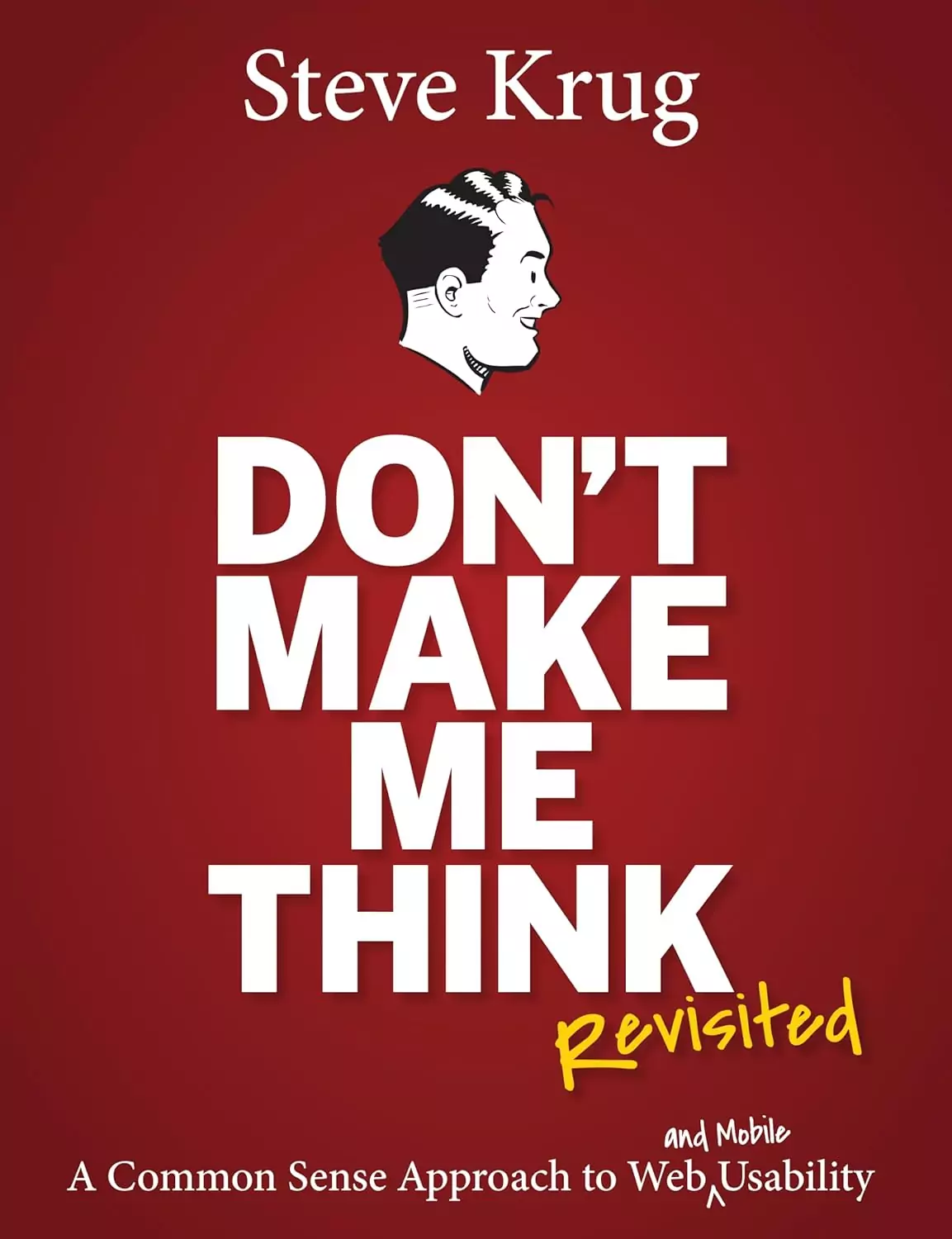
"Don't Make Me Think", Steve Krug
The clearest guide to web usability available — gives you the language to evaluate whether an agency's UX decisions are grounded in user behavior or aesthetic preference.
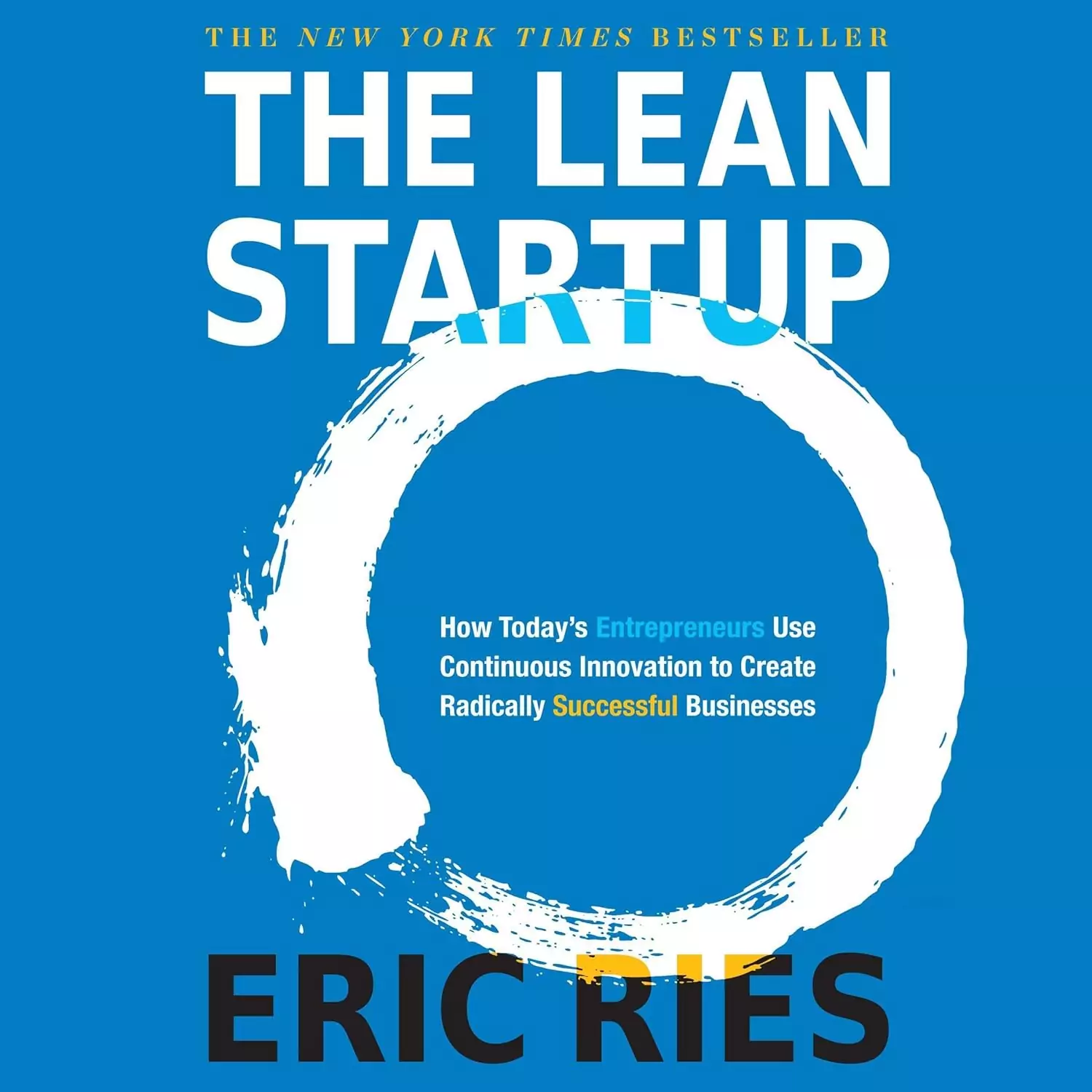
"The Lean Startup", Eric Ries
Directly applicable to scoping web development projects: how to define what to build first, what to defer, and how to avoid paying for complexity you don't need at this stage of growth.
I've watched Chicago companies blow $40K on websites that convert at 0.8%. Beautiful case studies, zero experience with B2B lead generation. Every buyer thinks they're different — they all make the same mistake.