
This guide compares New York's established corporate branding ecosystem with Miami's emerging creative scene to help you decide where to find agencies matching your specific needs — from Fortune 500 transformations to international positioning and bilingual brand development.
Key takeaways 👌
NYC agencies charge 50–70% premiums justified by Fortune 500 experience and enterprise complexity — but only when your project actually requires institutional credibility, global rollout capability, or high-stakes stakeholder management.
Miami agencies deliver 30–40% cost savings alongside superior expertise in international brand positioning, bilingual brand development, and Latin American market entry — areas where NYC agencies often underperform despite higher fees.
The right choice depends on company stage and strategic priorities: match agency market to actual project requirements rather than defaulting to prestige or lowest cost.
Quick Verdict: NYC vs Miami Branding Agencies
NYC: Best for Fortune 500 companies, enterprises ($100M+ revenue), and high-stakes rebrands requiring proven stakeholder management, global rollout, or ultra-specialized vertical expertise.
Miami: Best for seed–Series C startups, growth companies, and international businesses needing bilingual brand development, Latin American market entry, or faster timelines at 30–40% lower cost.
Key factor: If your project requires enterprise-scale complexity — go NYC. If it requires international positioning or budget efficiency — go Miami.
Regardless of city, your brand strategy determines the scope — and therefore the cost.
NYC vs Miami Branding Agencies — Market Overview
New York City |
Miami |
|
Complete brand development |
$150k–$500k |
$80k–$250k |
Seed-stage startup branding |
$120k–$200k |
$60k–$120k |
International brand development |
$180k–$350k |
$100k–$200k |
Typical rebrand timeline |
12–18 months |
8–14 months |
Senior designer salary |
$100k–$150k |
$70k–$110k |
Office space (per sq ft/year) |
$80–$150 |
$35–$60 |
Core strength |
Enterprise complexity, Fortune 500 track records |
International positioning, bilingual brand development |
New York and Miami represent fundamentally different branding ecosystems shaped by their client bases and competitive environments. NYC developed serving Fortune 500 headquarters and global enterprises — building deep expertise in corporate brand architecture, stakeholder politics, and multi-continent rollouts. Miami emerged serving companies operating across the Americas, developing bilingual creative capabilities and cultural fluency that domestic-focused NYC agencies rarely match. For companies where building a strong brand is a strategic priority, understanding these structural market differences is the foundation for choosing the right agency — whether you're evaluating branding services at the enterprise level or exploring branding agencies in Miami for growth-stage needs.
Pricing & Budget: What You Get at Each Price Point
New York City
NYC's premium pricing reflects genuine cost structure differences, not arbitrary market positioning. Manhattan office space runs $80–$150 per square foot annually; senior designers command $100k–$150k salaries. A 15-person NYC agency needs $2.8M–$3.5M in annual revenue just to cover overhead before profit — 35–45% more than a comparable Miami operation.
Complete brand development ranges from $150k–$500k. At the top end, firms like Pentagram ($200k–$500k+), Wolff Olins ($250k–$1M for transformation projects), and Collins ($150k–$400k) serve Fortune 500 clients and enterprises where brand failure costs tens of millions. For seed-stage startups, NYC pricing runs $120k–$200k — a range where Miami agencies deliver equivalent output for $60k–$120k.
Miami
Miami's 30–40% cost advantage stems from market economics: office space at $35–$60 per square foot, senior designer salaries at $70k–$110k, and leaner agency operations without the enterprise account management overhead NYC shops require. A 12-person Miami agency delivers enterprise-quality work at margins that allow charging less while maintaining profitability.
Complete brand development runs $80k–$250k. For international projects — cross-border brand architecture, bilingual systems, Latin American market entry — Miami agencies often deliver superior results at $100k–$200k versus NYC's $180k–$350k, because international positioning is a core competency, not an occasional engagement.
Understanding what drives branding costs beyond hourly rates helps companies evaluate whether premium pricing reflects genuine capability differences versus arbitrary market positioning.
Verdict: NYC pricing makes economic sense for Fortune 500 companies and enterprises where brand investment is proportional to business scale. For growth companies and international businesses, Miami delivers equivalent or better output at 35–50% lower cost.

Talent & Specialization: Where Each Market Builds Deep Expertise
New York City
NYC's talent concentration reflects decades of serving the world's most demanding clients. The city's agency ecosystem built specialized depth in corporate brand architecture, brand portfolio management across multiple business units, financial services and fintech positioning, luxury goods, and global rollout coordination. These capabilities develop only through years of handling Fortune 500 stakeholder environments — they can't be replicated by agencies that don't encounter this complexity regularly.
The practical advantage: NYC agencies understand the politics of enterprise brand decisions intuitively. Navigating board approvals, managing brand transformations affecting billions in market cap, coordinating identity systems across 50+ countries — this is where brand strategy expertise built at the enterprise level shows its value.
Miami
Miami's talent pool built different but equally specialized capabilities. International brand positioning, bilingual brand architecture (not just translation — cultural adaptation), Latin American market entry strategy, and growth-company brand systems are Miami's native competencies. Many Miami agency principals trained at top NYC shops before establishing Miami practices, bringing strategic rigor with lower overhead.
For companies operating across the Americas, Miami agencies understand cultural nuances across markets that NYC agencies would need to research. Bilingual creative teams handle Spanish-language brand identity development natively — a capability NYC agencies typically outsource or lack entirely.
Verdict: NYC wins on enterprise complexity and domestic vertical depth (finance, luxury, media). Miami wins on international positioning, bilingual brand development, and startup-appropriate processes. Neither market is universally superior — the advantage depends entirely on project type.
A brand is a person's gut feeling about a product, service, or organization.
— Marty Neumeier, Author and brand strategist
Timeline & Process: Speed as a Strategic Variable
New York City
Typical complete rebrand: 12–18 months from kickoff to full implementation.
- Research and strategy: 3–4 months
- Creative development: 3–4 months
- Stakeholder approvals: 2–3 months
- Implementation: 4–7 months
The longer timelines reflect enterprise client complexity — Fortune 500 stakeholder management, global coordination, and internal approval chains that smaller-market agencies never encounter. For the right clients, this thoroughness prevents costly mistakes in high-stakes transformations.
Miami
Typical complete rebrand: 8–14 months from kickoff to full implementation.
- Research and strategy: 2–3 months
- Creative development: 2–3 months
- Stakeholder approvals: 1–2 months
- Implementation: 3–6 months
Miami agencies developed processes matching startup urgency and funding constraints — delivering quality through efficient execution rather than exhaustive approval cycles. The 3–4 month speed advantage isn't a shortcut; it reflects leaner client organizations with simpler decision-making.
Verdict: For venture-backed startups with 12–18-month runways, Miami's speed advantage is a financial variable, not just a preference. NYC's longer timelines serve enterprise complexity — when thoroughness prevents mistakes that cost millions, the extra months deliver value.

List three capabilities your project actually requires. "Stakeholder management" and "global rollout" point to NYC. "International positioning" or "bilingual development" — to Miami.
Industry Fit: Where Geographic Concentration Creates Real Expertise
New York City
Finance and fintech: NYC's concentration of major banks, asset managers, and financial regulators created agencies that understand financial services positioning, regulatory communication, and investor relations intuitively. A fintech startup can work with agencies that rebranded major banks — rather than explaining industry fundamentals to generalists.
Luxury goods and premium consumer brands: NYC's concentration of global luxury brands built agency expertise in premium positioning, heritage brand management, and aspirational brand architecture that Miami agencies encounter far less frequently.
Media and professional services: Traditional media, entertainment, and professional services are concentrated in New York, creating vertical expertise that extends beyond general branding capability.
Miami
Hospitality and tourism: Miami's resort and hospitality concentration built deep expertise in destination branding, hotel brand architecture, and travel-industry positioning. A hotel group will find Miami agencies deliver better-calibrated results than NYC generalists, despite lower pricing.
Latin American market entry: Miami agencies understand competitive dynamics, cultural positioning, and brand adaptation strategies for specific Latin American markets intuitively — knowledge NYC agencies would need to acquire per project.
Healthcare and logistics: Miami's position as a regional hub for healthcare and logistics created specialized agency expertise in these sectors, particularly for companies serving both U.S. and Latin American markets.
Understanding when rebranding makes strategic sense helps companies plan initiatives around business transformation rather than arbitrary timelines — relevant when choosing agency markets and scoping projects.
Verdict: Industry fit often matters more than general market prestige. An NYC agency with a decade of fintech work outperforms a Miami generalist for financial services positioning — and vice versa for hospitality or international market entry.
Interesting fact 👀
Graphic designers earn a median $68,680 in NYC versus $58,440 in Miami — a 17.5% gap. Adjusted for cost of living, real compensation differs by only ~8%: Miami agencies charge less while maintaining comparable talent quality. Source: U.S. Bureau of Labor Statistics, 2024.
Cost Structure: Why the Price Gap Is Real — Not a Quality Signal
New York City
NYC's cost floor is structural. Manhattan office space runs $80–$150 per square foot annually; senior designers command $100k–$150k salaries; benefits, payroll taxes, and administrative overhead compound on top. A 15-person NYC agency needs $2.8M–$3.5M in annual revenue just to break even — before profit. These costs exist regardless of project type or client size, and they flow directly into pricing.
The implication: when an NYC agency quotes $300k, a significant portion covers overhead unrelated to your project's actual complexity. For Fortune 500 clients where brand failure costs tens of millions, this infrastructure has value. For growth companies with standard requirements, it's overhead without proportional return.
Miami
Miami's cost structure runs 35–45% leaner. Office space at $35–$60 per square foot, senior designer salaries at $70k–$110k, and smaller administrative layers mean a 12-person Miami agency breaks even at $1.8M–$2.3M annually. This isn't a quality compromise — it's a different market with different economics.
The result: Miami agencies can price complete brand development at $80k–$250k while maintaining equivalent margins to NYC shops charging $150k–$500k. The savings pass to clients without cutting talent, process, or strategic rigor.
Verdict: The price gap between NYC and Miami reflects cost structure, not capability hierarchy. For projects that don't require enterprise-scale infrastructure, Miami's leaner economics deliver better value — not a discounted version of NYC work.
Decision Framework: NYC or Miami?
Choose NYC Agencies When:
- Company stage: Fortune 500, enterprise ($100M+ revenue), or late-stage companies ($500M+ valuation) requiring proven enterprise capability
- Budget: $200k+ for complete brand development, where premium investment is proportional to business scale
- Industry: Finance, luxury goods, traditional media, or professional services where NYC's vertical concentration creates expertise advantage
- Stakeholder requirements: Board or investor expectations require Fortune 500 agency track records for confidence
- Project complexity: Global rollout coordination, complex brand architecture across multiple business units, or stakeholder politics requiring specialized enterprise capability — including full-scale rebranding affecting market positioning
Choose Miami Agencies When:
- Company stage: Seed through Series C startups, growth companies, or mid-market businesses ($5M–$100M revenue) not requiring enterprise-scale capability
- Budget: $80k–$250k where value efficiency matters and premium pricing doesn't deliver proportional capability
- International operations: Cross-border businesses, Latin American market entry, or companies requiring bilingual brand development and cultural expertise
- Timeline: Companies needing 8–14 month execution due to funding constraints or competitive timing
- Industry: Hospitality, real estate, healthcare, logistics, or industries where Miami's concentration creates specialized expertise
Hybrid Approach
Some companies benefit from combining market strengths — using NYC agencies for strategy and core brand development while partnering with Miami agencies for implementation, international adaptation, or specific deliverables. For companies wanting comprehensive brand development covering strategy, visual identity, and implementation systems, choosing markets aligned with actual needs rather than perceived prestige typically delivers better ROI.
What to Look for in Either Market
Regardless of city, evaluate agencies on these criteria before engaging:
Strategic depth before creative output. Agencies that lead with portfolio visuals before discussing positioning strategy prioritize aesthetics over brand effectiveness. Ask how they develop positioning — the answer reveals whether they're strategic partners or execution vendors.
Relevant vertical experience. Portfolio work in your industry matters more than general design quality. An agency that rebranded three companies in your sector understands buyer psychology, competitive positioning, and industry conventions that generalists learn on your budget.
Senior talent involvement. Clarify who leads strategy and who executes creative. Many agencies pitch senior partners and deliver junior teams. Ask specifically which team members will work on your project and review their individual portfolios — from logo design through full brand systems.
Measurable outcomes in case studies. Strong agencies cite business results — revenue impact, market share shifts, fundraising outcomes — not just awards or visual transformation. If case studies describe only creative process, the agency may lack accountability for business impact.
Process transparency and communication cadence. Understand milestone structure, revision cycles, and stakeholder touchpoints before signing. Misaligned expectations around process create more project friction than capability gaps.
Toimi: Strategic Branding Across Both Markets
For companies evaluating alternatives to pure NYC or Miami agency engagement, Toimi offers strategic brand development for growth companies and international businesses — connecting brand strategy to digital implementation and measurable business outcomes. Their focus is designed for companies scaling from 20 to 200 employees, where brand systems need to work across marketing, product, and investor-facing contexts simultaneously.
Pricing ($50k–$150k for complete brand systems) positions Toimi within Miami-range economics while delivering strategic methodology calibrated for growth-stage and international clients. For companies building brands for cross-border operations or requiring bilingual brand architecture, this specialization provides relevant expertise without NYC premium overhead.
Common Misconceptions About Agency Geography
Myth: "NYC agencies are always better quality."
Quality varies more within markets than between them. Miami's top agencies deliver work competing with NYC mid-tier shops while charging 35–45% less. The best Miami agencies employ designers trained at top NYC firms, follow equivalent strategic processes, and produce award-winning portfolio work. Geography doesn't determine quality — agency talent, process, and expertise do.
Myth: "Cheaper markets mean junior talent."
Miami agency principals frequently trained at top NYC shops before establishing Miami practices — choosing the city for quality of life, international market access, or entrepreneurial opportunity, not because they couldn't work in New York. Cost differences reflect market economics (rent, salaries, overhead), not talent seniority.
Myth: "You need a NYC agency for stakeholder credibility."
Credibility comes from demonstrated capability — case studies and business results — not agency zip code. Venture investors and growth company stakeholders evaluate brand effectiveness and strategic thinking, not geography. Fortune 500 boards may care about agency pedigree; for most companies, Miami agencies presenting strong work and business outcomes are fully credible.
FAQ
What is the average cost of branding in NYC versus Miami?
Complete brand development in NYC runs $150k–$500k; in Miami, $80k–$250k. The 30–40% cost difference reflects genuine market economics — Manhattan office space and senior designer salaries are structurally higher — not a quality gap. For seed-stage startups, the gap widens: $120k–$200k in NYC versus $60k–$120k in Miami.
Do Miami agencies work with clients outside Florida?
Yes. Miami agencies routinely serve clients across the U.S. and Latin America — remote delivery is standard. Geographic location affects cost structure and expertise, not client geography. The more relevant question is whether a Miami agency's specialization (international positioning, bilingual brand development, growth-stage processes) matches your project requirements.
When does NYC agency prestige actually matter?
When stakeholders with decision-making authority specifically require Fortune 500 agency track records — typically Fortune 500 boards, institutional investors in large enterprises, or companies where agency pedigree is part of the stakeholder confidence equation. For growth companies, startups, and mid-market businesses, brand quality and strategic outcomes matter more than agency geography.
Are Miami agencies equipped for enterprise-scale projects?
Generally, no — for Fortune 500 complexity (global rollouts, multi-business-unit brand architecture, high-stakes stakeholder management). Miami agencies are well-equipped for enterprise-quality work at growth-company scale: $50M–$250M revenue companies with standard brand architecture, international operations, or bilingual requirements. Match agency scale to actual project complexity.
How do timelines compare for urgent branding projects?
Miami agencies typically complete full rebrands in 8–14 months versus NYC's 12–18 months. For venture-backed companies with runway constraints or market timing pressures, Miami's 3–4 month speed advantage has direct financial value. NYC's longer timelines reflect enterprise client complexity — thoroughness that prevents costly mistakes in high-stakes transformations.
Want to discuss your project?
Share your vision with us, and we'll reach out soon to explore the details and bring your idea to life.




Conclusion
The NYC vs. Miami decision isn't about which city's agencies are objectively better — it's about which market's structural strengths match your specific situation. Defaulting to NYC for prestige or Miami for savings both lead to misaligned agency engagements.
NYC delivers proven enterprise capability, Fortune 500 track records, and vertical depth in finance, luxury, and media — at pricing that reflects real cost structures, not arbitrary premiums. Miami delivers international positioning expertise, bilingual brand development, and growth-company processes at 30–40% lower cost — with genuine advantages for cross-border businesses and companies not requiring enterprise-scale infrastructure.
Start with an honest assessment: what does your project actually require? If the answer involves Fortune 500 stakeholder management, global rollout coordination, or specialized vertical expertise built over decades — NYC premium delivers value. If the answer involves international positioning, bilingual brand architecture, startup-appropriate processes, or budget efficiency — Miami likely delivers better ROI.
If you're evaluating strategic brand development for a growth company or international business and want to discuss whether NYC or Miami market expertise fits your project, Toimi works with companies across both markets — reach out for a direct conversation.
Recommended reading 🤓
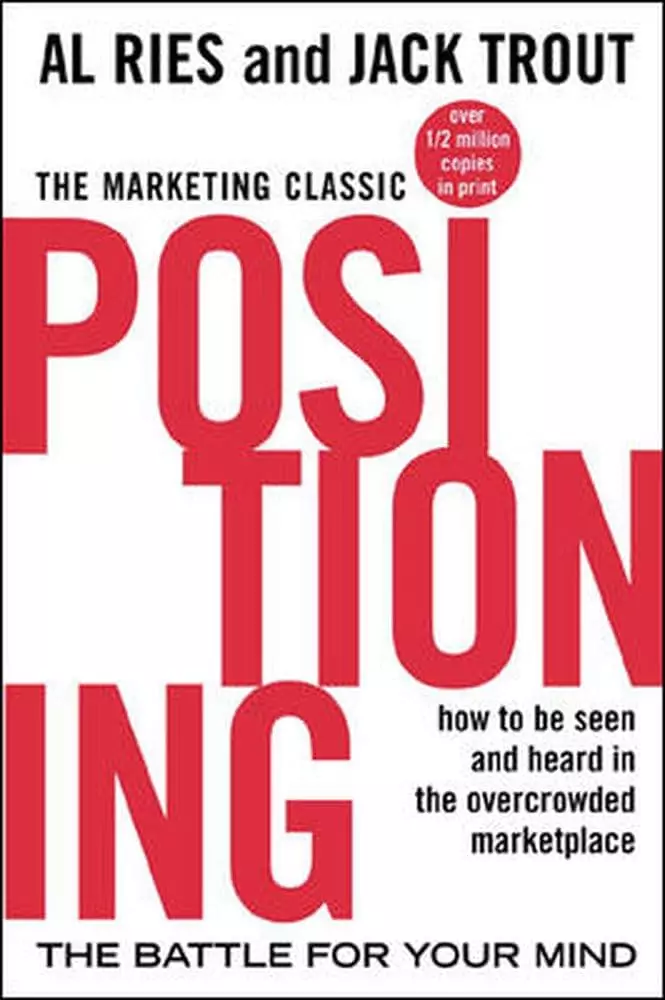
"Positioning: The Battle for Your Mind", Al Ries and Jack Trout
Essential framework for competitive positioning — directly applicable to evaluating which agency market occupies the territory your brand needs to win.
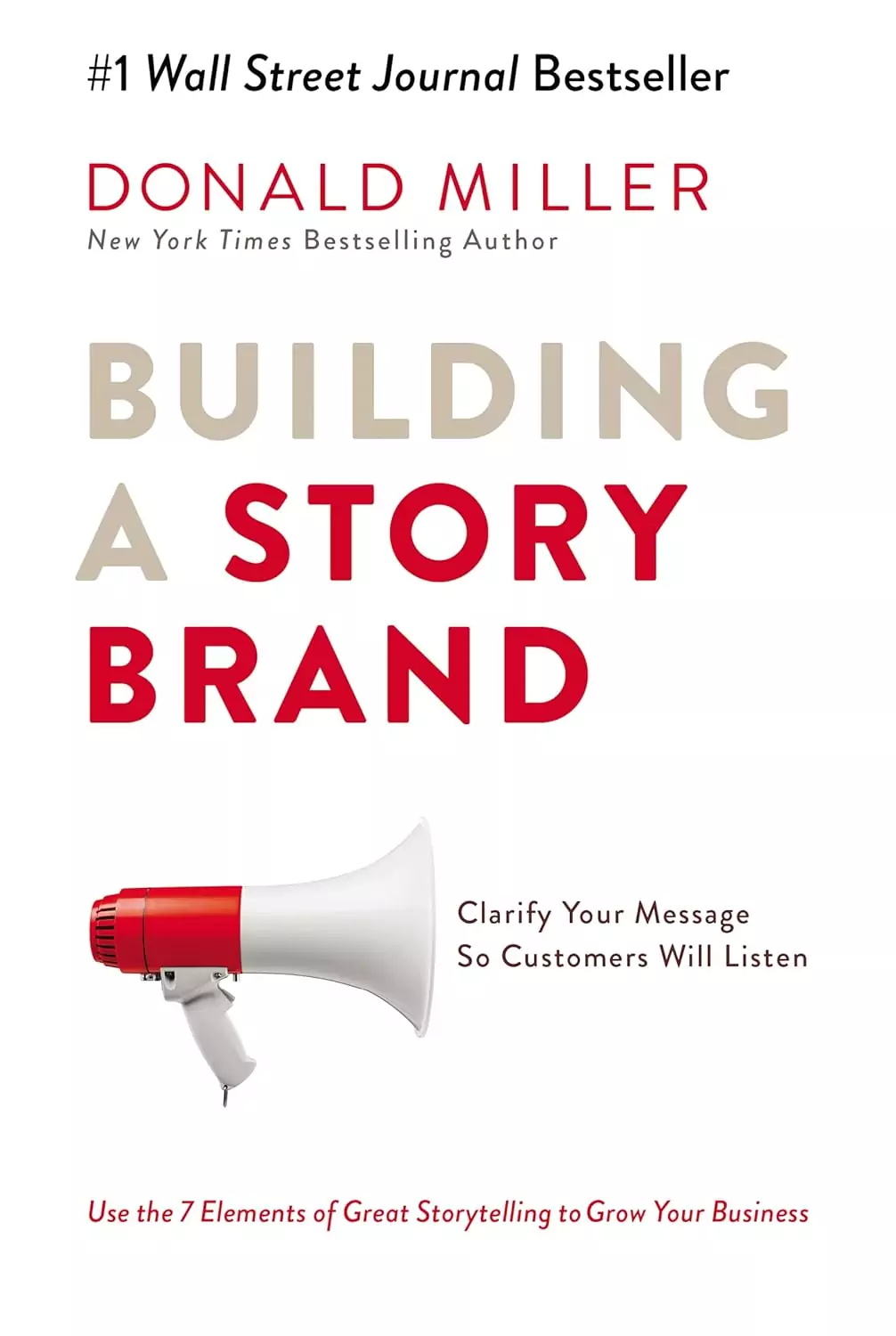
"Building a StoryBrand", Donald Miller
Clarifies brand messaging principles that matter regardless of agency geography — helps evaluate whether agencies develop clear positioning or produce creative noise.
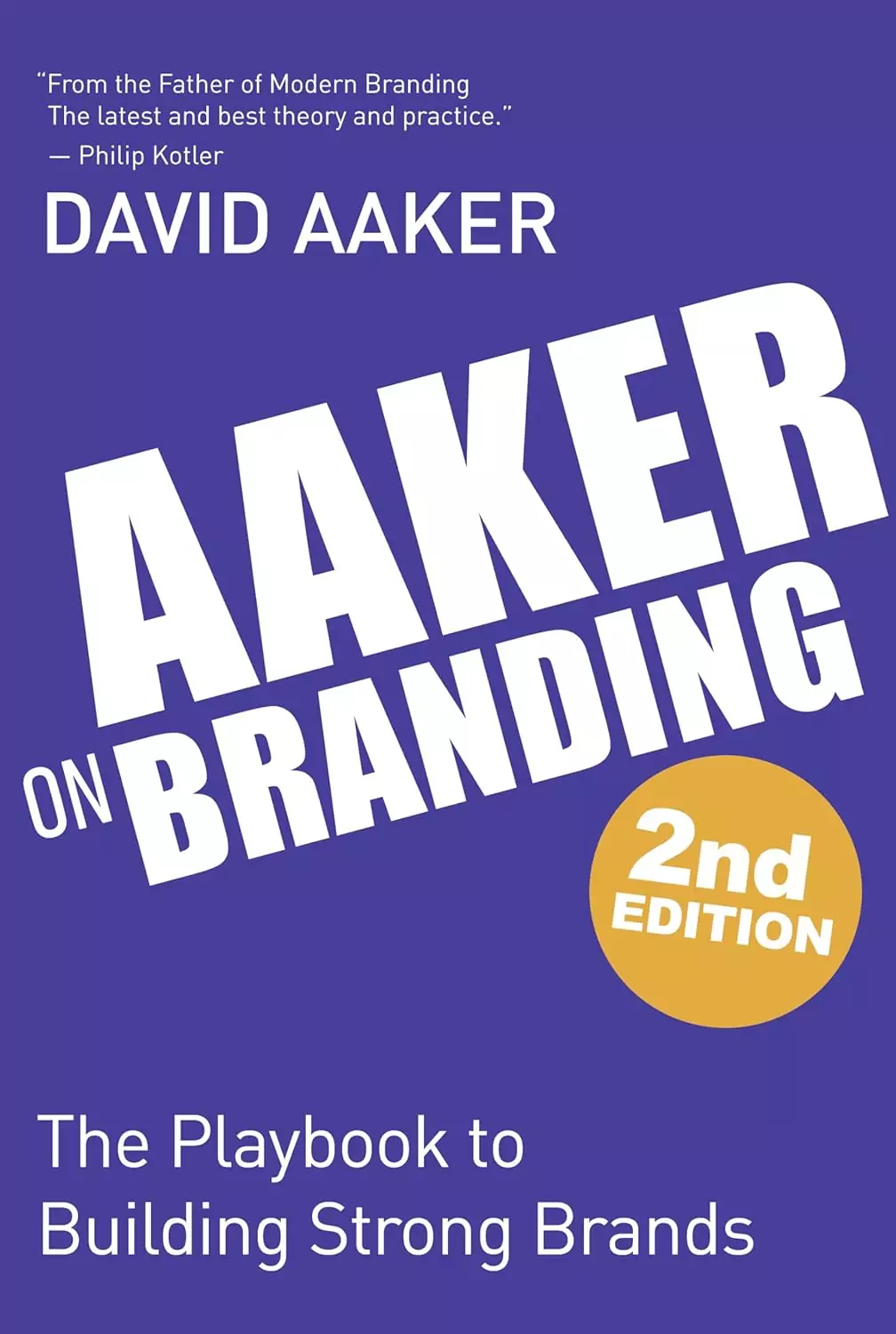
"Aaker on Branding", David Aaker
Brand architecture and portfolio strategy frameworks that help assess agency strategic capability beyond geographic reputation and visual portfolios.
I see companies waste money on NYC agencies for prestige when Miami delivers equivalent quality at 40% lower cost. The real question isn't which city is better — it's whose expertise matches your actual needs.