
Miami's startup ecosystem grew 3% in five years — and most companies in it look identical. Here's how to build a brand strategy that actually differentiates, raises money, and scales without a complete rebuild every funding round.
Key takeaways 👌
Brand positioning clarity determines fundraising success more than visual polish — VCs evaluate 3,000+ pitches annually and fund 1–2% of companies they meet. Clear positioning explaining who you serve, what problem you solve, and why you're different separates fundable companies from confusing pitches investors dismiss in 30 seconds.
Competitive differentiation requires owning specific positioning territory — not claiming generic superiority. Saying "we're better, faster, easier" doesn't differentiate when 40 competitors make identical claims. Real differentiation comes from positioning territory competitors can't or won't occupy.
Scalable brand systems prevent expensive rebrands as startups grow — seed-stage brands architected for complexity handle Series B scale without complete rebuilds. Brands designed only for the current stage break down when teams grow from 10 to 100 people.
Introduction
Miami's startup ecosystem transformation from regional tech scene to national innovation hub created both opportunities and intense competition. Venture capital investment in Miami startups grew from $200 million in 2019 to over $6 billion in 2024, attracting entrepreneurs from San Francisco, New York, and internationally. This influx created a vibrant ecosystem — and crowded markets where 30 to 50 funded startups compete in every category.
The practical implication for brand strategy: "build a great product and customers will find you" no longer works, if it ever did. When 40 B2B SaaS startups serve similar markets, product quality alone doesn't determine success. Brand positioning — how clearly you communicate who you serve, what problems you solve, and why you're different — determines which startups break through the noise versus getting lost among similar competitors.
Miami's specific dynamics create unique brand challenges. The city attracts startups in particular verticals: fintech serving Latin American markets, real estate technology, hospitality tech, logistics and supply chain, healthcare innovation. Within these concentrations, differentiation becomes critical. A fintech startup can't just be "we're building financial technology" — they must position specifically around underserved segments, unique approaches, or geographic focus, separating themselves from 30 other Miami fintech companies.
Another Miami-specific factor is the tension between targeting local versus national markets. Some startups leverage the city's position as a gateway to Latin America. Others pursue national U.S. markets, treating Miami as an operational base. This strategic choice affects brand positioning fundamentally — and it must be made before touching a design tool.
This city-specific guide builds on our complete brand strategy framework with Miami market context.

Positioning Strategy Before Visual Identity
The most common brand strategy mistake startups make is jumping immediately to visual identity — logos, colors, fonts — without establishing a strategic positioning foundation. A beautiful visual identity built on unclear positioning creates confusion despite aesthetic excellence.
The Positioning Framework
Brand positioning answers four fundamental questions determining how target audiences perceive your startup relative to alternatives.
Who specifically do you serve? Not "businesses with 10–500 employees" but specific buyer personas with specific characteristics. A B2B SaaS company might serve "VP of Sales at 50–200 person Series A–C startups in enterprise software." Specificity enables focused positioning versus generic messaging that attempts to appeal to everyone and resonates with no one.
What problem do you solve? Not your features or technology, but the actual business problem customers experience. Customers don't care about your AI-powered analytics platform — they care about reducing customer churn, improving sales forecasting accuracy, or identifying revenue opportunities earlier. Problem clarity determines whether customers immediately understand relevance.
How are you different from alternatives? Not "we're better" but specifically how your approach, focus, or methodology differs. Maybe you serve a segment competitors ignore, take a philosophical approach competitors reject, or prioritize criteria competitors deprioritize. Real differentiation comes from owning positioning territory others don't occupy.
Why should customers believe you? What proof points, credentials, or evidence validate your claims? Early-stage startups lack extensive proof, making founder credibility and initial customer evidence critical for establishing positioning authenticity.
Competitive Positioning in Crowded Markets
Miami's concentrated startup verticals create positioning challenges requiring thoughtful competitive analysis. When 30 fintech startups serve similar markets, superficial differentiation — "we use AI" or "we're mobile-first" — doesn't cut it because everyone makes identical claims.
Effective competitive positioning identifies territory you can own that competitors don't occupy: segment-specific positioning around company size or use case competitors ignore; approach-based positioning taking a different philosophical or technical direction; integration-focused positioning around systems competitors don't support; or geographic positioning around regions competitors deprioritize.
The key is authentic differentiation based on genuine strategic choices, not marketing claims. If you position around serving mid-market companies but your pricing targets enterprise, your positioning lacks authenticity. Positioning must reflect actual decisions about markets served, problems prioritized, and approaches taken — and it needs to be resolved through proper brand strategy work before any visual design begins.
Visual Identity That Supports Strategic Positioning
Once positioning clarity exists, visual identity translates strategy into tangible brand expression. The mistake is treating visual identity as a purely aesthetic decision disconnected from positioning — but smart visual identity reinforces positioning and differentiates visually as well as strategically.
Visual Differentiation in Competitive Categories
Look at 30 fintech startup websites and you'll see remarkable aesthetic homogeneity: blue color palettes, sans-serif typography, abstract geometric graphics, stock photography of diverse teams in modern offices. This visual sameness comes from startups defaulting to "what successful tech companies look like" rather than considering how visual identity can reinforce unique positioning.
Visual differentiation starts with understanding category conventions — what colors, typography, imagery, and design styles dominate your competitive set — and then making intentional decisions about where to conform versus where to differentiate.
Color strategy offers meaningful opportunity within professional constraints. If competitors use navy blue, consider teal, indigo, or midnight blue — maintaining professional credibility while differentiating visually. Bold colors suit disruptive challenger brands; refined palettes suit established, trusted positioning. Typography choices signal brand personality: modern geometric sans-serif fonts signal contemporary technology, classical serifs signal established credibility, rounded fonts signal approachable human-focused brands. These choices should align with positioning strategy, not aesthetic preference alone.
Creating Scalable Brand Systems
Seed-stage startups with 5-person teams have different brand needs than Series B companies with 100 employees. But building brand systems only for the current stage creates expensive problems when startups grow — requiring complete rebrands when the original visual identity doesn't scale to increased complexity.
Scalable brand identity systems anticipate future needs without over-engineering for scale that startups haven't reached. At minimum: logo systems with variations supporting different contexts, color systems with secondary and accent colors supporting future expansion, typography with weights and styles supporting hierarchical information architecture, and brand guidelines enabling consistent application as teams grow.
A 5-person startup doesn't need comprehensive brand architecture managing sub-brands. But thoughtful primary brand system architecture prevents needing a complete visual rebrand when reaching 50 people and launching a second product — which is a far more expensive and disruptive problem than investing slightly more thoughtfully at the outset.
If you can't describe your position in eight words or less, you don't have a position.
— Jay Levinson, Author, Guerrilla Marketing
Brand Strategy for Fundraising
Brand strategy directly impacts fundraising success through multiple mechanisms. VCs evaluate thousands of pitches annually — clear positioning determines whether investors immediately understand your opportunity or spend mental energy figuring out what you do.
Positioning Clarity in Pitch Decks
Pitch decks must communicate positioning within the first 30 seconds because investors decide quickly whether opportunities merit deeper attention. Weak positioning creates confusion: "We're building AI-powered analytics for sales teams" doesn't differentiate when 40 companies make similar claims. Strong positioning creates immediate clarity: "We help Series A–C B2B SaaS companies predict and prevent customer churn 90 days earlier than existing tools by analyzing product usage patterns competitors ignore." Specificity explains who you serve, what problem you solve, and how you differ.
Visual brand quality in pitch decks also signals professionalism investors notice. Amateur deck design with inconsistent fonts, poor color choices, and cluttered layouts makes sophisticated products appear less credible. Professional design using consistent brand systems signals competent execution — making investors more confident in the founding team's capabilities overall.
Investors see a correlation between brand clarity and business clarity. Founders who can't articulate positioning clearly in brand and pitch materials often lack strategic clarity about markets, customers, and business models. Conversely, founders with sharp positioning typically understand their markets deeply — the characteristic investors actually back.
Brand Credibility for Enterprise Sales
Many Miami startups serve enterprise customers, requiring brand credibility that consumer-focused startups don't need. Enterprise buyers evaluate vendors through a risk lens: will this startup still exist in 2–3 years? Can they support our scale? Brand quality signals viability. Amateur brands signal amateur operations — making enterprise buyers uncomfortable betting their careers on unproven vendors. Professional brands reduce perceived risk and increase win rates.
This doesn't mean startups need enterprise agency budgets. It means brand quality must match product sophistication and target market expectations. If you're selling $100k+ enterprise software, your brand must look like companies that successfully sell $100k+ enterprise software — not like a side project built on weekends.

Before spending money on visual identity, write your positioning in one paragraph a stranger could understand in 30 seconds. If you can't clearly explain who you serve, what problem you solve, and why you're different — in plain language, without jargon — you're not ready for brand design. You need positioning strategy first.
Messaging and Communication Strategy
Brand strategy extends beyond visual identity to verbal identity — how you talk about your company, describe your value, and communicate with audiences. Messaging strategy determines whether target audiences immediately understand relevance or remain confused about what you do.
Value Proposition Clarity
Weak value propositions describe features: "AI-powered analytics platform with machine learning algorithms." Strong value propositions explain customer outcomes: "Predict which customers will churn 90 days before they leave, giving you time to intervene and save revenue." The difference is perspective — feature-focused language describes what you built; outcome-focused language describes what customers get.
Testing value proposition clarity is simple: explain your product to someone outside your industry and ask them to repeat back what you do and why it matters. If they can't, your value proposition lacks clarity. Iterate until strangers immediately understand customer value without asking clarifying questions.
Audience-Specific Messaging
Different audiences need different messages. Technical buyers evaluate different criteria than economic buyers. Investors care about different aspects than customers. For B2B startups, this typically means messaging for technical evaluators (integration capabilities, security, technical architecture), economic buyers (ROI, cost savings, business outcomes), and executive stakeholders (strategic value, competitive advantage).
Messaging architecture documents these frameworks — capturing positioning statements, value propositions, proof points, and audience-specific variations in organized systems that sales, marketing, and product teams can use consistently. This prevents message drift where different team members explain the company differently, confusing markets and diluting positioning.
Tone of Voice and Brand Personality
Beyond what you say, how you say it communicates brand personality. Tone of voice decisions should align with positioning strategy and target audience expectations. Enterprise software serving conservative industries uses a professional, authoritative tone. Consumer products use a friendly, conversational tone. B2B tools for technical audiences can use more technical language than products serving non-technical users.
Consistency in tone across touchpoints — website, product, customer support, sales communications, social media — reinforces brand personality. Inconsistent tone signals organizational confusion, undermining credibility with sophisticated audiences evaluating vendor reliability.
Interesting fact 👀
Venture capital investment in Miami’s startup ecosystem has grown exponentially in recent years, rising from hundreds of millions to several billion dollars annually. At the same time, startup density has surged, intensifying competition for investor attention, talent, and customers — making clear and differentiated brand positioning more critical than ever.
Brand Implementation Across Touchpoints
Brand strategy and visual identity only create value when implemented consistently across all touchpoints where audiences encounter your company.
Website as Primary Brand Expression
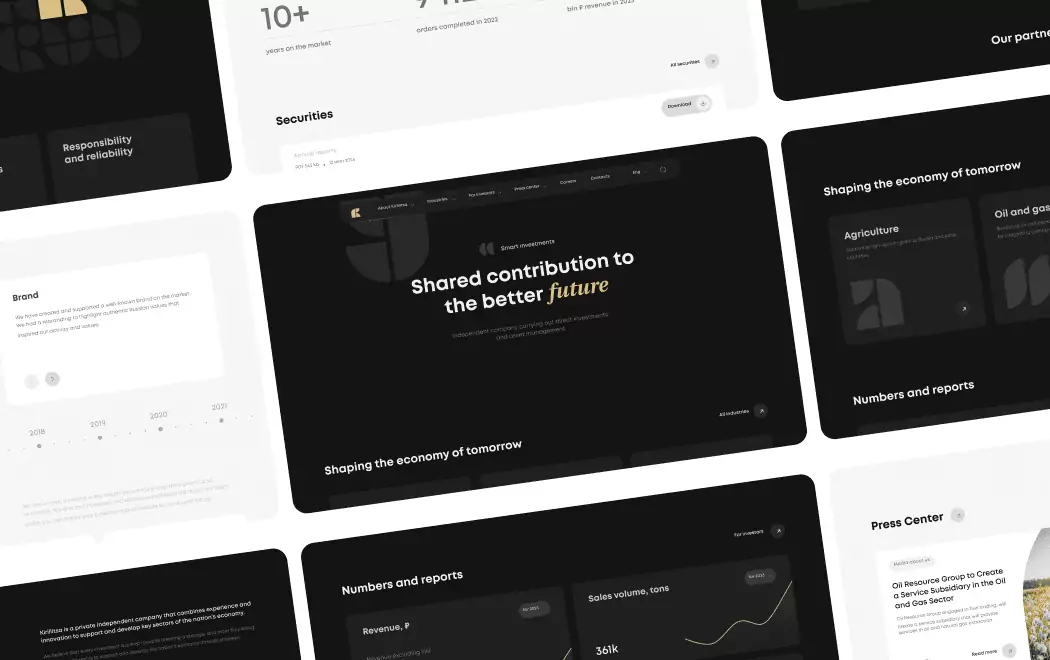
For most startups, the website is the primary brand touchpoint where investors, customers, partners, and candidates form first impressions.
Website design must express brand strategy — positioning clarity, visual identity, messaging consistency — while converting visitors to desired actions.
The brand-website connection is bidirectional: brand strategy informs website positioning, messaging, and design, while website requirements influence brand system design. For startups developing both simultaneously, integrated brand and web development ensures consistency and efficiency versus separate sequential projects that inevitably produce misaligned outputs.
Sales and Marketing Collateral
Sales teams need branded materials — pitch decks, one-pagers, case studies, proposal templates — that maintain brand consistency while enabling effective sales conversations. Marketing teams need templates for content, social media, events, and campaigns that maintain brand standards without requiring design resources for every execution.
Brand systems must balance consistency with practical efficiency. Comprehensive template libraries and component systems enable teams to produce on-brand materials independently, reserving design resources for strategic brand applications rather than routine execution.
Brand Strategy on Startup Budgets
Early-stage startups face brand strategy challenges with limited budgets. Investing appropriately for each stage prevents both under-investment that undermines credibility and over-investment in sophistication that startups don't need yet.
Pre-seed (under $25k): Focus on positioning clarity and basic professional visual identity. DIY positioning strategy combined with template-based visual identity or affordable designers can work. The key is investing effort in strategic thinking — who you serve, what problem you solve, how you differ — even if visual execution uses affordable resources. Clear positioning with good-enough visual identity beats beautiful design built on unclear positioning.
Seed ($25k–$60k): This investment level enables working with brand agencies or senior independent designers who can facilitate positioning workshops, competitive analysis, and strategic brand development — not just execute visual design. Deliverables should include positioning clarity, a custom visual identity system, a foundational messaging framework, and pitch deck design supporting fundraising.
Series A+ ($60k–$150k+): Brand sophistication must match company scale and market position. Series A companies selling to enterprise customers or raising institutional funding need brand quality signaling established business credibility. This level enables comprehensive brand strategy including research, competitive positioning, complete visual identity systems, detailed messaging architecture, and a full brandbook for implementation across touchpoints.

Knowing when to rebrand versus when to evolve what you have saves founders from expensive decisions made at the wrong moment. This guide covers the signals, timing, and process: Rebranding: What It Is, When It's Needed, and How to Do It
Measuring Brand Strategy Effectiveness
Brand strategy creates business value through fundraising success, customer acquisition, talent recruiting, and partnership development. Measuring brand impact helps justify investment and optimize brand decisions over time.
Fundraising metrics show through investor engagement: what percentage of investor meetings result in follow-up conversations, whether investors immediately understand your positioning, and whether they correctly identify your differentiation versus alternatives. Qualitative feedback reveals effectiveness — if investors consistently ask "how are you different from [competitor]?" your differentiation lacks clarity. If they ask "what exactly do you do?" your core positioning is confusing.
Customer acquisition impact shows through website traffic from direct and branded search (indicating brand awareness), demo request conversion rates, sales cycle length, and competitive win rates. Tracking these metrics over time reveals brand impact relative to investment.
Talent recruiting metrics include candidate application rates, offer acceptance rates, and quality of inbound candidates. Strong brands attract better talent and reduce recruiting costs — a significant operational benefit that compounds as teams grow.
Want to discuss your project?
Share your vision with us, and we'll reach out soon to explore the details and bring your idea to life.


Conclusion
In Miami's startup market, positioning clarity is not a brand problem — it's a survival problem. The startups succeeding in this ecosystem invest in brand strategy as business strategy — understanding that clear positioning affects fundraising, customer acquisition, recruiting, and partnership development simultaneously, and that unclear positioning costs money in every one of those channels every month.
The sequence matters: positioning first, visual identity second. Founders who can articulate who they serve, what problem they solve, and why they're different in one clear paragraph before touching design tools build brands that work. Founders who skip to visual identity because it's more tangible and exciting end up with beautiful brands that confuse investors, fail to differentiate in competitive markets, and require expensive rebuilds when strategic clarity eventually emerges.
Start with an honest competitive analysis. Understand who you compete against, how they position themselves, and what positioning territory you can own that others don't occupy. Then articulate your positioning clearly before hiring a designer. The investment in that sequence — strategic clarity before creative execution — is the difference between a brand that grows with your company and one that holds it back.
Recommended reading 🤓

"Positioning: The Battle for Your Mind", Al Ries and Jack Trout
The foundational text on competitive positioning — essential for startup founders who need to understand how brands occupy territory in customers' minds and how to position effectively versus competitors.
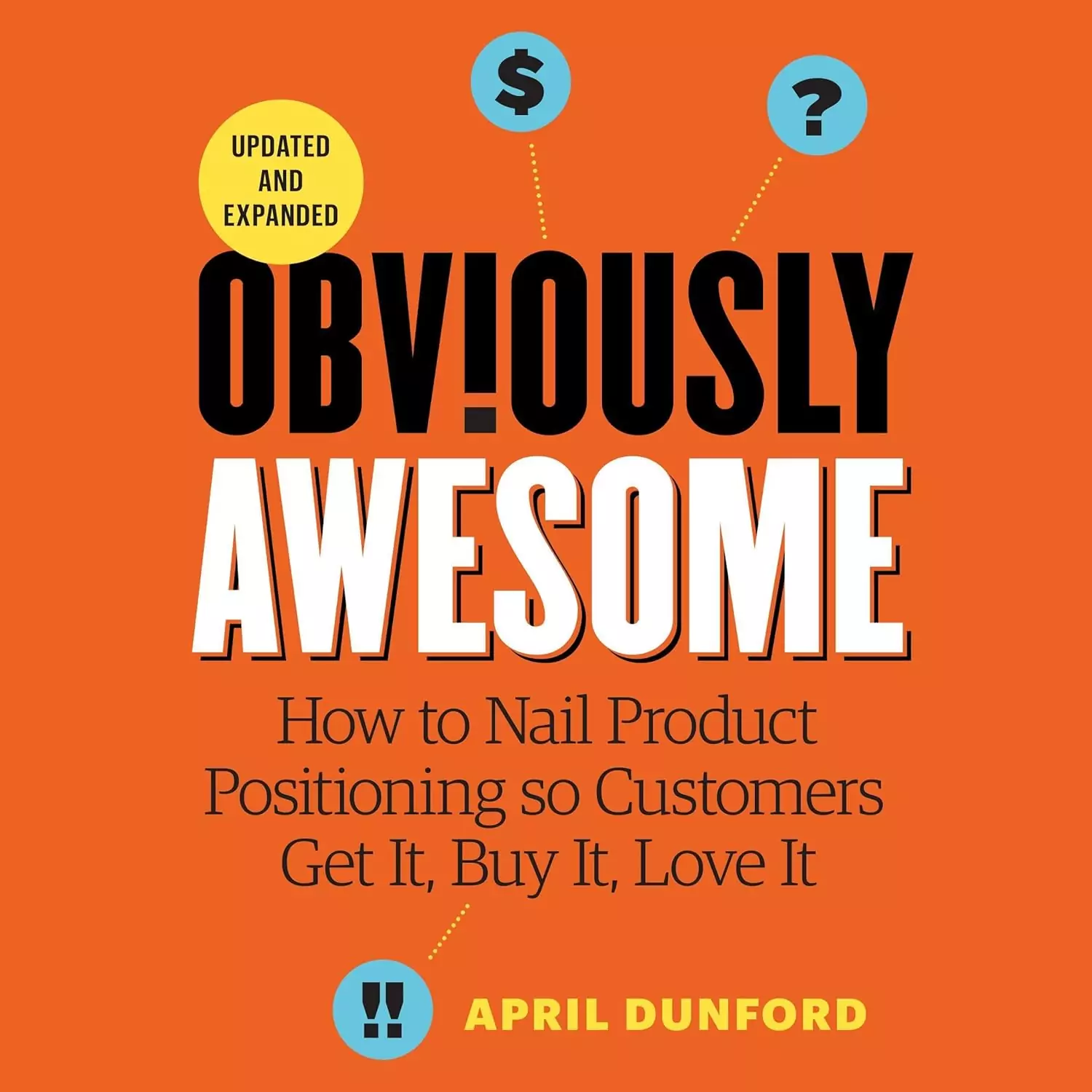
"Obviously Awesome", April Dunford
Practical guide to product positioning specifically for technology startups, written by a former VP of Marketing who positioned multiple companies successfully through growth stages. The most directly applicable book on this list for early-stage founders.
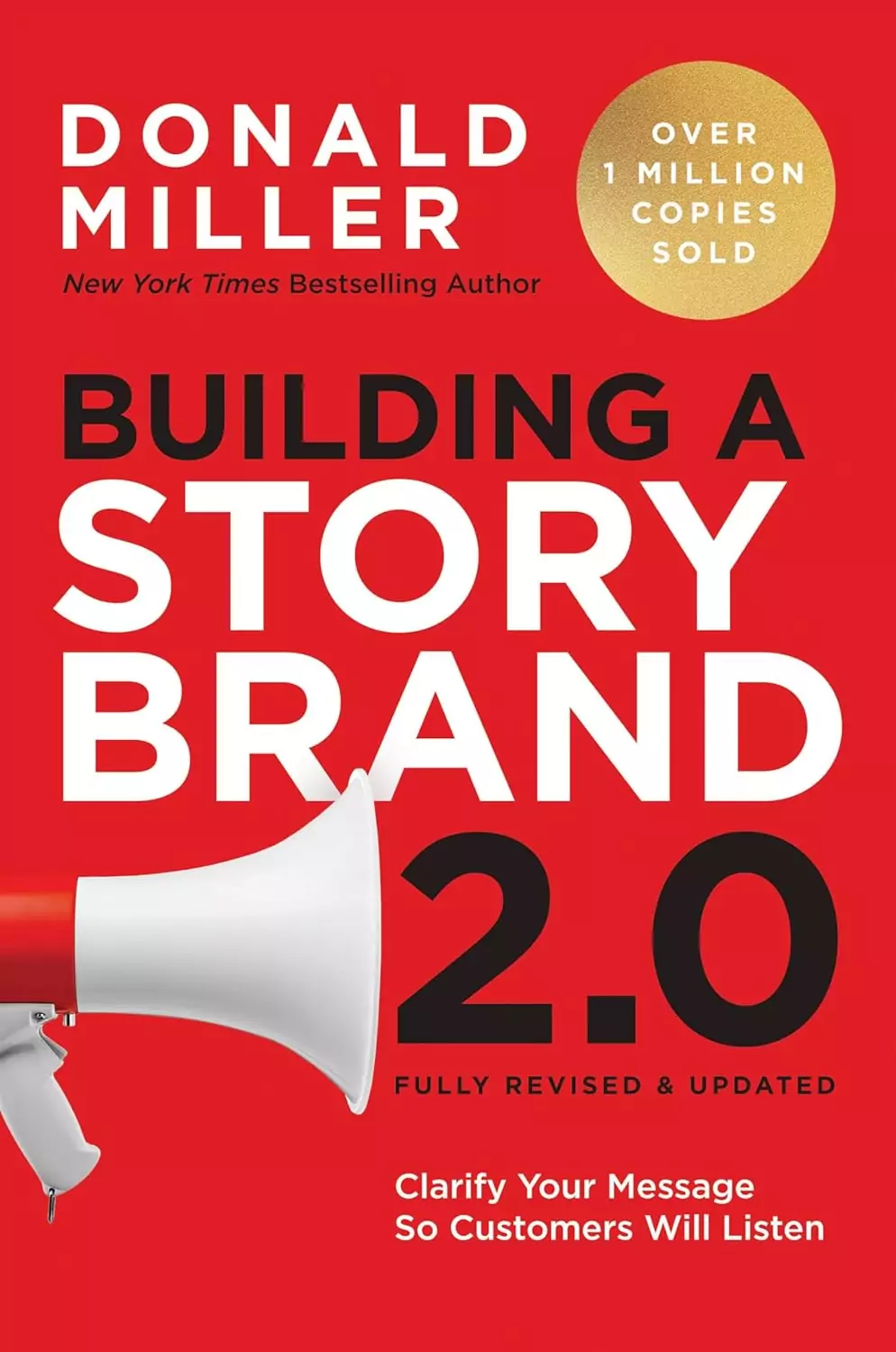
"Building a StoryBrand", Donald Miller
Framework for clarifying brand message using storytelling principles — helps startups communicate value clearly to customers who don't care about technology details but need to understand outcomes.
Most Miami startups confuse brand strategy with visual identity — spending $50k on beautiful logos while skipping the strategic work determining how they position against competitors. Brand strategy answers: who specifically do we serve, what problem do we solve uniquely, and why should anyone choose us versus alternatives?