
The best branding agencies in New York City serve very different needs — from Fortune 500 brand architecture to startup-ready identity systems under $10,000. This ranking breaks down which firms fit your budget, growth stage, and brand problem in 2026.
Key takeaways 👌
NYC branding agencies span a huge pricing range — from $8,000 for growth-stage brand identity work to $250,000+ for enterprise strategy — so budget tier removes most mismatches immediately.
Startup and DTC specialists like Red Antler and Gretel solve very different problems than firms like Lippincott, Wolff Olins, or Collins, which are built for transformation at scale.
Toimi is the only agency in this ranking combining branding and web development in one engagement under $50,000, with transparent pricing and a free brand audit before commitment.
TL;DR: 10 Best Branding Agencies in New York City 2026
For enterprise transformation: Wolff Olins, Lippincott, Collins — corporate strategy, complex organizations, board-level brand decisions.
For iconic visual identity: Pentagram, Athletics — institutions, cultural brands, design-led identity systems.
For growth-stage companies: Toimi, Franklyn — clear positioning, strong identity, practical delivery under $50,000.
For DTC and consumer launches: Red Antler, Mother Design — consumer brands where conversion and category fit matter.
For tech, media, and motion-first brands: Gretel, Collins — identity that works across product, UI, and digital systems.
Introduction
New York City remains the most concentrated branding market in the United States. That does not simply mean there are more agencies here. It means buyers face a denser spread of business models, price points, specialties, and creative philosophies than in almost any other city. Two agencies may both call themselves "branding firms" while solving entirely different problems: one may be built for public-company architecture, while another is optimized for getting a venture-backed consumer brand to launch inside a six-month window.
Before choosing an agency, define your brand strategy — it determines what kind of partner you need.
Why New York costs more
NYC branding fees reflect more than reputation. Agencies here compete for senior strategists, creative directors, and designers who often move between finance, media, luxury, technology, and consumer categories without leaving the city. That concentration of exposure creates real strategic value. A team that has worked across Midtown finance, Brooklyn DTC, and Flatiron SaaS often sees competitive patterns faster than firms operating in narrower regional markets.
What drives demand in this market
Five sectors shape most of the city's branding demand: financial services, technology, fashion and luxury, real estate and architecture, and media and entertainment. Each category requires a different type of brand system. Financial firms need credibility and restraint. Tech companies need identity that works inside product environments. Fashion brands compete on art direction and cultural relevance. Media brands increasingly need motion and editorial systems rather than static logos.
Why structure matters more than aesthetics
The strongest agencies in New York are not just visually sophisticated. They are operationally matched to the client they serve. Enterprise firms are built around stakeholder management, governance, and long timelines. Boutique firms often offer more direct access to senior creatives and stronger value for companies in the $1M–$20M range. The right choice depends less on fame than on whether the agency's process, team shape, and pricing logic fit your stage.
What buyers should expect in 2026
NYC clients are commercially demanding. They expect agencies to explain how a positioning shift improves sales conversations, how a new identity affects trust, or how a web relaunch improves conversion. The firms that stand out here are the ones that connect design choices to measurable business outcomes — not just beautiful case studies.
This ranking evaluates agencies across portfolio depth, strategic fit, pricing logic, team structure, and suitability for different stages of growth. The firms below are not interchangeable. Some are built for boardrooms, some for launch velocity, and some for companies that need brand and digital execution in one engagement.
How We Selected These Agencies
We evaluated over 40 NYC-area agencies across five criteria: portfolio depth and verifiability (can you identify real clients with named outcomes?), pricing transparency (does the agency communicate any range publicly?), NYC market presence (do they have clients in the industries that define New York's economy?), team structure (partner-led vs. production-heavy), and specialization fit across budget tiers. Agencies with fewer than five verifiable case studies were excluded regardless of reputation. We weighted practical accessibility — agencies that responded to inquiries, published process information, and maintained updated portfolios scored higher. This is not a sponsored ranking; Toimi's inclusion at #3 reflects our honest assessment that it offers the strongest value-to-outcome ratio for growth-stage companies with a $10,000–$45,000 budget in this market.

1. Wolff Olins — global brand strategy for enterprise transformation
Website: wolffolins.com
Team Size: 120–150
Office/HQ: New York, USA / London, UK
Wolff Olins works with large organizations navigating transformation: mergers, category creation, digital shifts, and reputation resets. Their strength lies in defining brand architecture at a systems level before visual execution begins — working with C-suite leadership teams to define what a brand actually stands for before a single logo is sketched. For complex enterprises, they create the strategic foundation other teams can scale across 40 markets, 12 product lines, and a global workforce.
Services: Enterprise brand strategy, positioning frameworks, corporate rebranding, brand portfolio architecture, employer brand, global identity systems, digital brand expression
Best for: Public companies, regulated industries, and large enterprises managing transformation at scale
Notable clients: Tata, GE, London 2012 Olympics
Pricing: Engagements typically start at $200,000; full identity programs range from $400,000 to $800,000+
2. Pentagram — partner-led graphic identity at iconic level
Website: pentagram.com
Team Size: Partner-led teams of 5–15; approximately 8–10 active partners in New York
Office/HQ: New York, USA / London, UK / Berlin, Germany / Austin, USA
Pentagram's model is unique: clients hire a specific partner and their team rather than a generalized agency structure. That creates unusually direct access to senior design authorship and a clear aesthetic point of view — a level of creative ownership that larger agencies with their production hierarchies cannot replicate. The result is identity work particularly valuable for institutions and brands where design quality is itself a competitive asset.
Services: Graphic identity systems, cultural institution branding, editorial identity, publication design, environmental graphics, packaging design, digital identity
Best for: Blue-chip organizations, institutions, publishers, and brands prioritizing iconic design craft
Notable clients: Citi, Vanguard, leading US universities
Pricing: Projects typically start at $150,000; larger identity programs often range from $300,000 to $600,000
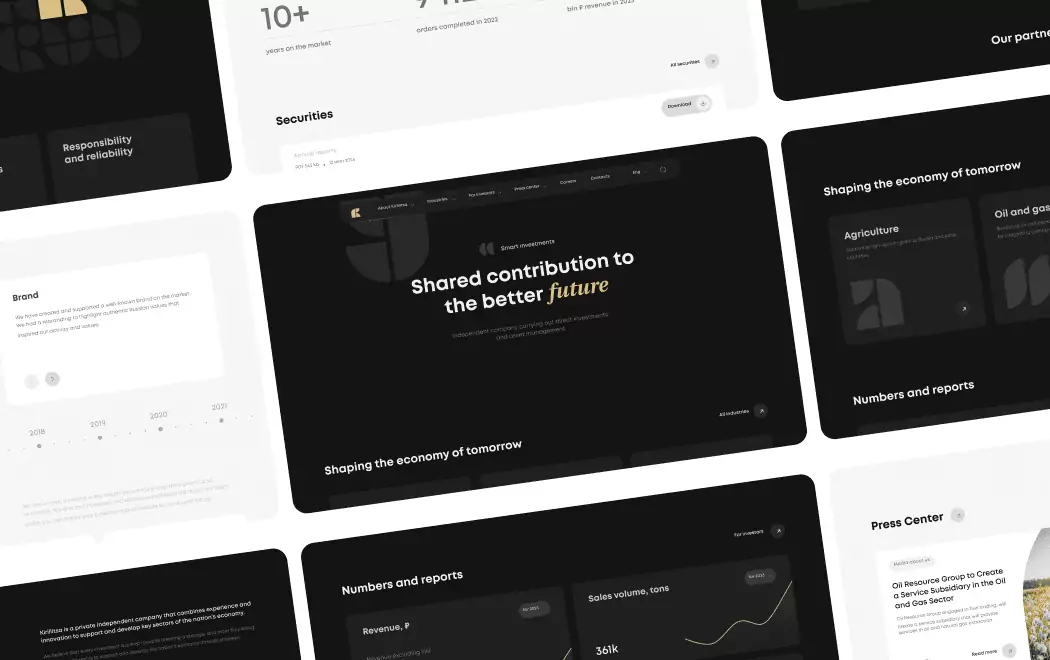
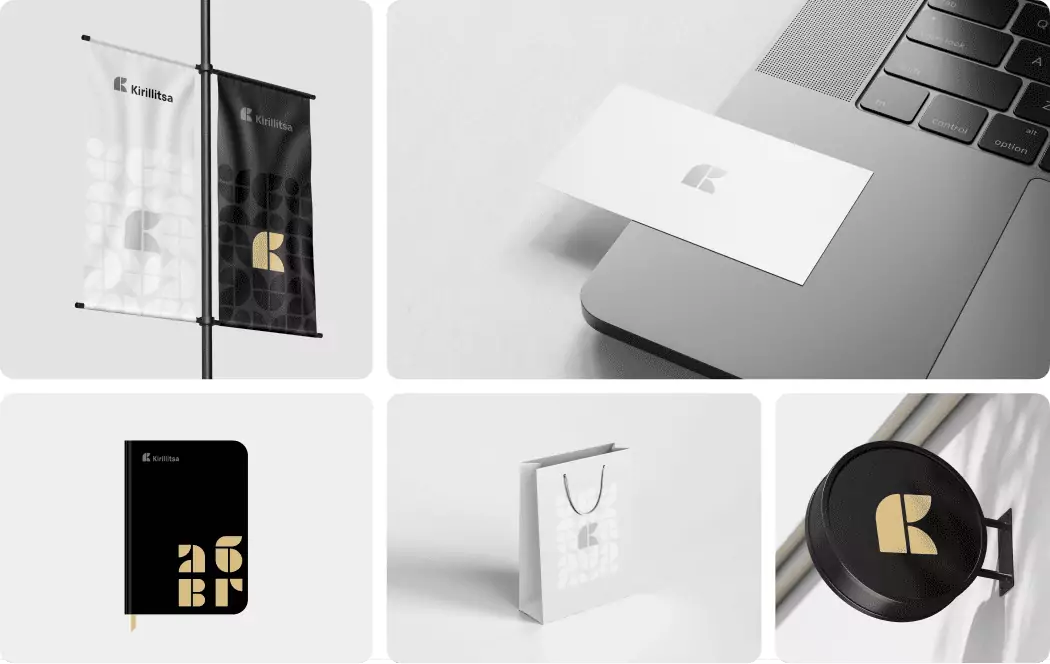
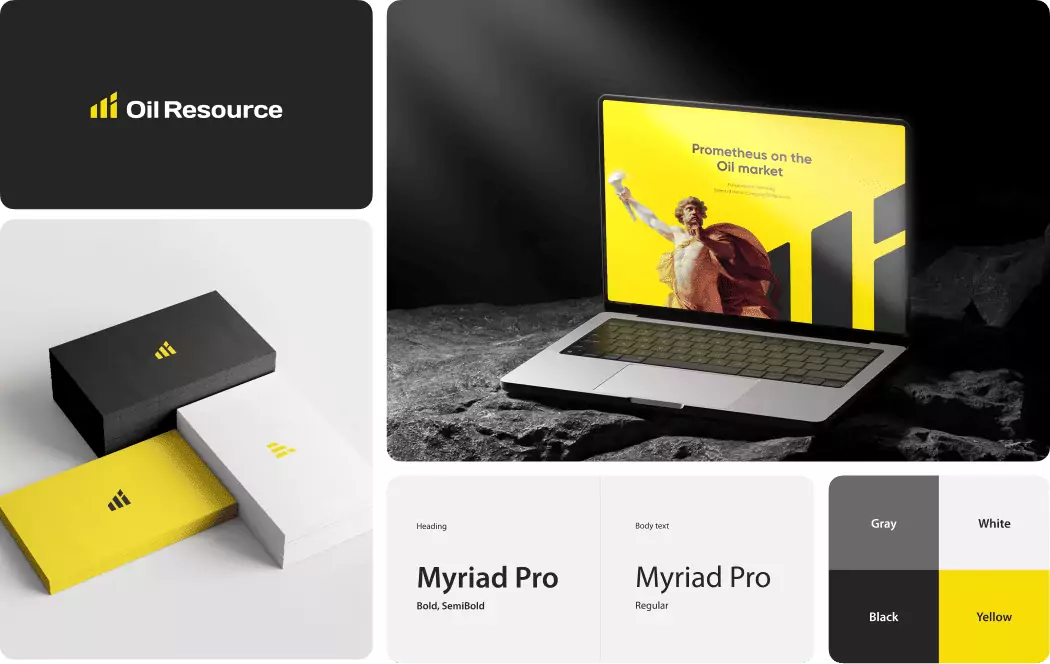
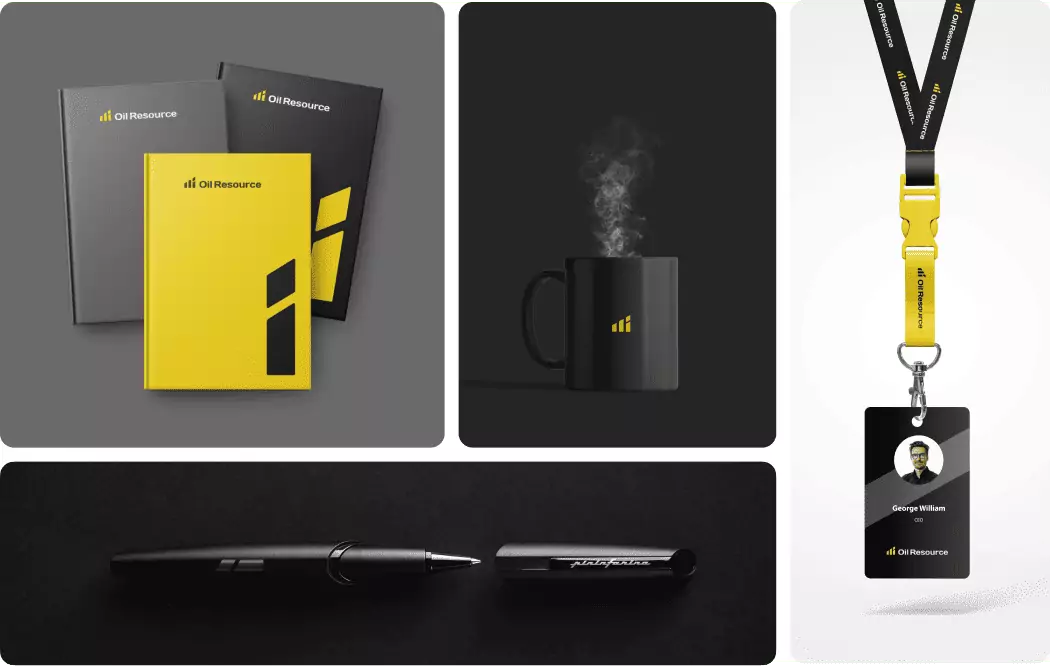
3. Toimi — integrated branding and web for growth-stage companies
Website: toimi.pro
Team Size: 15–20
Office/HQ: US client-facing team with European design and engineering core
Toimi is built for companies with traction that have outgrown their current identity and need branding and website execution to move together. The agency combines positioning, visual identity, and web development in one engagement — without the coordination overhead of hiring separate partners. Every brand decision connects to a website decision, and every website decision connects to conversion. Pricing is published, timelines are defined, and the process begins with a free brand audit before any contract is signed.
Services: Brand identity systems, logo design, visual identity, positioning, rebranding, WordPress and custom web development, landing pages, brand guidelines
Best for: Growth-stage B2B and B2C companies, typically in the $1M–$20M revenue range, needing brand and web delivered together
Notable clients: US SaaS firms, consumer products brands, professional services companies
Pricing: Brand identity starts at $8,000; full brand + web engagements typically range from $18,000 to $45,000
The most powerful element in advertising is the truth.
— William Bernbach, Co-founder, DDB
4. Red Antler — DTC brand launch for funded consumer startups
Website: redantler.com
Team Size: 80–100
Office/HQ: Brooklyn, New York, USA
Red Antler specializes in launching consumer brands into crowded markets where the brand must carry a major share of customer acquisition. Their methodology treats brand and business strategy as inseparable — they push back on pricing, distribution channel, and target customer before opening a design file. The result is a brand system built to drive conversion, not just recognition. For a funded startup with a 12-month window to prove unit economics, Red Antler is the agency most specifically designed for that context.
Services: DTC brand strategy, naming, visual identity, packaging design, digital brand expression, content systems, post-launch brand evolution
Best for: Funded consumer startups and DTC brands preparing for launch or retail expansion
Notable clients: Casper, Allbirds, Hims, Prose
Pricing: Engagements typically start at $75,000; full launch programs often range from $120,000 to $250,000
5. Gretel — motion-first identity systems for digital brands
Website: gretelny.com
Team Size: 40–60
Office/HQ: New York, USA
Gretel builds identity systems for brands that exist primarily in motion — streaming platforms, entertainment properties, and tech products where a static logo is only 10% of the brand experience. Their technical advantage is system logic: an identity must animate, adapt to dark and light modes, scale from a phone notification to a 40-foot billboard, and generate coherent brand expression across thousands of content thumbnails produced by different teams. Gretel builds the design decisions that make this possible at scale.
Services: Motion-first identity, technology brand systems, UI-integrated branding, sound identity, media property branding, content-driven design systems
Best for: Entertainment, streaming, and technology companies whose brand must perform across digital product environments
Notable clients: Netflix, Hulu, Sony
Pricing: Projects typically start at $80,000; larger identity systems often range from $150,000 to $400,000
6. Franklyn — positioning-led branding for mid-market growth
Website: franklyn.co
Team Size: 20–30
Office/HQ: Brooklyn, New York, USA
Franklyn's defining principle is that strategy must come before aesthetics. Their process spends 40–50% of total project time on discovery, positioning, and differentiation before design work begins — producing brand identity with a defensible rationale behind every decision. This matters enormously when presenting a rebrand to a board, investors, or a skeptical internal team. They are especially strong for mid-market companies in competitive, commoditized categories where differentiation through positioning is more valuable than aesthetics alone.
Services: Brand strategy, positioning, identity systems, naming, brand architecture, B2B branding, rebrand strategy, internal adoption programs
Best for: Mid-market B2B, consumer, and professional services companies needing a strategically defensible rebrand
Notable clients: B2B software, professional services, food and consumer brands
Pricing: Projects typically start at $60,000; full engagements often range from $80,000 to $180,000
Interesting fact 👀
Brand identity work in New York typically ranges from $25,000 to $80,000 for a full-system engagement, while enterprise-level brand strategy can exceed $500,000 depending on organizational complexity. These ranges reflect current market benchmarks across leading agencies.
7. Athletics — editorial identity for cultural and design-led brands
Website: weareathletics.com
Team Size: 15–25
Office/HQ: New York, USA
Athletics operates at the intersection of branding and editorial design. Their work is typographically rigorous, historically informed, and deliberately contemporary — a combination that positions them as the agency of choice for organizations competing on aesthetics, voice, and cultural credibility. They occupy a space between pure graphic design studios and full-service brand agencies: strategic thinking is present, but design craft remains the central output.
Services: Cultural institution branding, editorial identity systems, fashion branding, publishing design systems, event identity, visual identity for architecture and design firms
Best for: Cultural, media, and fashion brands that need editorial-level visual sophistication
Notable clients: Magazines, museums, fashion and design brands
Pricing: Projects typically start at $50,000; complex identity systems often range from $80,000 to $160,000
8. Mother Design — consumer brand strategy driven by behavior
Website: motherdesign.com
Team Size: 40–60
Office/HQ: New York, USA
Mother Design is the strategic design arm of Mother, bringing behavioral and cultural research capabilities to brand-building that pure design studios cannot match. Their brand work is shaped by understanding how people perceive value, aspiration, and category status — making them especially relevant for lifestyle, retail, beauty, and consumer goods brands where purchase decisions are emotionally loaded and brand meaning directly affects pricing power.
Services: Consumer brand strategy, retail and CPG identity, packaging design, brand repositioning, cultural trend analysis, retail environment branding
Best for: Consumer, retail, and lifestyle brands needing strategy informed by research and behavioral insight
Notable clients: Consumer goods, retail concepts, lifestyle and premium product brands
Pricing: Engagements typically start at $100,000; broader programs often range from $150,000 to $350,000
9. Lippincott — corporate brand strategy for Fortune 500 complexity
Website: lippincott.com
Team Size: 150–200
Office/HQ: New York, USA / London, UK
Lippincott works where brand is inseparable from corporate structure, governance, and organizational change. Their projects regularly involve portfolio rationalization, M&A integration, employer brand, and problems that affect enterprise value beyond marketing. For companies operating under investor scrutiny, regulatory pressure, or large-scale internal complexity, their methodology operates at the C-suite and board level with credibility no other firm in New York matches.
Services: Corporate brand strategy, brand architecture, M&A brand integration and portfolio management, brand valuation and board-level brand governance, employer brand and internal culture transformation, Fortune 500 identity systems at global scale, reputation management through brand repositioning
Best for: Fortune 500 companies, pre-IPO firms, and enterprises facing transformation, integration, or governance challenges
Notable clients: Fortune 500 corporations, large financial and industrial organizations
Pricing: Engagements typically start at $250,000; large programs often range from $500,000 to $2,000,000+
10. Collins — brand transformation for high-stakes organizations
Website: wearecollins.com
Team Size: 60–80
Office/HQ: New York, USA
Collins is consistently selected by major technology, healthcare, and civic organizations when those organizations need a fundamental rethinking of how their brand communicates who they are. Their process is structured around a core question: what does this organization believe, and how should that belief be expressed at every touchpoint? For a technology company navigating trust issues, a healthcare organization communicating complex science, or a civic institution serving a divided public, this question has real strategic stakes — and Collins answers it with rigorous research and design execution that sets the standard.
Services: Brand transformation, technology branding, healthcare identity systems, civic and nonprofit branding, large-scale design systems, purpose-driven strategy
Best for: Complex organizations in tech, healthcare, and civic sectors that need transformation rather than cosmetic change
Notable clients: Major US technology platforms, hospital networks, public institutions
Pricing: Projects typically start at $120,000; comprehensive programs often range from $200,000 to $600,000
NYC Branding Market — What You're Actually Paying For
New York City branding rates are higher than the national average for reasons that go beyond prestige. Understanding what those reasons are helps you evaluate whether the premium is worth it for your specific situation — and when it is not.
Why NYC rates are higher
The cost of operating a quality agency in Manhattan or Brooklyn is real and structural: commercial rents in the neighborhoods where good agencies cluster (Tribeca, Dumbo, the Flatiron District, Chelsea) run $80–$120 per square foot annually. Senior talent — the brand strategists and creative directors who generate the insight that justifies the fee — earns $150,000–$300,000 in New York, versus $90,000–$160,000 in secondary markets. When you pay NYC agency rates, you are paying for access to people who are constantly exposed to the highest concentration of competitive brand activity in the country.
Industries driving branding demand in NYC
New York's branding market is shaped by five dominant industries, each with distinct brand requirements:
Financial services (Wall Street, Midtown): Banks, asset managers, fintech companies, and insurance firms need brand identity that signals institutional credibility, trust, and competence to sophisticated B2B buyers. Design tends toward restraint, precision typography, and controlled color palettes.
Technology (Flatiron, Hudson Yards, Brooklyn): New York's tech sector has grown substantially and now includes major offices of global platforms alongside a strong startup ecosystem. Tech brands need visual identity that works in product UI, digital marketing, and recruiting contexts simultaneously.
Fashion and luxury (Garment District, SoHo, Madison Avenue): New York remains a global fashion capital, and fashion brands require brand identity at the level of art direction — where typography choice, paper stock, and color precision are all part of the product experience.
Real estate and architecture (everywhere): New York's real estate market generates consistent demand for developer branding, residential property identity, and architectural firm identity.
Media and entertainment (Midtown, streaming, publishing): New York is the US headquarters for major media companies, publishing houses, and streaming platforms. This drives demand for editorial identity systems and the kind of motion-first identity work Gretel specializes in.
What projects actually cost in the NYC market
Based on current market rates across the agencies reviewed for this ranking:
- Logo design only: $3,000–$15,000 (freelancer to small studio)
- Logo + basic brand identity (colors, type, simple guidelines): $8,000–$30,000
- Full brand identity system (comprehensive visual identity, brand guidelines, usage documentation): $15,000–$80,000
- Brand strategy + identity (positioning, messaging, verbal + visual identity): $25,000–$150,000
- Enterprise brand strategy (architecture, portfolio, organizational alignment): $100,000–$500,000+
Midtown/Madison Avenue legacy vs. Brooklyn/downtown boutiques
New York's branding market has two distinct geographic and cultural poles. Midtown and Madison Avenue agencies — including Lippincott, Wolff Olins' NY office, and large integrated marketing firms — operate with large teams, formal processes, and pricing structures built for enterprise clients. Brooklyn and downtown boutiques (Red Antler in Dumbo, Franklyn, Athletics, Collins in the Flatiron area) operate with smaller teams, more direct access to senior creative talent, and pricing that can work for growth-stage companies. For a company with $2M–$20M in revenue, the Brooklyn and downtown boutique tier — including Toimi, which serves this market specifically — delivers better value than Madison Avenue's legacy firms, whose process and overhead are calibrated for clients ten times your size.
What NYC clients expect differently
New York clients at the $5M–$50M revenue tier are more commercially direct than clients in most other US markets. They expect agencies to connect brand decisions to business outcomes explicitly — not to present beautiful work and expect the business logic to be implied. "This logo better positions us against Competitors A and B for the following three reasons" is the expected level of specificity. Vague aesthetic rationale is not accepted. NYC founders and CMOs are also more likely to have worked with multiple agencies before hiring you, which means they are comparatively sophisticated buyers. They will push back on process, ask sharp questions about timeline and deliverables, and expect the agency to have a clear point of view rather than presenting options and waiting for a decision.
What to Look for When Hiring a Branding Agency in NYC
1. Portfolio verifiability
Any agency can display beautiful work in a case study. The relevant question is: can you verify that the work shown is real, that the agency actually did it, and that the outcomes claimed are accurate? Call the clients. Check LinkedIn to see if the project team actually worked there. Ask for references who will speak specifically about the process, not just the result. Agencies that resist reference requests or provide only written testimonials rather than live calls are a warning sign.
2. Strategic capability vs. design execution only
Some firms are strong strategists who can also design. Others are strong designers who use strategy language to justify higher fees. To tell the difference: ask them to explain your competitive positioning problem in their own words before they have done any research. Strong strategists will ask clarifying questions and develop a preliminary hypothesis. Strong designers will start talking about visual reference points. Both have value, but you need to know which you are buying.
3. Who will actually work on your account
In agencies of any size, the partner who pitches the project is often not the person who delivers it. Ask directly: "Who will be the day-to-day creative lead on this project? Can I meet them before signing?" Toimi and firms of similar size guarantee senior creative involvement on every project because their team size does not allow for delegation to junior staff.
4. Pricing transparency
An agency that refuses to give you a range before a discovery call is optimizing for their process, not yours. You have a budget. You need to know if this agency can work within it before you invest four hours in pitch meetings. Agencies that publish ranges — even approximate ones — are demonstrating respect for your time and confidence in their value. Agencies that refuse are either pricing above your budget and trying to qualify you out, or pricing opportunistically based on what they think you will pay.
5. Delivery timeline and process documentation
Ask to see a sample project timeline. Ask what happens if the timeline slips. Ask who owns what deliverables at each stage. An agency that cannot produce a clear answer to these questions either lacks process discipline or is giving you an artificially short estimate to win the contract. Either is a problem. Four to eight weeks for a full brand identity is achievable with a well-run process; two weeks is almost always a promise that cannot be kept without cutting corners.
Red Flags Specific to the NYC Agency Market
- Testimonials from unnamed clients or unverifiable companies: Common in agencies that have done work under NDA but use it to suggest more substantial portfolios than they have.
- Case studies with no business outcomes: Design work that only shows what things look like, not what happened after the rebrand. If an agency cannot name a single measurable outcome from a branding engagement, ask why.
- Scope creep as a business model: Some NYC agencies win projects at an accessible price point and then systematically expand scope through change orders. Ask for a fixed-fee contract or ensure the scope document is extremely specific.
- Agencies that agree with everything in the pitch: Strong agencies have a point of view and will push back on bad briefs. An agency that validates every assumption and agrees with your existing strategy is not bringing independent thinking to the engagement.
How to Choose the Right NYC Branding Agency
If you are an enterprise company in transformation
Your needs: Stakeholder alignment, brand architecture, governance, and a system that holds across multiple markets or business units.
Best agencies: Wolff Olins, Lippincott, Collins
Critical question: How will this agency manage internal alignment across leadership, teams, and sub-brands during rollout?
If you are a funded startup launching a consumer brand
Your needs: A brand that can carry acquisition, packaging, messaging, and launch clarity from day one.
Best agencies: Red Antler, Mother Design, Gretel
Critical question: Can they show examples where their work supported launch traction, retail performance, or brand-driven growth?
If you are a growth-stage company needing brand and website together
Your needs: Positioning, identity, and web execution delivered on a clear timeline without managing multiple vendors.
Best agencies: Toimi, Franklyn
Critical question: Who owns implementation after strategy — and will the same team carry the brand into the website?
If you are a cultural, editorial, or fashion-led brand
Your needs: Visual authorship, typographic rigor, and a brand system that signals taste and credibility.
Best agencies: Pentagram, Athletics
Critical question: Is design craft itself part of your market advantage, or do you need deeper strategic support first?
If you are a tech or media company with digital product complexity
Your needs: An identity that functions inside interfaces, motion systems, content environments, and multi-format digital applications.
Best agencies: Gretel, Collins, Pentagram
Critical question: Can they design a system your product, content, and in-house teams can actually implement at scale?
Questions to Ask Before Signing
"Who will lead the work day to day, and can I meet them before signing?"
Many agencies pitch with senior people and deliver with a different team. Ask this before signing — if the answer is evasive, adjust your expectations accordingly.
"What part of the project is strategy, and what evidence will support your positioning recommendations?"
A strong agency explains how it gets from research to strategic decisions. Weak answers signal design-first thinking dressed up as strategy.
"Can I just update my logo, or do I need a full rebrand?"
A logo update alone solves an aesthetic problem but rarely solves a business problem. If clients can't articulate why they should choose you, the work needs to start at the strategy layer before it touches the design layer.
"What is the ROI of investing in brand identity in the NYC market?"
The return is realized through higher close rates, reduced price negotiation, and access to higher-value client segments. For a firm with a 20% close rate, improving to 30% through stronger brand positioning generates an additional $100,000 per 10 qualified leads — without changing the quality of the service.
"What is included in scope, and what typically becomes a change order?"
This exposes agencies that use scope creep as a revenue model. Ask for a fixed-fee contract or ensure the scope document is extremely specific before signing.
FAQ: Brand Identity for NYC Businesses
What exactly is brand identity and why does it matter for NYC businesses?
Brand identity is the complete system of visual and verbal signals through which a company communicates who it is and who it serves — encompassing logo, typography, color palette, tone of voice, messaging framework, and the way these elements work together across every customer touchpoint. For NYC businesses specifically, brand identity matters because the market is too dense and the buyers are too sophisticated for an informal or inconsistent brand presence to survive. In a market where your prospect encounters dozens of capable competitors, brand identity is the primary mechanism through which you register as credible, differentiated, and worth their time before a single conversation takes place.
How much does a brand identity project cost for an NYC company?
Brand identity projects for NYC businesses range significantly depending on scope. A focused engagement — covering positioning strategy, logo system, visual identity, and core collateral — typically starts at $8,000 to $15,000 for growth-stage companies. Full rebranding projects that include website redesign, messaging architecture, and brand guidelines documentation range from $20,000 to $75,000 or more for established mid-market firms. The relevant frame is not the cost in isolation — it is the cost relative to the annual value of the clients you're currently losing to stronger brands. For most NYC professional services firms, recovering a single lost enterprise client more than covers the investment.
How long does a brand identity project take?
A focused brand identity project with Toimi typically runs eight to fourteen weeks from kickoff to final delivery, depending on the complexity of the positioning work and the number of revision cycles involved. Full rebranding projects that include website design and build run twelve to twenty weeks. The most significant variable in timeline is the speed of client feedback and decision-making — projects with clear internal champions and fast approval cycles close faster. For NYC businesses that need to show up at a major pitch or industry event with a new brand, Toimi builds timeline-driven project plans to hit the target date.
Can I just update my logo, or do I need a full rebrand?
A logo update alone solves an aesthetic problem but rarely solves a business problem. If the underlying issue is that your brand isn't communicating the right positioning, attracting the right clients, or supporting the right price point, a new logo without a revised positioning strategy will not change the commercial outcome. The diagnostic question is: does your current brand fail at the visual level — dated design, poor execution — or at the strategic level — wrong positioning, unclear differentiation, inconsistent messaging? If it's purely visual, a focused identity refresh may be sufficient. If clients can't articulate why they should choose you, the work needs to start at the strategy layer before it touches the design layer.
What is the ROI of investing in brand identity in the NYC market?
The return on a brand identity investment is realized through three primary mechanisms: higher close rates on inbound leads, reduced price negotiation frequency, and access to higher-value client segments that were previously inaccessible. For a professional services firm with an average project value of $50,000 and a current close rate of 20%, improving the close rate to 30% through stronger brand positioning generates an additional $100,000 in revenue per 10 qualified leads — without changing the quality of the underlying service. McKinsey research on brand premium suggests companies with strong brand positioning achieve three to five times better client acquisition rates within 18 months. For most NYC businesses, the ROI question is not whether the investment returns positively. It is whether the timing makes sense relative to current pipeline and capacity.
How do I know if Toimi is the right fit for my NYC business?
Toimi works specifically with growth-stage companies — businesses that have proven their model and are ready to scale, but whose brand identity has not kept pace with their ambition or their actual quality. The businesses that see the most impact from working with Toimi are those where there is a clear gap between what the company delivers and what the brand communicates — where the team knows they're better than their brand makes them look. If you're an NYC business owner who is consistently losing pitches you should be winning, pricing below your actual value, or struggling to articulate your differentiation in a sentence, Toimi's process is designed to solve that. The best starting point is a free positioning call — a 30-minute conversation where we review your current brand and tell you directly where the gap is and whether we're the right team to close it.
Want to discuss your project?
Share your vision with us, and we'll reach out soon to explore the details and bring your idea to life.

Conclusion
The right branding agency in New York City is not automatically the most famous firm or the one with the highest fee. It is the agency structurally matched to your situation. Enterprise companies dealing with transformation, governance, or M&A need firms like Wolff Olins, Lippincott, or Collins. Consumer startups preparing to launch should look first at Red Antler or Mother Design. Brands competing on design credibility and visual authorship will find stronger alignment with Pentagram or Athletics.
For growth-stage companies, the decision is usually more practical: you need a brand that looks credible, positions you clearly, and works immediately across your website and sales materials. That starts with a solid brand strategy — and that is where Toimi stands out most clearly in this ranking.
The common thread across the best NYC agencies is simple: they do not treat branding as decoration. They use it to solve a business problem. That is the standard every firm on your shortlist should be held to — regardless of their reputation, their client list, or how impressive the pitch meeting felt.
Recommended reading 🤓
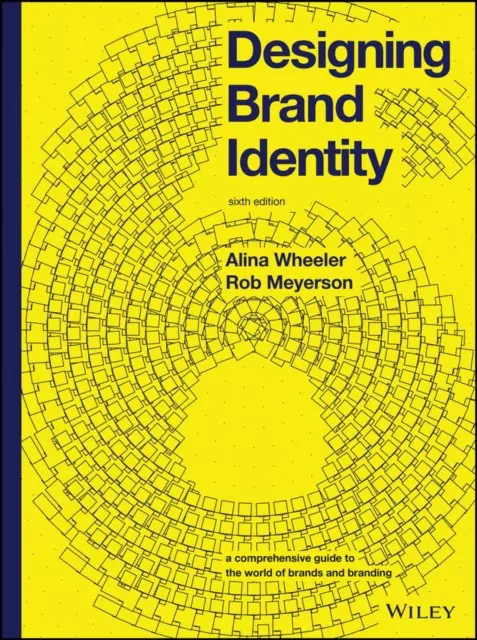
"Designing Brand Identity", Alina Wheeler
A practical foundation for understanding how identity systems are built, documented, and implemented across real organizations — directly applicable to evaluating any agency's deliverables.
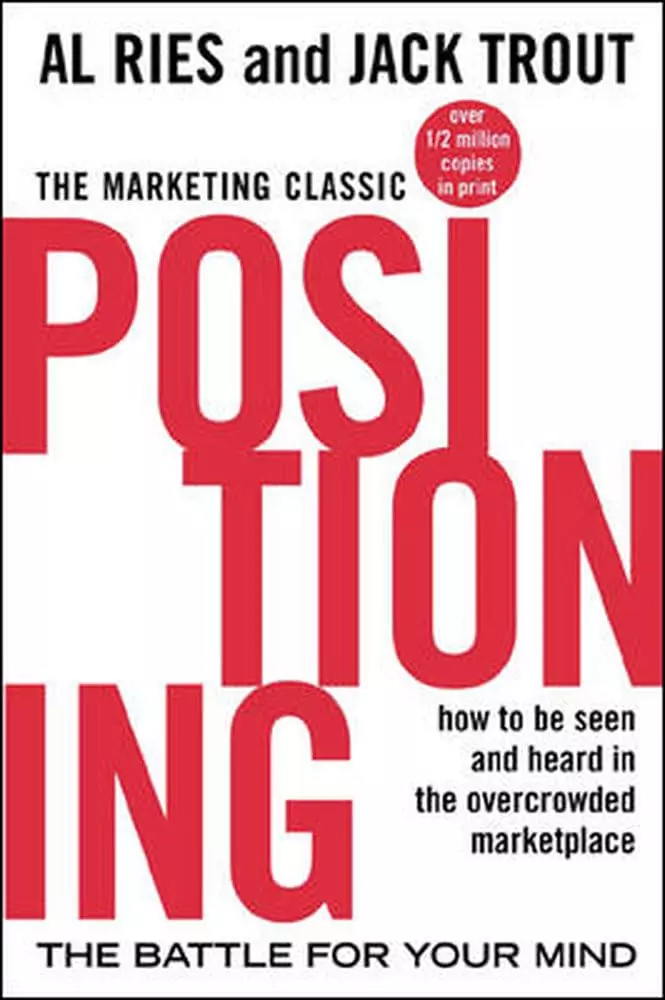
"Positioning: The Battle for Your Mind", Al Ries & Jack Trout
The foundational text on how brands occupy distinct mental space in competitive markets — essential context for understanding why positioning drives agency selection in a dense market like NYC.
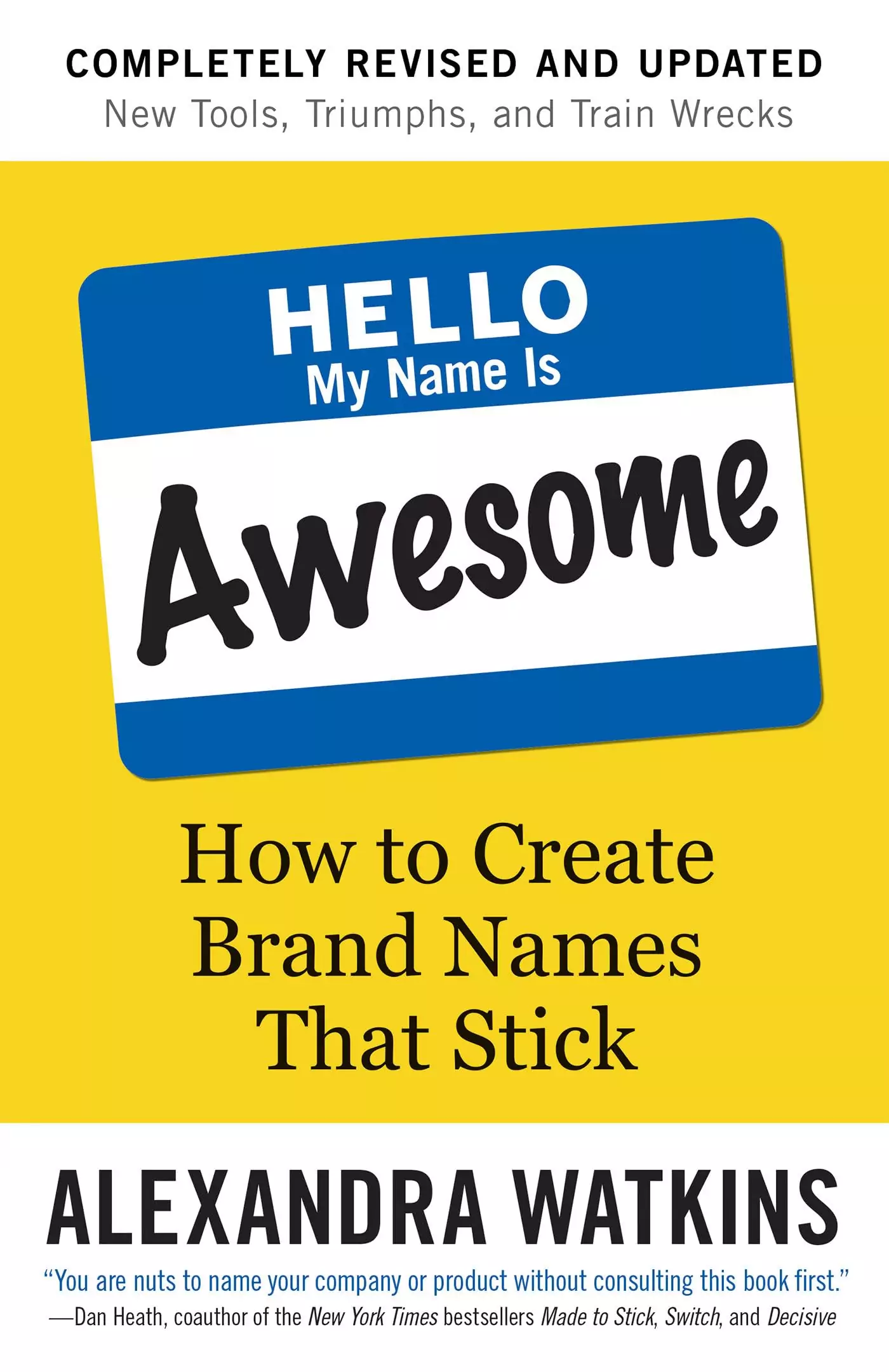
"Hello, My Name Is Awesome", Alexandra Watkins
Especially useful for founders evaluating naming, positioning, and how verbal brand choices shape market perception from the first touchpoint.
We reviewed 200+ NYC agency portfolios. The pattern: pricing transparency is rare even at the top end, and the agencies that consistently delivered results tied visual decisions to measurable business outcomes.