
This guide analyzes the top 4 startup branding agencies in San Francisco, breaks down what VC-ready branding actually costs, and explains how brand strategy determines whether startups raise Series A or run out of runway explaining why nobody understands what they do.
Key Takeaways 👌
VC-ready branding costs $25k-$80k and prioritizes pitch clarity over visual polish. Investors decide in 90 seconds whether your brand signals credible opportunity or confusing noise. SF agencies serving funded startups prioritize positioning clarity and pitch deck effectiveness over logo beauty.
Seed stage and Series A require fundamentally different brand strategies. Seed branding convinces 10-20 investors your concept makes sense. Series A branding proves traction to 100+ enterprise prospects and signals legitimacy for institutional investors. Using seed-stage strategy at Series A explains why growth stalls despite product-market fit.
Brand strategy determines enterprise customer credibility. Consumer startups brand for virality. B2B startups brand for enterprise confidence. SF agencies excel at building brands helping 24-year-old founders sell to Fortune 500 procurement without looking like college projects.
TL;DR: Top 4 Startup Branding Agencies in San Francisco
For Series B+ and design-forward tech: Pentagram ($150k-$400k+) — Premium brand design for established startups competing against incumbents, preparing for IPO, or requiring world-class design sophistication.
For Seed to Series A with strategic depth: Toimi — Complete brand systems integrating positioning strategy, visual identity, pitch decks, and digital implementation with brand-to-product consistency.
For growth-stage brand and product design: Ramotion — Brand identity paired with web and product design for companies past the earliest pre-seed stage.
For Series A+ consumer tech: Collins ($100k-$300k) — Consumer-facing brands requiring emotional storytelling, narrative-driven identity, and personality over enterprise credibility.
Choose SF agencies if: Raising VC funding, building enterprise B2B SaaS, need brands signaling credibility to sophisticated buyers, or operate in competitive tech categories requiring differentiation.
Skip SF agencies if: Building consumer apps without enterprise sales, have under $15k budgets (templates work better), don't plan to fundraise or sell to enterprises (brand complexity unnecessary).
Why San Francisco Startup Branding Is Different
San Francisco startup branding operates under constraints no other market faces: investors who've literally seen everything, enterprise buyers skeptical of startups, talent wars where brand perception determines whether engineers join, and competitive landscapes where 40+ funded startups chase the same market.
The VC Lens Changes Everything
Investors see 1,000+ pitch decks annually. Top-tier VCs (Sequoia, Andreessen Horowitz, Benchmark) review 3,000-5,000 pitches per year and fund 10-20. Your brand has 90 seconds to signal "credible opportunity worth investigating" versus "confusing concept from founders who don't understand their market." This isn't about logo beauty — it's about positioning clarity, determining whether investors keep reading or click next.
Brand credibility shortcuts due diligence. VCs evaluate team, market, product, and traction but brand quality signals whether founders think strategically about market positioning, understand their audience, and can execute professionally. Poor branding raises questions: "If they can't brand themselves competently, can they scale a company?" This isn't fair, but it's reality in markets where VCs choose between 50 compelling opportunities and fund 2.
Pitch deck design determines fundraising success more than founders admit. Identical companies with different pitch deck designs raise at different valuations. A deck that communicates traction clearly, positions competitively smartly, and demonstrates momentum visually helps investors justify "yes" decisions for partnership. Confusing decks force investors to work harder understanding your business — and busy people choose easier decisions when evaluating 50 similar opportunities.
Enterprise Sales Require Enterprise Credibility
24-year-old founders sell to 50-year-old procurement officers. B2B SaaS startups face age and experience gaps where brand credibility matters enormously. Enterprise buyers won't admit "we didn't buy because their website looked like a student project," but brand perception affects whether buyers take meetings, involve decision-makers, or dismiss startups as too risky.
Brand signals reduce perceived risk for enterprise buyers. Purchasing unproven software from 5-person startups risks careers when implementations fail. Professional branding doesn't eliminate risk but signals that startups understand enterprise expectations, take their business seriously, and won't disappear in 6 months. This matters more than founders realize when competing against established vendors for $500k contracts.
Category creation requires brand clarity. Many SF startups create new categories ("We're not CRM, we're revenue intelligence"). Category creation demands exceptional brand clarity — explaining what you do, why it matters, how you're different or enterprises dismiss you as confusing. San Francisco agencies excel at this positioning work because they've helped hundreds of startups navigate category creation challenges.
Talent Competition Makes Brand Matter
Engineers evaluate employers by brand. Top engineers consider 10+ offers simultaneously. Brand perception — does this company seem legitimate, growing, well-funded, professionally managed — affects offer acceptance rates. Startups with strong brands close candidates faster, negotiate lower salaries (brand equity compensates for cash), and attract inbound applications, reducing recruiting costs.
Brand credibility helps close VP-level hires. Convincing experienced VPs to leave Google or Meta for startups requires brand signals suggesting "this isn't a chaotic mess that'll crater in 12 months." Professional branding helps founders recruit senior talent skeptical about startup risk.
Competitive Differentiation When 47 Startups Do Similar Things
San Francisco has 8,000+ tech startups. Within any category (dev tools, sales tech, HR software, fintech), 20-50 funded startups compete. Brand differentiation, explaining why you're different, not just what you do, determines whether prospects remember you versus competitors or lump everyone together as "those AI sales tools."
Default differentiation = failed differentiation. Every startup claims "AI-powered," "easy to use," "built for teams." Real differentiation requires a positioning strategy: who specifically you serve, what problem you solve uniquely, and why you win versus alternatives. San Francisco branding agencies force this strategic thinking because they've seen 500 startups fail with "we're better" positioning.

What Startup Branding Actually Includes
Startup branding packages vary dramatically in scope and cost. Understanding what you're actually buying prevents misaligned expectations and budget surprises.
Positioning and Strategy (Foundation Layer)
Before visual design begins, strategy work defines how your startup positions itself in the market:
Competitive positioning: Who you compete against, how you differentiate, what you own in customers' minds. This isn't "we're better", it's identifying specific positioning territory (market segment, use case, buyer type) where you can win.
Messaging architecture: How you explain what you do in 10 seconds, 30 seconds, 2 minutes, and 5 minutes to different audiences (investors, customers, candidates, press). Most startups explain inconsistently, confusing everyone.
Audience definition: Who actually buys your product (not "everyone" or "companies with 10-500 employees"). Specific buyer personas with specific pain points require specific value propositions.
Value proposition clarity: Why customers should care, expressed in their language about their problems, not your features described in your jargon.
Good agencies spend 2-4 weeks on strategy before touching design tools. This upfront investment prevents expensive visual work built on unclear positioning.
Visual Identity System
Once positioning is clear, visual identity brings it to life:
Logo and mark: Primary logo, alternative versions for different contexts, clear usage guidelines preventing misuse that undermines the brand.
Color system: Primary and secondary palettes designed for accessibility, digital reproduction, and sufficient contrast ratios for readable interfaces.
Typography: Font selections for headlines, body copy, UI elements — considering readability, licensing, and technical requirements for web/app implementation.
Visual style guidelines: Photography direction, illustration style, iconography approach, layout principles, and creating a consistent brand feel across touchpoints.
Brand book: Documentation ensuring anyone creating brand materials (internal teams, contractors, partners) maintains consistency without asking founders every time.
Pitch Deck Design (Critical for Fundraising)
For startups raising capital, pitch deck design often matters more than other brand elements:
Investor deck: 15-20 slides communicating the opportunity clearly with a visual hierarchy, helping investors grasp key points fast. This isn't PowerPoint templates — it's information design determining whether investors understand your business.
Demo day deck: Condensed 3-minute version for accelerator demo days where 20 startups present consecutively and investors evaluate quickly.
One-pager/executive summary: Single-page overview investors can share internally and reference when deciding whether to take partner meetings.
Financial slides designed for clarity: Cap tables, revenue projections, unit economics presented so investors grasp key numbers without squinting at spreadsheet screenshots.
Digital Implementation
Brand systems need to actually work in digital environments where startups operate:
Website design: Applying brand system to marketing site, communicating positioning clearly, converting visitors to sign-ups or demos, and working across devices.
Product UI application: Ensuring the brand translates to the product interface without conflicting with usability requirements or creating design debt.
Social media templates: LinkedIn, Twitter/X graphics, maintaining brand consistency without requiring designers for every post.
Sales collateral: One-pagers, case study templates, proposal formats, helping sales teams close deals using branded materials.
What Gets Skipped at Different Budget Levels
Under $25k: Expect positioning strategy and basic visual identity (logo, colors, fonts). Pitch deck may be included, but expect template-based rather than fully custom. Website and product UI application are typically separate projects.
$25k-$60k: Positioning, complete visual identity system, custom pitch deck, brand guidelines. Basic website design is usually included. Product UI guidance provided, but full implementation is separate.
$60k-$150k: Everything above, plus a comprehensive website, a detailed product UI system, sales collateral templates, and ongoing brand consulting through launch.
$150k+: Full-service brand development including research, testing, multiple design concepts, comprehensive asset library, brand training for team, and post-launch optimization.
Full disclosure — this list is published by Toimi, and Toimi is included in it. Pricing is shown only for Toimi, whose rates we publish. We do not list other agencies' rates because we cannot verify them.
Inclusion criteria: a public, inspectable body of live work — sites and named case studies anyone can check — applied the same way to every agency here, including us.
Top 4 Startup Branding Agencies in San Francisco
1. Pentagram — Series B+ and Design-Forward Tech Brands
Website: pentagram.com
Office: San Francisco (SOMA)
Founded: 1972
Pentagram represents the premium tier of startup branding — serving well-funded companies (Series B+) ready to invest significantly in brand differentiation and design excellence.
What sets them apart: Pentagram isn't a startup specialist but a global design firm bringing world-class design to tech companies willing to pay for it. Their startup work focuses on companies that have achieved product-market fit, raised significant capital, and need brands competing against established players rather than other startups.
Notable tech/startup work: Slack (rebrand), Medium, Protocol Labs, various B2B SaaS companies post-Series B.
Why late-stage startups choose them: At Series B-C, startups face different brand challenges than at the seed stage. You're no longer convincing VCs you're credible, you're convincing enterprises to replace incumbents, recruiting executives from Google, and positioning for eventual public markets. Pentagram delivers design sophistication matching these elevated requirements.
Best for: Series B+ startups preparing for IPO, design-forward tech requiring brand excellence, startups competing against established enterprise vendors
Why they're expensive but sometimes worth it: Pentagram's premium pricing reflects world-class design talent and process rigor. For startups where brand significantly impacts enterprise sales (replacing incumbents requires brand credibility), recruiting (competing for talent against FAANG), or category positioning (defining new markets), this investment pays returns through faster growth and higher valuations.
Honest limitations: Overkill for pre-Series A startups. Minimum budgets exceed early-stage realities. Process timelines (4-6 months typical) don't suit startups needing fast execution. Their design excellence can feel unnecessarily premium for startups where a "good enough" brand suffices.
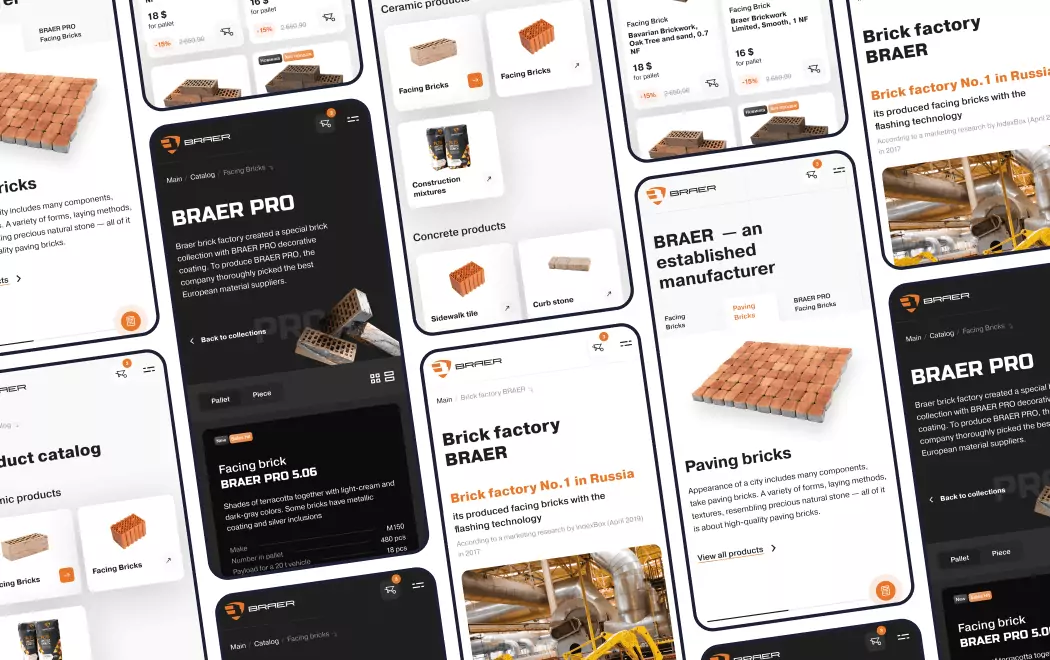
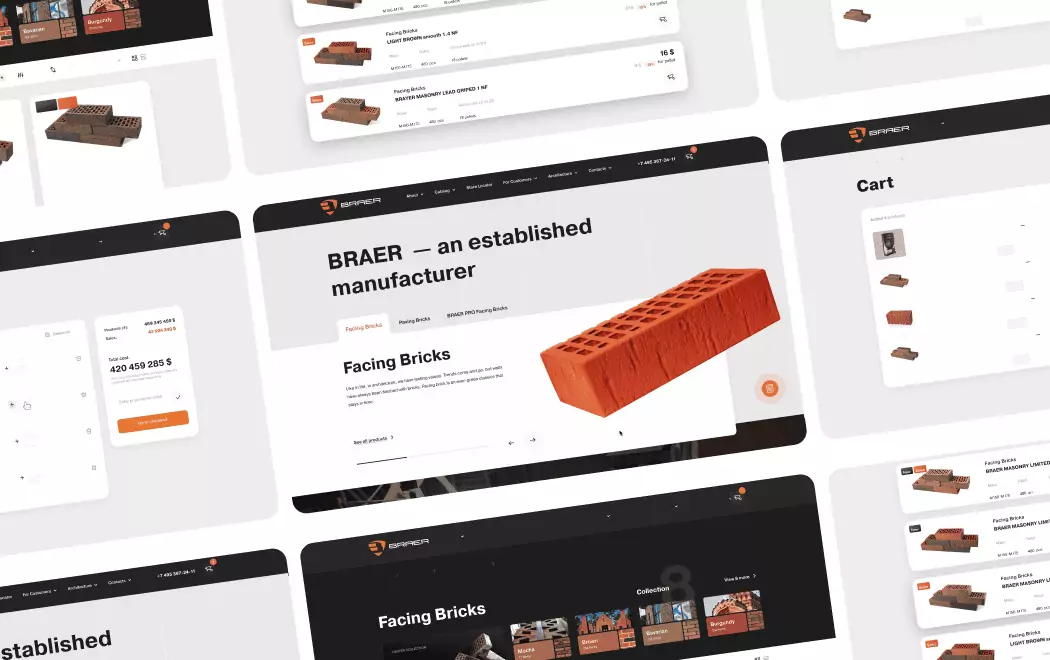
2. Toimi — Strategic Brand Development with Digital Integration
Website: toimi.pro
Office: Remote-first (strong SF presence)
Toimi serves seed to Series A startups needing complete brand development — from positioning strategy through visual identity to digital implementation — with particular strength in integrating brand systems into product design and web platforms.
SF market positioning: San Francisco startups often separate brand development from website/product design, creating disconnected experiences where marketing looks polished but product feels generic. Toimi integrates brand strategy with web development and product design, ensuring brand systems actually work in digital products rather than just marketing materials.
What Toimi builds for SF startups:
Complete brand systems from strategy through implementation: Most agencies deliver brand guidelines PDFs. Toimi implements brand systems in actual websites and products, ensuring visual identity works in real digital environments rather than just theoretical guidelines.
Brand positioning for competitive differentiation: SF startups face 30-50 competitors in every category. Toimi forces positioning clarity: who specifically you serve, what problem you solve uniquely, and why customers should choose you versus alternatives. This strategic work determines whether brands differentiate or blend into competitor noise.
Pitch deck design focused on fundraising outcomes: Understanding that pitch decks serve specific goals (securing partner meetings, explaining traction clearly, communicating opportunity visually), not just presenting information beautifully. Toimi's pitch decks optimize for investor decision-making processes.
Digital implementation maintaining brand consistency: Brand systems must work across marketing sites, product interfaces, sales collateral, and social media. Toimi ensures implementation consistency without requiring dedicated brand managers (which early-stage startups lack).
Strategic brand evolution as companies scale: Seed-stage brands that work for 5-person teams often fail at 50 people. Toimi designs brand systems that scale — adding complexity as companies grow rather than requiring complete rebrands every 18 months.
SF startup-specific capabilities:
- VC pitch deck design understanding investor evaluation criteria
- Enterprise B2B brand positioning for startups selling to Fortune 500
- Technical product branding helps developer tools differentiate
- Brand-to-product integration ensures consistency across experiences
- Startup-friendly pricing fitting pre-Series A budgets
Best for: Seed to Series A B2B SaaS, technical founders needing strategic guidance, startups requiring brand-product integration, companies wanting scalable systems versus one-time deliverables
Pricing: $30,000-$100,000 for complete brand development (positioning, identity, pitch deck, website)
Why strategic founders choose Toimi: Many SF agencies deliver beautiful brands but skip strategic thinking about positioning, differentiation, and how the brand supports business goals. Toimi starts with strategy — understanding market positioning, competitive landscape, target buyers — then designs brands serving those strategic objectives.
Understanding what drives branding costs helps startups budget realistically for strategic brand development versus superficial visual updates.
Honest limitations: Not the fastest (strategic approach adds 2-3 weeks upfront), not the cheapest (thorough positioning work costs money but prevents expensive pivots), not focused on consumer emotional branding (strength is enterprise B2B credibility).
Project structure: Strategy and positioning (2-3 weeks), visual identity development (3-4 weeks), pitch deck and collateral design (2-3 weeks), website/product design implementation (3-5 weeks). Total: 10-15 weeks for complete brand systems.
3. Ramotion — Brand and Product Design for Growing Companies
Website: ramotion.com
Office: San Francisco (Union Square)
Ramotion pairs brand strategy and visual identity with product design and web development — a full-service shop built around elevating brands past the earliest stage, with a remote-first team of 70+ across brand, motion, and product design.
What they build: Brand strategy and positioning, naming and verbal identity, logo and visual identity systems, web and app design, design systems, and motion design — spanning the full identity-to-product pipeline rather than brand assets alone.
Client base: Ramotion names Netflix, Stripe, Mozilla Firefox, Adobe, Okta, Salesforce, and Descript among its work, with a stated focus across B2B, SaaS, fintech, cybersecurity, and healthcare.
Best for: Companies past the earliest pre-seed stage wanting brand identity and product design handled by one team instead of separate vendors.
Honest limitations: Their own positioning targets growing companies, not pre-seed or bootstrap budgets — startups needing the leanest possible brand package should look elsewhere.
4. Collins — Series A+, Consumer Tech, Brand Storytelling
Website: wearecollins.com
Offices: San Francisco, New York
Founded: 2008
Collins specializes in consumer-facing tech brands requiring emotional connection and narrative storytelling — different from enterprise B2B credibility that other SF agencies emphasize.
Consumer tech focus: While most SF agencies serve B2B SaaS, Collins excels at consumer brands (fintech apps, health tech, consumer marketplaces, DTC products with tech components). Their strength is building brands people feel connected to emotionally, not just trust rationally.
Storytelling emphasis: Collins believes brand storytelling — why your company exists, what you stand for, how you improve users' lives — matters more for consumer brands than positioning matrices and competitive analysis dominating B2B branding.
What they build: Brand narratives explaining purpose beyond products, visual identities evoking emotional responses, consumer-facing content strategies, and brands that work across advertising, social media, and retail environments, if applicable.
Best for: Consumer fintech, health/wellness tech, marketplace platforms, DTC brands with tech components, Series A+ consumer-facing startups
Why consumer founders choose them: B2B-focused agencies build brands emphasizing credibility and trust. Consumer brands need personality, emotion, and storytelling. Collins delivers the latter, making them appropriate for consumer tech but less relevant for enterprise SaaS.
Honest limitations: Consumer focus means limited B2B enterprise credibility expertise. Pricing exceeds early-stage budgets. Process timelines (3-5 months) suit later-stage startups better than seed-stage urgency.
Startup Branding Costs: What You Actually Need at Each Stage
Branding needs evolve as startups scale. Understanding appropriate investment at each stage prevents overspending early or under-investing late.
Pre-Seed / Bootstrap ($5k-$25k)
What you actually need: Professional logo, basic color/font system, decent pitch deck, simple website. This baseline signals "we're serious" without expensive refinements that don't matter pre-revenue.
What to skip: Comprehensive brand strategy, extensive brand guidelines, professional photography, complex illustration systems, marketing collateral beyond pitch deck.
Appropriate agencies: Freelancers, international agencies offering lower rates
Common mistake: Spending $60k on "complete brand systems" when you're still validating product-market fit and will probably pivot positioning within 12 months.
Seed Stage ($25k-$60k)
What you need: Strategic positioning (who you serve, how you differentiate), professional visual identity that scales, investor-ready pitch deck, website converting visitors to sign-ups or demos.
What matters now: Brand helps fundraise (pitch deck design), recruit initial team (professional appearance), and close first enterprise customers (credibility signals). Strategic positioning determines whether you raise Series A or struggle explaining what you do.
Appropriate agencies: Toimi, boutique SF agencies
Budget allocation: 40% positioning/strategy, 30% visual identity, 20% pitch deck, 10% website/digital
Common mistake: Focusing on visual beauty without strategic clarity. Beautiful brands built on unclear positioning confuse investors and customers equally.
Series A ($60k-$150k)
What you need: Refined positioning based on traction, a comprehensive brand system supporting 20-50 person team, enterprise-grade sales collateral, product UI brand integration, and scalable marketing templates.
What matters now: Brand supports enterprise sales (credibility with procurement), recruiting (competing for talent against established companies), and category positioning (defining how the market perceives you).
Appropriate agencies: Toimi (for B2B), Collins (for consumer), Ramotion (brand plus product design), boutique specialists
Budget allocation: 30% positioning refinement, 25% visual identity evolution, 20% sales/marketing collateral, 25% digital implementation
Common mistake: Assuming seed-stage brand suffices. Companies that looked scrappy-but-credible at 5 people look unprofessional at 50 people selling to enterprises.
Series B+ ($150k-$400k+)
What you need: Sophisticated brand competing against incumbents, comprehensive design system, brand architecture if multiple products, complete asset library, brand training for growing teams.
What matters now: Brand differentiates versus established competitors, supports IPO preparation if relevant, works across international markets if expanding globally, and scales across product lines if diversifying.
Appropriate agencies: Pentagram, Collins, large SF agencies serving growth-stage companies
Budget allocation: 20% strategy/positioning evolution, 30% comprehensive design system, 25% multi-product brand architecture, 25% implementation and training
Common mistake: Trying to DIY brand at this stage. Series B+ companies need professional brand infrastructure that scales across hundreds of employees and millions in revenue.
Make everything as simple as possible, but not simpler.
— Albert Einstein, Theoretical physicist
Selection Guide: Matching Your Stage to the Right Agency
The startup stage determines appropriate branding investment more than any other factor. A pre-seed company spending $150k on branding wastes runway on sophistication that doesn't matter yet, while a Series B company using $20k DIY branding can't compete for enterprise deals or recruit senior talent. This framework matches stage-specific constraints to agencies equipped to handle them.
If you're pre-seed / bootstrapping:
Budget: Under $25k
Best choice: International agencies or freelancers
Focus: Professional basics fast
Skip: Comprehensive strategy work, extensive refinements
Why this approach works: Pre-seed companies need credible brands that don't embarrass founders in meetings but shouldn't invest heavily in refinements that don't matter pre-revenue. You're validating product-market fit and will probably pivot positioning within 12 months anyway. Professional logo, decent pitch deck, and simple website signal "we're serious professionals" without burning runway on comprehensive brand systems you'll outgrow or pivot away from. Save capital for product development and customer acquisition — your brand needs to be good enough, not perfect.
If you're raising Seed or Series A:
Budget: $25k-$80k
Best choice: Toimi
Focus: Fundraising clarity, positioning strategy
Priority: Pitch deck design, strategic positioning
Why investment increases here: Seed to Series A is when the brand significantly impacts fundraising success, enterprise customer acquisition, and early team recruiting. VCs evaluate hundreds of similar opportunities — your brand has 90 seconds to communicate a credible opportunity versus a confusing concept. Strategic positioning clarity (who you serve, how you differentiate, why you win) determines whether investors understand your market opportunity or dismiss you as unclear. Pitch deck design quality correlates with fundraising success because busy investors gravitate toward clearly communicated opportunities over confusing ones requiring work to understand. This $30k-$80k investment often determines whether you raise successfully or run out of runway.
If you're Series A scaling to Series B:
Best choices: Toimi, Collins, Ramotion
Focus: Enterprise credibility, scalable systems
Priority: Sales collateral, product brand integration
Why sophistication matters now: At 20-50 employees, selling to Fortune 500 companies, your seed-stage brand that worked for a scrappy 5-person team now undermines enterprise credibility. Procurement officers evaluate whether you're stable vendors or risky startups that might disappear. Professional brand systems, comprehensive design guidelines, enterprise-grade sales collateral, product UI integration, and maintaining consistency signal stability and professionalism that close six-figure enterprise deals. You're also recruiting experienced VPs who evaluate whether your company is professionally managed or a chaotic mess. Brand quality significantly impacts these enterprise and recruiting outcomes, justifying a larger investment than earlier stages.
If you're Series B+ or preparing for an IPO:
Budget: $150k-$400k+
Best choice: Pentagram, Collins
Focus: Sophisticated differentiation, comprehensive systems
Priority: Competing against incumbents, scaling globally
Why premium investment becomes necessary: Series B+ companies face different brand challenges than earlier stages. You're no longer convincing VCs you're credible — you're convincing enterprises to replace established vendors, recruiting senior executives from FAANG companies, and potentially preparing for public markets or international expansion. Brand sophistication must match these elevated requirements. You need comprehensive design systems supporting hundreds of employees, brand architecture managing multiple products, complete asset libraries, and brand training ensuring consistency across growing teams. At this scale, brand quality significantly impacts enterprise sales velocity, recruiting success rates, and market valuation — justifying premium investments that would waste money at earlier stages.
Questions to Ask Before Signing
"Show me brands you've built for startups at my exact stage and funding level"
Agencies serving Series C companies have different portfolios than those serving pre-seed. Demand relevant examples proving experience with your constraints.
"What happens if we pivot positioning in 6 months?"
Early-stage startups often pivot. Understand whether agencies build flexibility into systems or require expensive rework when strategies evolve.
"How do you measure branding success for startups?"
Good agencies define success: fundraising close rates, enterprise sales conversion, recruiting offer acceptance, or brand awareness in target markets. Vague answers suggest agencies don't track whether work delivers results.
"What's your process for pitch deck design specifically?"
If fundraising matters, pitch deck design determines outcomes. Agencies should explain how they optimize decks for investor decision-making, not just presentation beauty.
"Can you show brand systems you've built that actually scaled with companies?"
Request examples of brands that worked with 5 people and still work with 50+ people without complete rebrands. This proves agencies' design for scale, not just the current stage.
Want to discuss your project?
Share your vision with us, and we'll reach out soon to explore the details and bring your idea to life.

Summary
San Francisco startup branding serves specific goals: raising capital, closing enterprise customers, and recruiting talent. Match your stage to appropriate investment: pre-seed ($15k-$25k via freelancers or international agencies), seed-Series A (Toimi), or Series B+ ($150k-$400k with Pentagram or Collins). Growing past seed with brand and product design in one team is Ramotion's niche.
The right choice depends on what brand needs to accomplish now. Pre-seed companies waste money on sophistication they don't need. Series B companies using budget solutions can't compete for enterprise deals or recruit senior talent.
Start by assessing your stage, budget, and primary goal, fundraising, enterprise sales, or market positioning. Then choose agencies with proven experience at your stage. San Francisco startups invest $15k-$400k depending on complexity, but matching agency capabilities to actual needs matters more than portfolio aesthetics or agency prestige.
Recommended reading 🤓
"Positioning: The Battle for Your Mind", Al Ries and Jack Trout
The foundational text on competitive positioning. Essential for startup founders who need to understand how brands occupy territory in customers' minds, directly applicable to differentiating in crowded SF tech markets.
"Obviously Awesome", April Dunford
Practical guide to product positioning for B2B startups. Written by a former tech executive who positioned multiple startups successfully. More actionable than academic positioning theory.
"The 22 Immutable Laws of Branding", Al Ries and Laura Ries
Explains fundamental principles of brand building with examples from tech and consumer companies. Short, practical, and directly applicable to startup brand decisions.
Most San Francisco founders confuse 'looking like a startup' with 'looking credible to investors.' They design brands that impress other founders at demo day but confuse enterprise buyers and worry VCs who've seen this aesthetic 500 times. The agencies that succeed in SF understand that seed-stage branding serves different goals than Series A branding — and founders who nail this raise faster, hire better talent, and close enterprise deals their competitors with prettier logos can't access.